DESIGNED BY RIDERS, FOR RIDERS


7 Small But Critical Details That Increase Training Performance
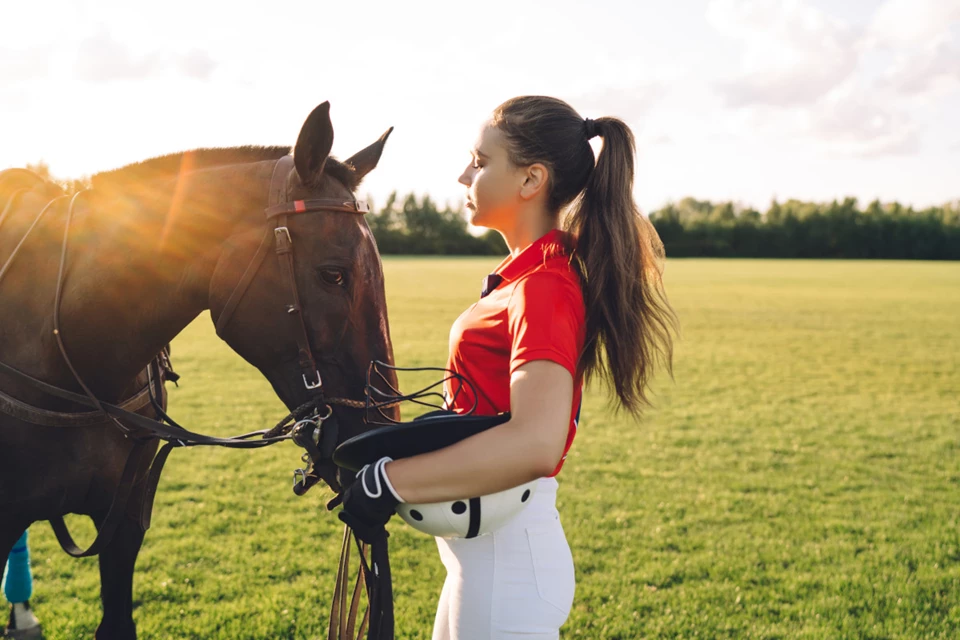
In equestrianism, progress isn't just measured by the hours spent in the saddle; it’s measured by how efficiently those hours are managed. Most often, great success comes from the sum of small details that are easily overlooked. The "1% rule" applies perfectly to riding: a slight gain in comfort or a minor acceleration in your preparation process can make a massive difference in the arena.
Here are 7 critical details practiced by professional riders to take your training efficiency to the next level:
1. Mental Preparation Through Equipment Organization
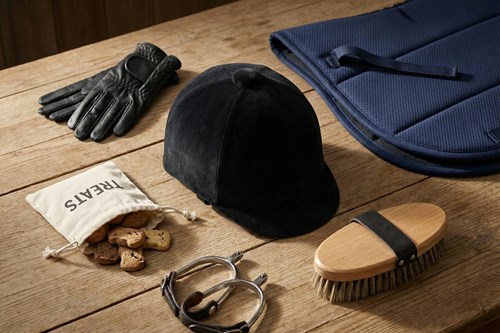
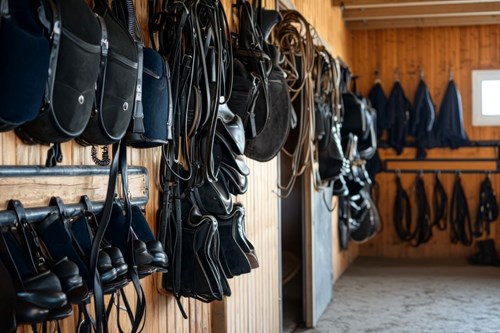
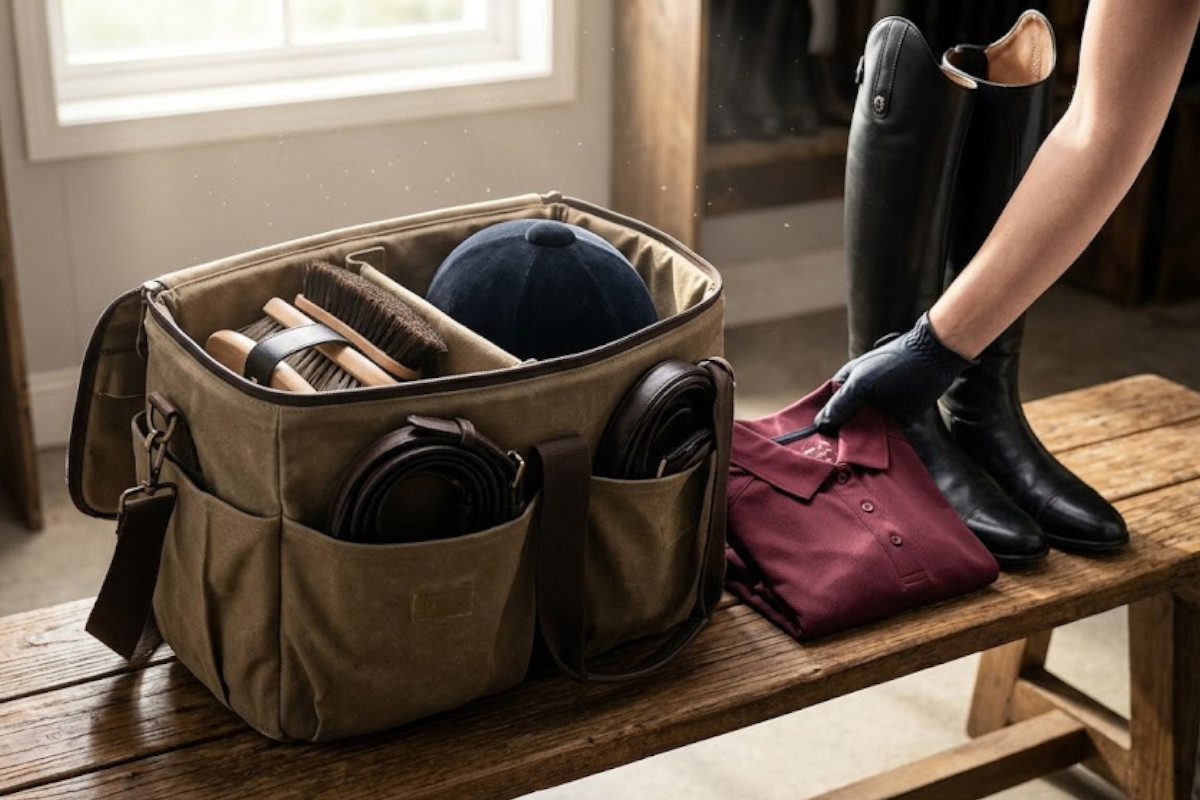
If you are still searching for a lost spur or an uncleaned bridle when your training hour arrives, you have already lost your mental focus before even mounting your horse. A cluttered gear locker increases stress levels.
-
The Strategy: Categorize your equipment according to the order of use. A proper layout shortens preparation time and increases the quality time you spend with your horse. For inspiration, check out our guide: Stable Bag & Equipment Organization: Strategic Packing Plan for Training Days.
2. Skin Compatibility with "Multi-Purpose Soft" Technology
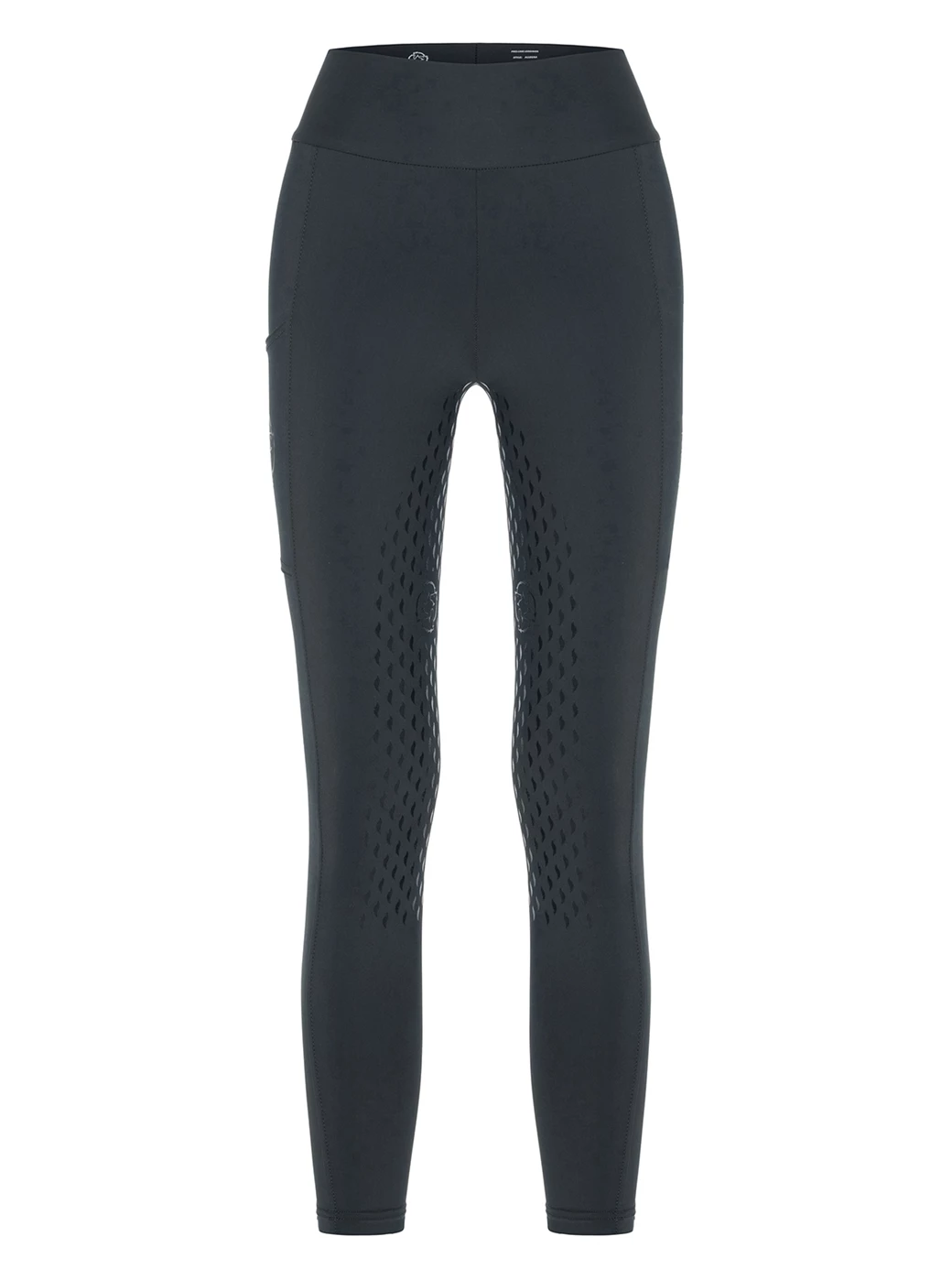
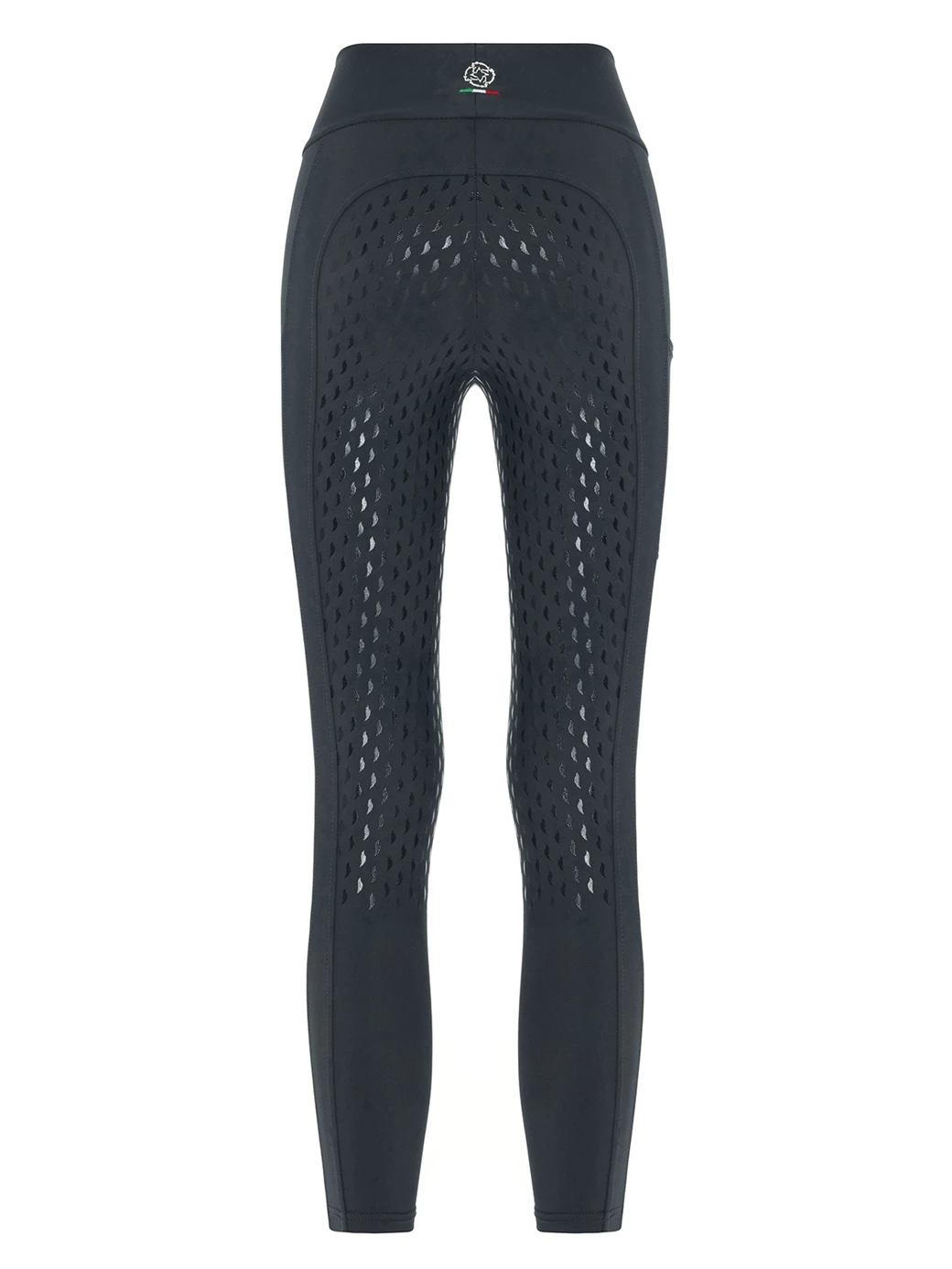
The biggest distraction for a rider during training is irritating seams or stiff, non-breathable fabrics. "Softness" isn't just about comfort; it means freedom of movement.
-
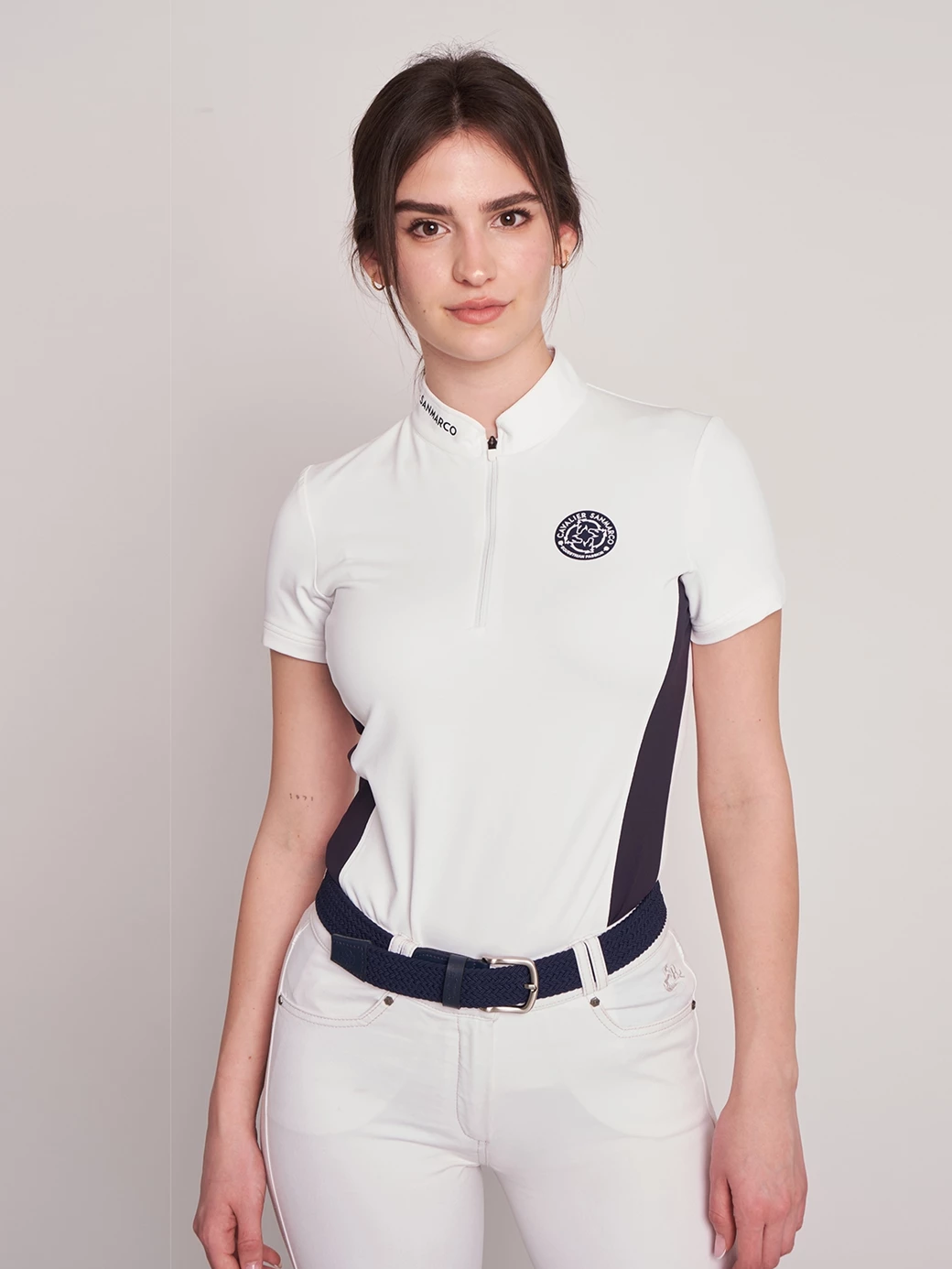
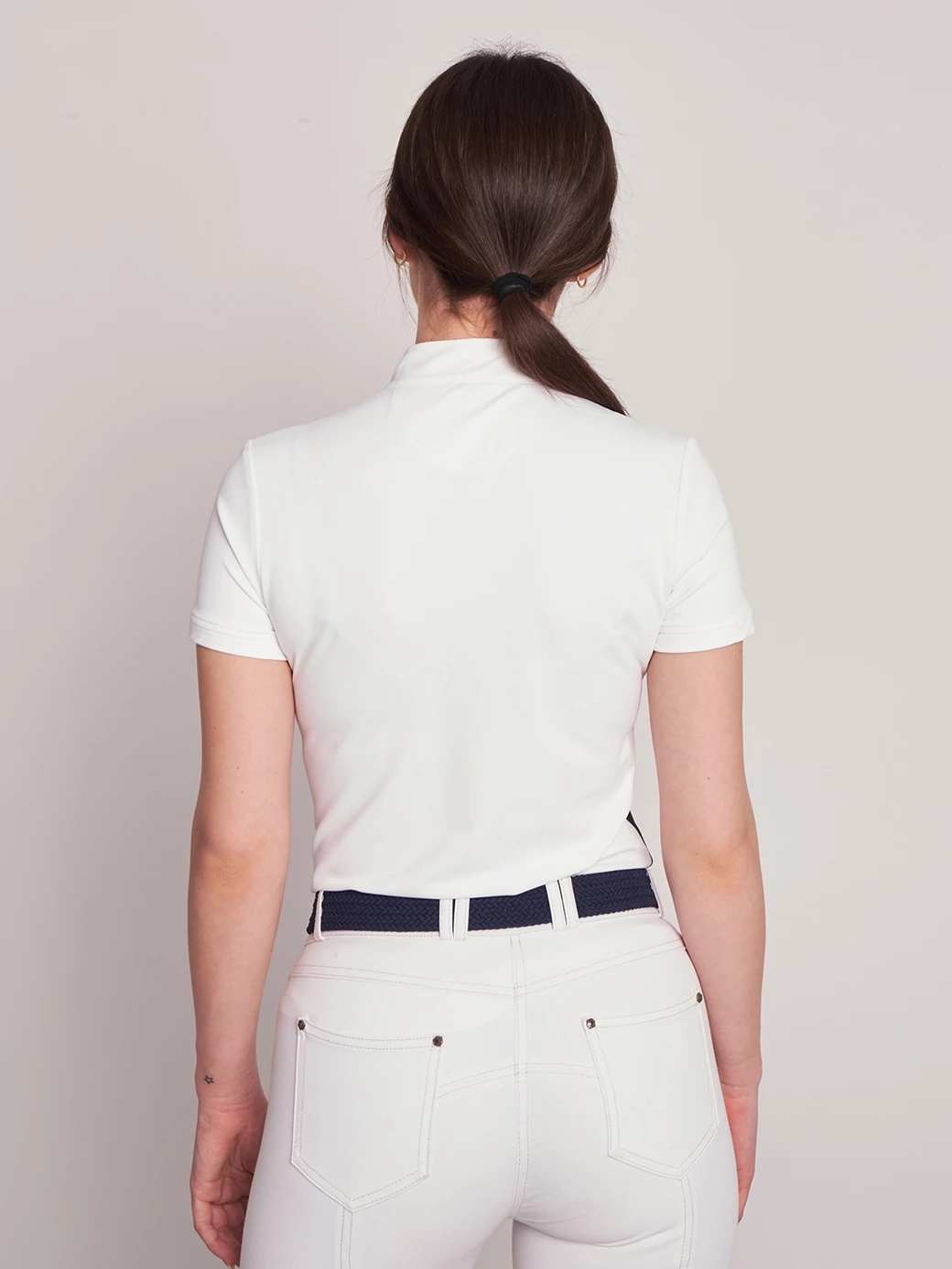
The Solution: Multi-purpose technical fabrics stretch with the body, making you forget you’re even wearing them.
-
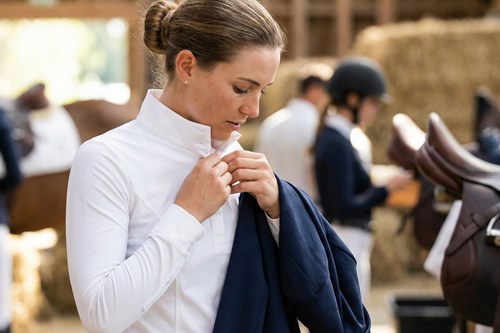
For women: Women's Equestrian Multi-Purpose Soft Tech Polos.
-
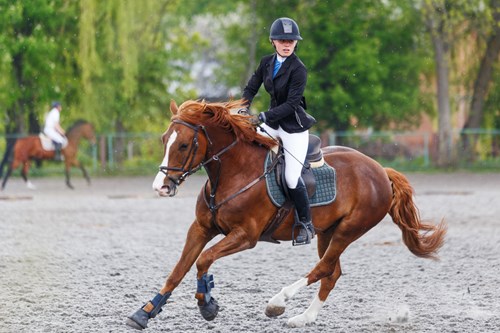
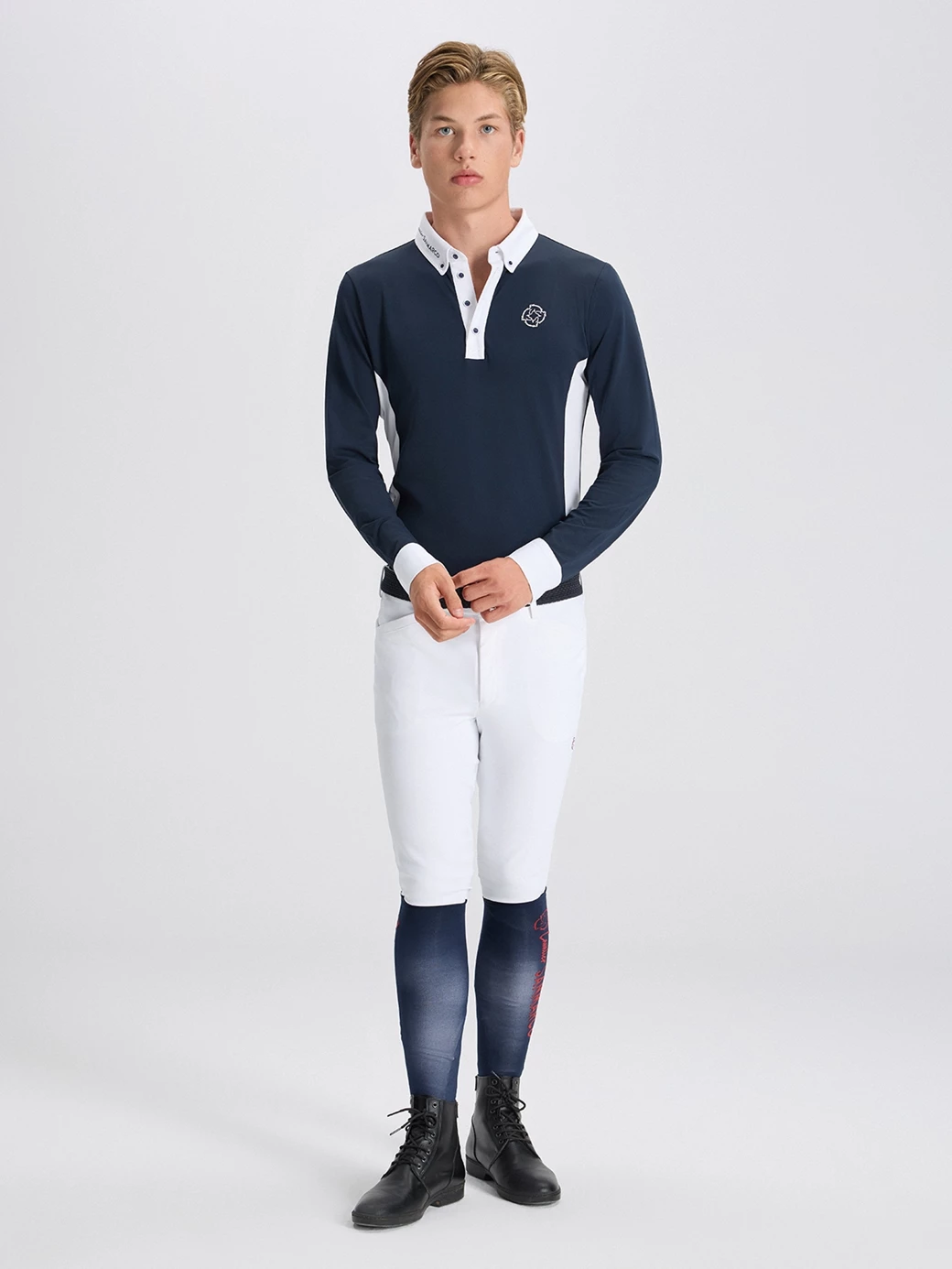
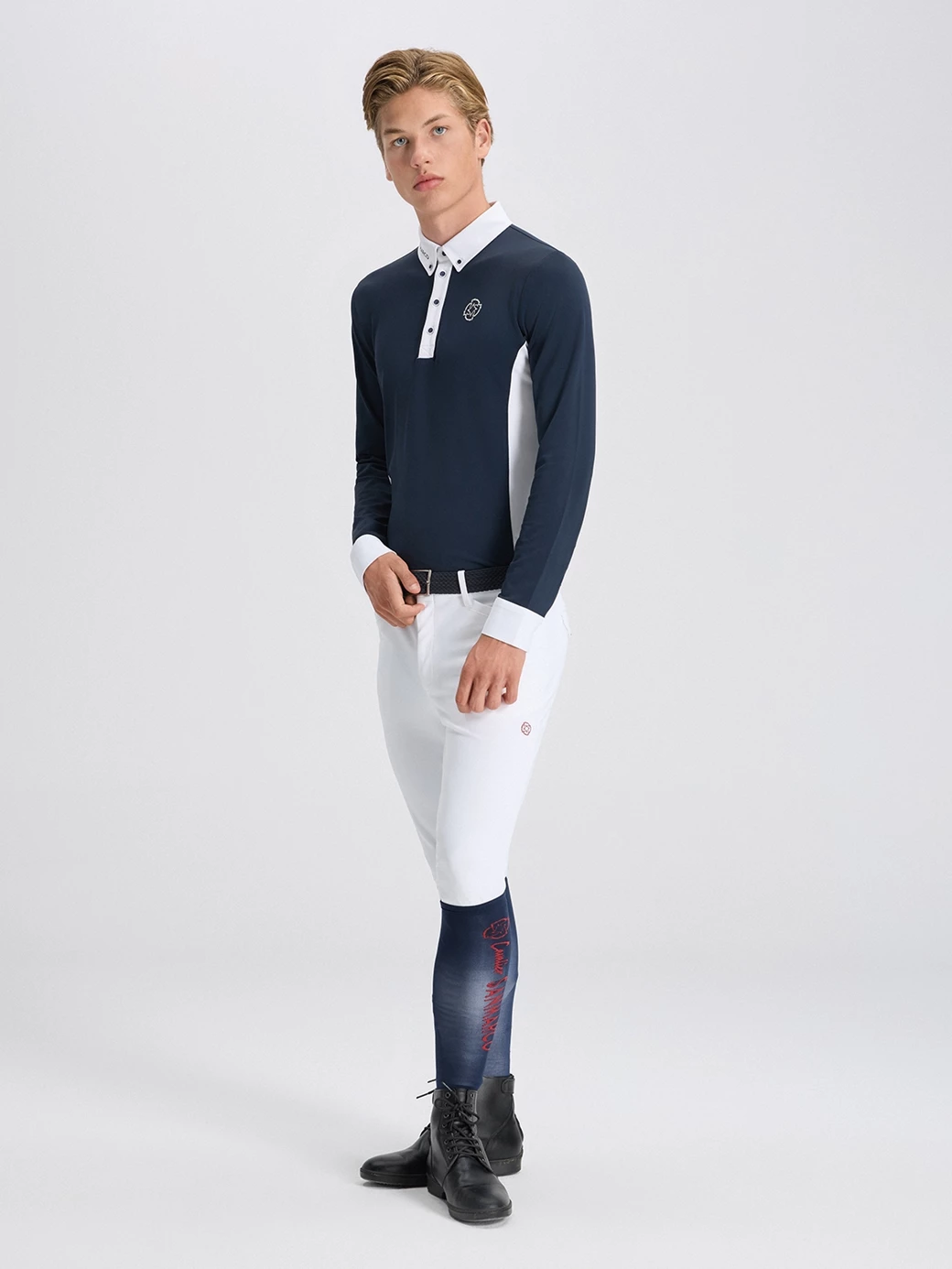
For young talents: Junior Equestrian Multi-Purpose Soft Tech Polos.
3. Strategic Top Selection: Polo or T-shirt?
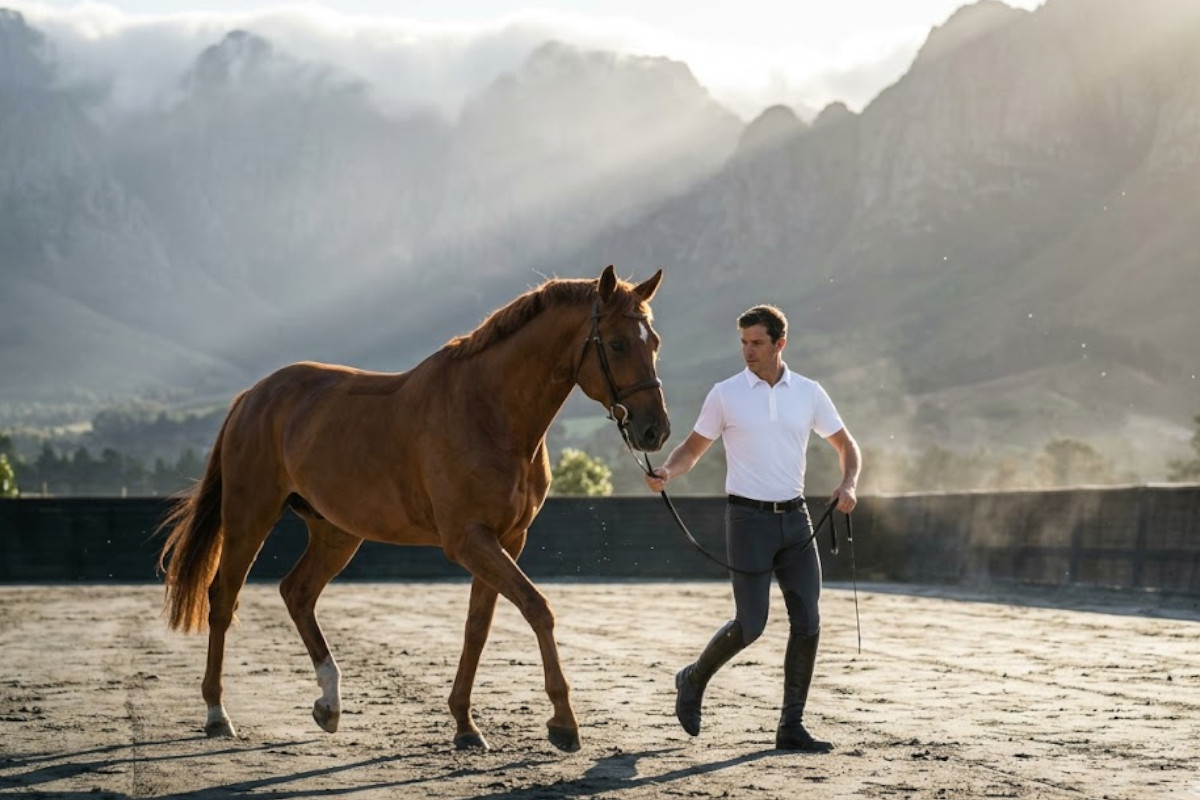
The humidity, wind speed, and the discipline you are working on (dressage, jumping, etc.) should determine the form of the clothing you choose. Polo-collared models generally offer more structured support, while technical T-shirts provide maximum lightness.
-
Critical Decision: Do you know which one to prefer for which session? For a detailed analysis, read: Equestrian Training Top Choice: Technical Polo vs. T-Shirt? The Strategic Choice That Determines Your Performance.
4. Biomechanical Warm-up (For the Rider)
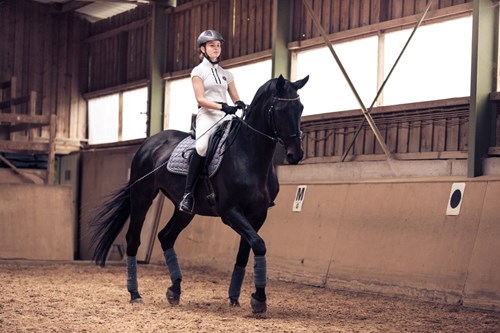
Warming up the horse is not enough. The rider must also open up their hip joints and shoulders. A stiff rider restricts the horse's movement.
-
Tip: Five minutes of light stretching before mounting allows you to sit deeper and more balanced in the saddle.
5. Hydration and Electrolyte Balance
The body loses much more water than noticed during a ride. Dehydration slows down your reaction time and scatters your focus.
-
Suggestion: Don't forget to consume water in small sips before and immediately after training.
6. Rein Contact and Glove Fit
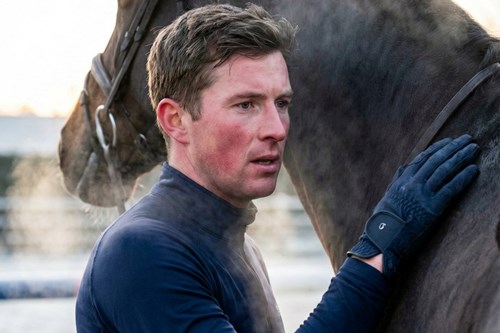
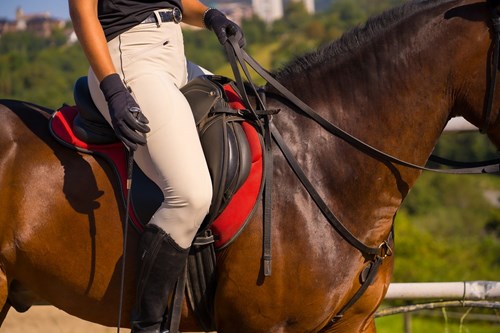
The "silent dialogue" you establish through the reins depends on the comfort of your hands. A glove that bunches up in the palm or slips causes cues to be transmitted incorrectly to the horse. Technical fabric gloves in the correct size preserve this sensitive communication.
7. Post-Training Evaluation
Performance is not just physical. While checking your horse’s condition after dismounting, noting the best moments and areas for improvement from that day’s work determines the plan for the next training session.
Summary: Performance is not just about talent; it’s about the quality of preparation. Correct technical apparel and a regular equipment plan transform you from just a "rider" into an "athlete" in harmony with their horse.