DESIGNED BY RIDERS, FOR RIDERS


To Clip or Not to Clip? A Practical Winter Coat Management Guide for Every Type of Rider
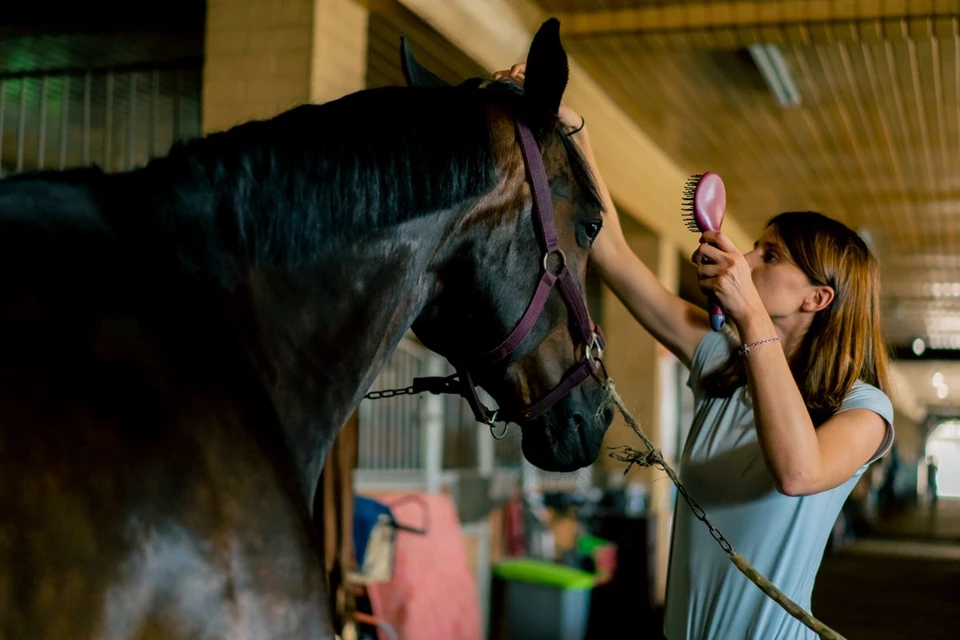
Before we dive into the ins and outs of clipping, consider this: No matter how well you care for your horse, no matter how good you are at reading the signs — some winters will inevitably leave you feeling a little uncertain. This article is designed to offer guidance for all types of riders — hobbyists, competitors, stable managers, parents with pony-obsessed children and the quiet groom who always seems to know exactly what each horse likes — as you try to figure out what's going to work best for your horse this winter. We'll provide clarity... or at least a few fewer doubts.
Why Do Horses Grow a Winter Coat?: The Natural Insulating System
Your horse grows a winter coat based on daylight, not temperature. When daylight decreases, the body responds by producing longer, thicker hairs. These hairs catch warm air and hold it close to the skin — creating an amazing natural insulator. Field studies have shown that unclipped horses are able to maintain relatively stable body temperatures in environments as low as -10 degrees Celsius (give or take a couple of degrees). That's remarkable.
However, this great system of natural insulation comes with a price tag: Moisture. More specifically, Sweat.
When a horse works in a full coat, sweat collects between the hair fibers. When that horse stops working, that sweat rapidly cools off. In other words, the horse is suddenly facing a danger instead of an advantage.
That's where clipping takes center stage.
Why Clipping Works: Sweat, Time and Post-Ride Recovery
If your horse works hard enough to sweat consistently, a full coat of hair can become a problem. Think about it: Your ride is finished, it's getting darker, the barn aisle is freezing and your horse's chest is dripping with water. You towel him down, you walk with him, you layer him, you wait... and he's still damp.
Clipping converts a 45-minute drying ordeal into a 10-minute process.
Typically, the riders who benefit most from clipping include:
- Horses being schooled regularly or competing
- Horses that sweat easily (e.g., Thoroughbreds, Warmbloods and many Ponies)
- Older horses that have difficulty regulating their temperature
- Horses with sensitive skin that reacts to dampness
- Horses participating in structured training programs with predictable workout patterns
It's not about making the horse "look more athletic." It's about stopping post-exercise chilling and supporting a horse's ability to perform consistently.
But...
There are always pros and cons.
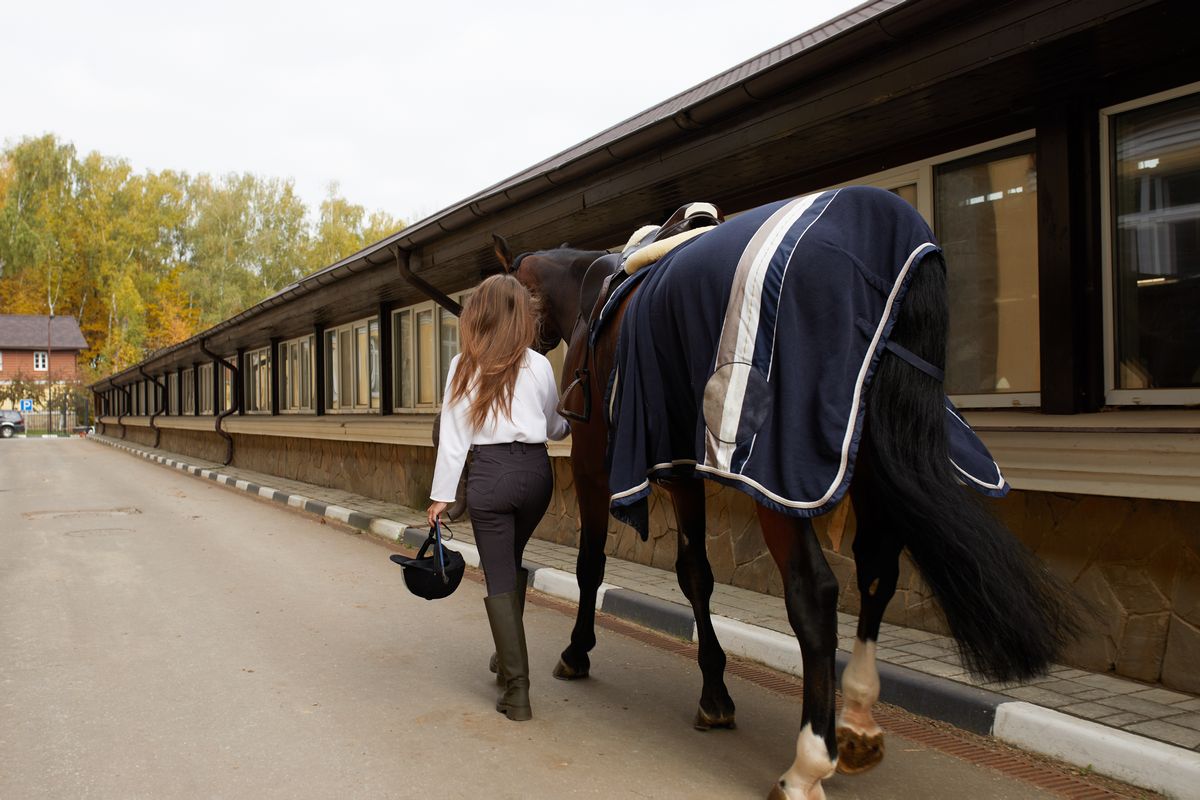
The Cons of Clipping (Just Because They Exist)
Clipping removes the natural insulating qualities of your horse's coat. That means you're going to have to compensate by providing additional insulation.
Clipped horses will require:
- Additional blankets
- More frequent inspections
- Cautious selection of turn-out environments
- Draft-free stabling
- Regular grooming
- Increased awareness: Clipped horses can sweat on a warm day. That sweating causes the same cooling risks that you were trying to prevent by clipping in the first place.
Additionally, Clipped Horses May Develop Personality Issues.
Some horses won't even notice that you've clipped them. Other horses will hear those clippers and dramatically toss their head as if you're asking them to recite Hamlet.
It happens.
Selecting the Right Clip Style: Understanding Why You're Doing This
Clip styles exist because each horse performs differently. Each rider also performs differently. Fortunately, there is a logic to the madness.
Bib Clip (Minimum)
- Removes sweat-prone areas of the chest.
- Suitable for: Light riding, hacking, young ponies.
- A gentle introduction to clipping.
Irish Clip
- Trims the sweat-prone areas along the underside and shoulders.
- Ideal for: Horses performing moderate amounts of work, warm up quickly.
- Keeps the back and hindquarters insulated.
Blanket Clip
- Most of the body remains covered; however, significant sweat areas are trimmed.
- Ideal for: Sport horses working multiple times a week.
- Offers a balance between warmth and practicality.
Hunter Clip
- Everything is trimmed except the saddle area and legs.
- Classic choice for: Horses in heavy training.
- Horses remain drier and cool down faster.
Full Clip
- Everything is removed.
- Best suited for: Competition horses, Indoor Training Programs, Heavy Sweaters.
- Requires the most careful attention to blanketing.
Many horses thrive with a full clip. Many horses feel as though they've lost their sense of pride. You'll know which type of horse you have quickly.
If You Prefer a Natural Coat: Things to Consider
Many riders choose to forego clipping — sometimes due to personal preference, sometimes because the horse doesn't work heavily and sometimes because the climate simply doesn't warrant it.
If you decide to keep the natural coat:
- Plan longer cool-downs.
- Use a sweat sheet diligently.
- Avoid extreme temperature fluctuations indoors/outdoors.
- Ensure adequate ventilation in your stables (no drafts).
- Pay close attention to the level of dampness present underneath the rugs.
A natural coat is "more work" in terms of attention, but it is simply different work.
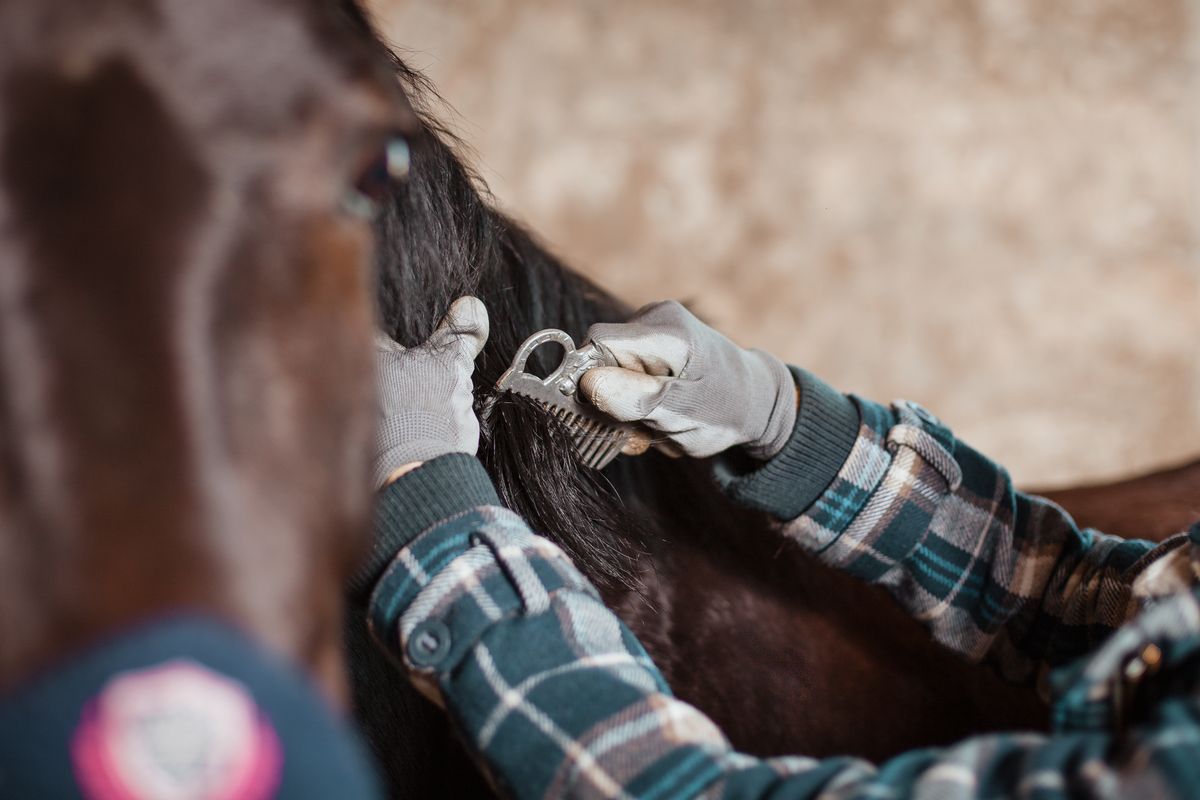
Horses That Should Never Be Clipped (or Should Only Be Clipped Under Certain Circumstances)
Certain categories tend to fare worse with clipping:
- Horses with compromised immune systems
- Horses that have trouble maintaining their weight
- Horses suffering from skin problems associated with winter
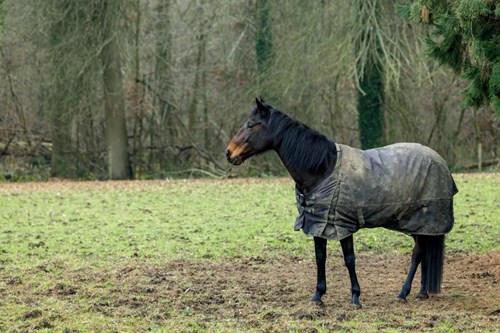
- Horses that live 24/7 outside in harsh climates
- Horses lightly worked and rarely sweat
- Young or inexperienced ponies that may develop a fear-based reaction to the clippers
In some cases, the best thing to do is to simply allow the horse to be itself during the winter months.
Logic for Blankets: What to Use and When
Blanketing can be confusing for many riders. Some over-blanket. Some under-blanket. Some... Change rugs five times a day (we all know one).
Here's the breakdown in simple terms.
For Clipped Horses
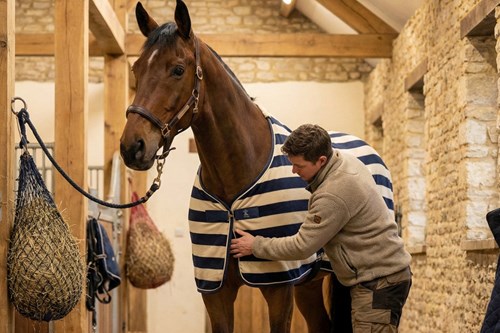
- Stable rugs: Medium to heavy, depending on the temperature
- Turnout rugs: Waterproof and breathable with neck openings available
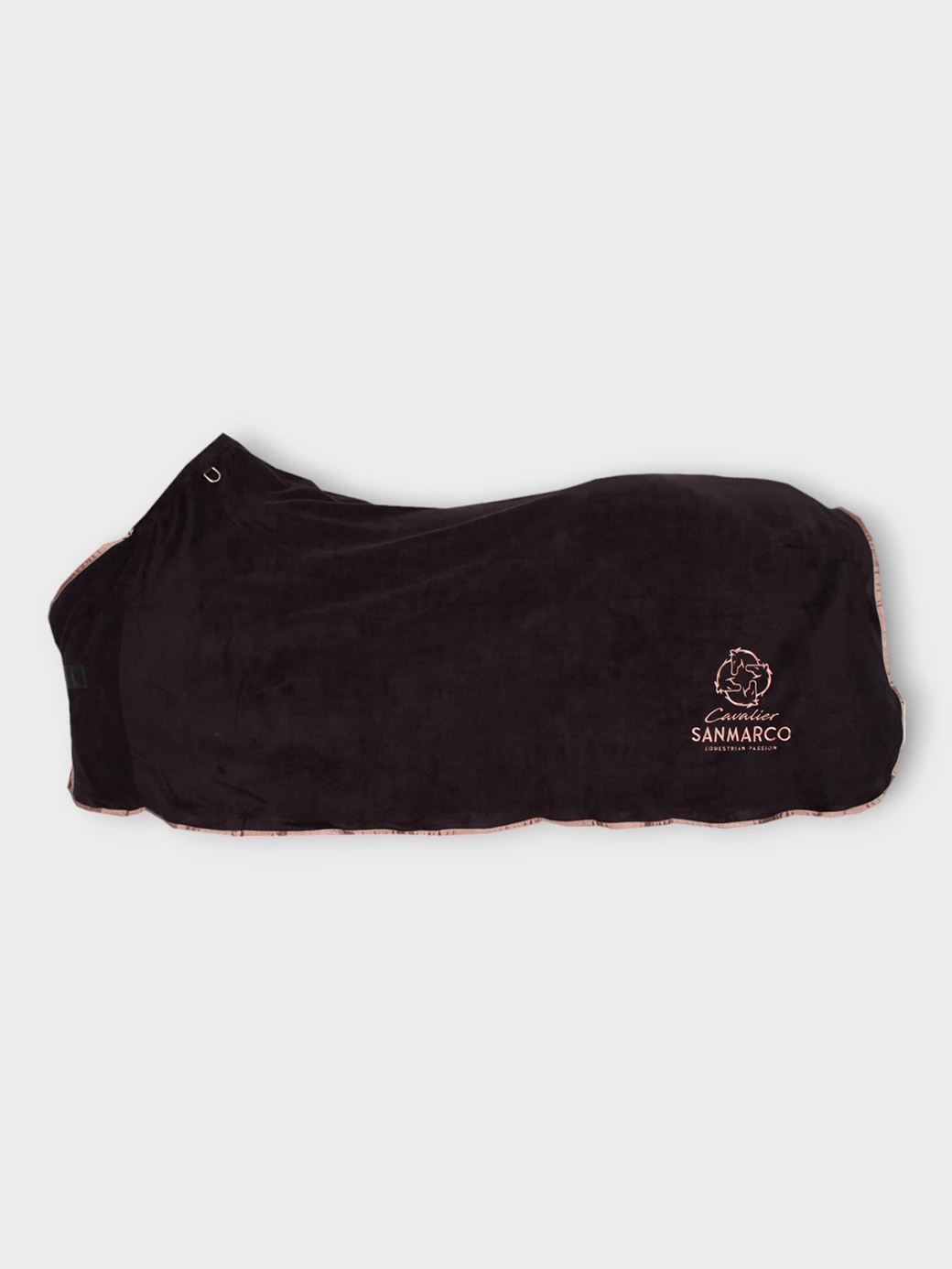
- Coolers and fleece: Absolutely necessary for post-exercise use
- Neck covers: Optional for full or Hunter Clips
You don't want a clipped horse to wear a winter coat constructed of lies. You want a real insulator.
For Unclipped Horses
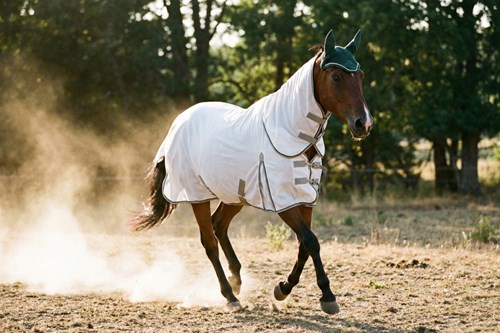
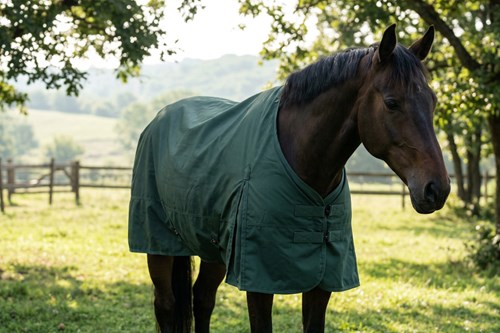
- Lightweight turnout rugs: Wind/rain protection
- No-fill rain sheets: Protects against wetness, avoids overheating
- Wicking coolers: Help with extended cool-downs
- Shoulder guards: Optional, but useful for horses prone to rubbing
Generally speaking, unclipped horses require significantly less rugging and the greatest risk of injury is overheating rather than hypothermia.
Frequently Made Errors in Managing Horses' Winter Coats (We Have All Committed At Least One)
Here is the slightly humbling list:
- Clipping too early (October coats often grow back twice as dense as before)
- Clipping too late (January full clips... difficult to achieve)
- Using a single rug for all temperatures
- Permitting a damp horse to stand still too soon
- Ignoring sweat accumulation under rugs
- Assuming "cold air" = "cold horse"
- Forgetting that ponies often retain heat more so than horses
Winter is an opportunity for all to exhibit their internal critics. However, managing coats is more art than science.
Post-Care After Clipping: Little Things That Make a World of Difference
After you clip your horse, his skin is more vulnerable. Here are a few tips:
- Groom gently with soft-bristled brushes to avoid irritating the skin
- Keep your horse warm for 24 hours after clipping
- Avoid washing with strong shampoos
- Check for any clipper line irritation, scurf or minor cuts
- Hydrate the coat with light grooming sprays
- Keep clippers clean and sharp for the next clipping.
A freshly clipped horse appears neat and athletic, but the comfort behind that appearance requires constant attention.
FAQ: Horse Clipping and Winter Coat Management
How Often Should I Clip My Horse?
Most horses require 1-3 clips per winter. Horses involved in high-level training may require a fourth.
Will My Horse Immediately Become Cold After Being Clipped?
Not instantly, but once clipped, a horse loses heat more quickly. Proper use of rug combinations is crucial.
What Is the Fastest Way to Dry a Sweaty Unclipped Horse?
- A breathable sweat sheet
- Hand-walk the horse
- Provide a dry, draft-free area.
My Horse Has a Fear of the Sound of Clippers. What Can I Do?
- Desensitize your horse. Gradually expose the horse to the sound of the clippers from a safe distance, then touch the horse with the clippers on a non-sensitive area. Repetition and patience will eventually help.
One Final Thought Before You Decide...
At some point you're standing near your horse running your hand through the fluff of the winter coat and you simply know. Either clipping makes sense this year, or it doesn't. Whatever the case, the long winter ahead will provide ample opportunity for your horse to be happy, comfortable and enjoying the season with you.
So... what is your intuition telling you today?