DESIGNED BY RIDERS, FOR RIDERS


Equestrian Riding and Clothing: Which Material Should You Choose?

Equestrian Attire: Which Material Should You Choose?
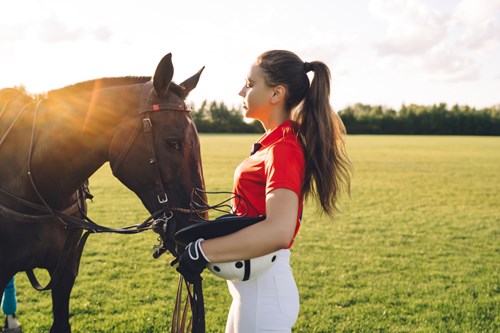
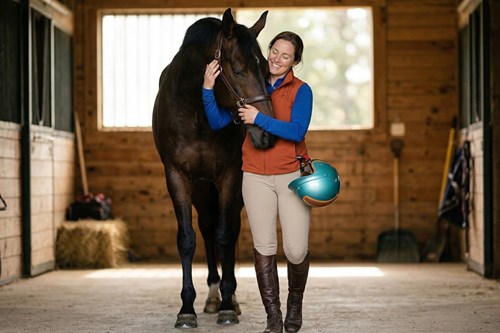
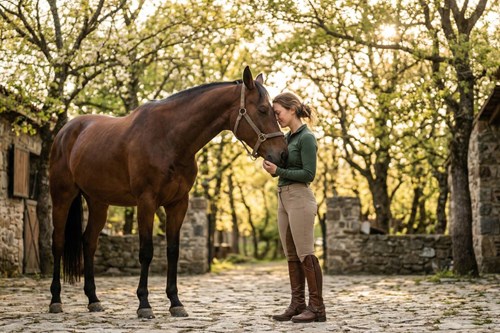
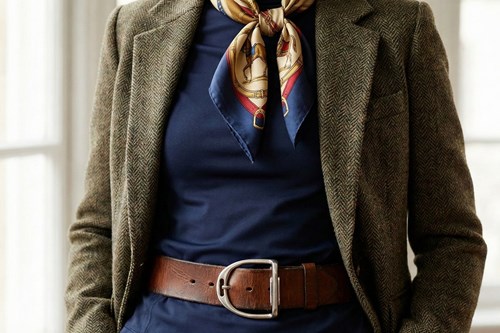
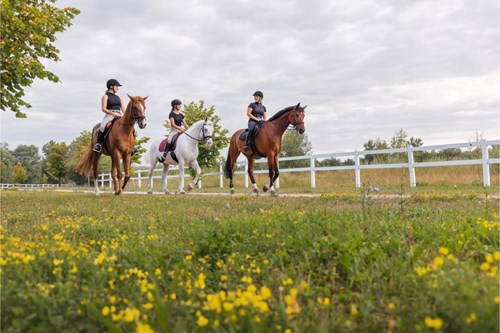
There's something quiet and poetic about wearing riding clothes. They're not merely "things you put on before going to a lesson"; they represent stability, comfort and beauty that you take from the stable to the field and back again to your home. If you've ever seen a rider reach down to adjust his/her gloves or pull up her/his boot zipper with that small familiar gesture, then you'll understand what I am talking about.
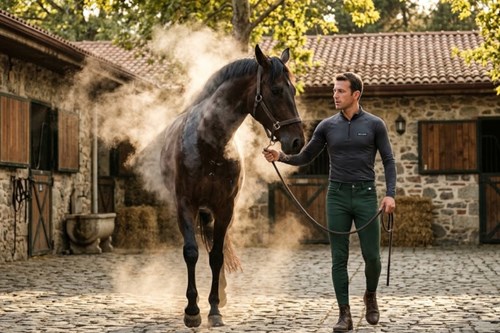
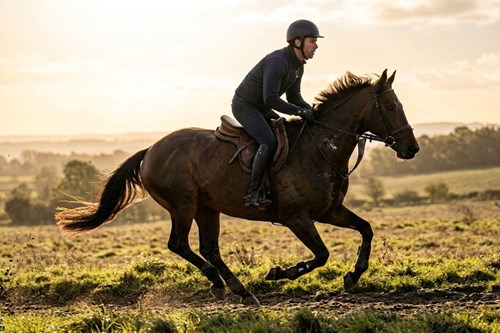
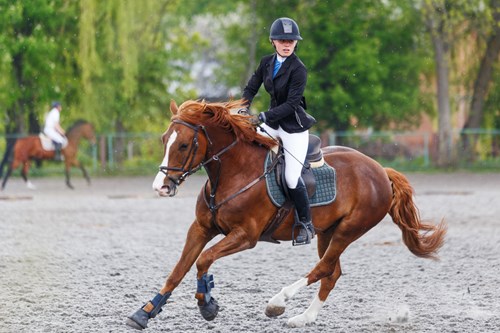
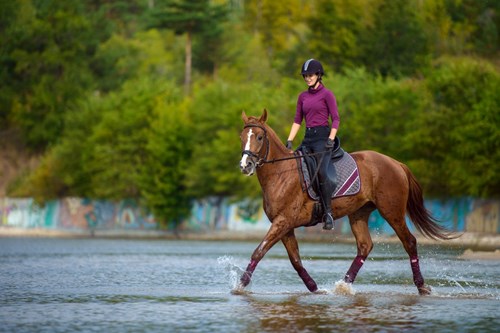
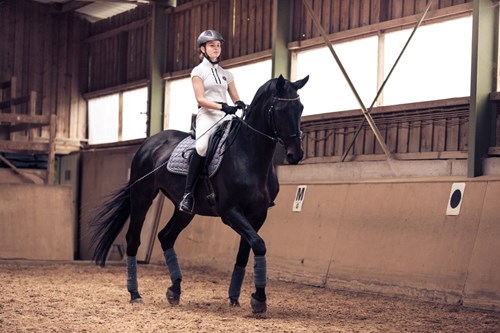
Horse riding is a number of different things at the same time: part sport, part artistry, and part partnership. So, the clothes that support this type of activity have to be able to reflect all of that—beauty, function, discipline, and some level of spirit/heart too. We believe that beautiful style only happens when performance and style share the same space...even though the process can get a little messy.
Qualities of Riding Clothes That Are Different Than Regular Clothes
Why is riding clothing not "just clothing"?
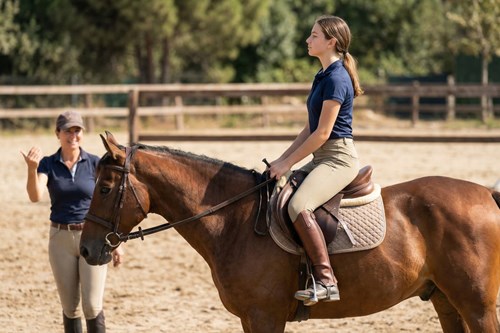
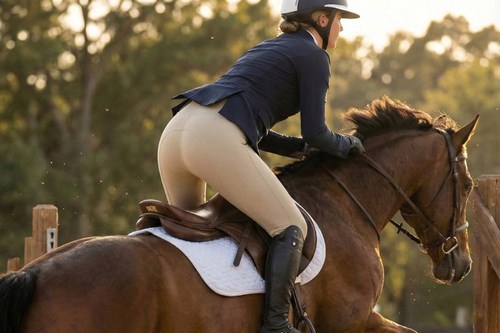
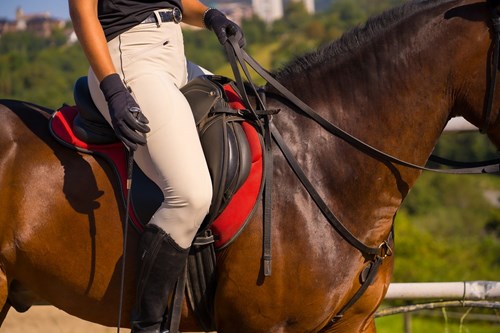
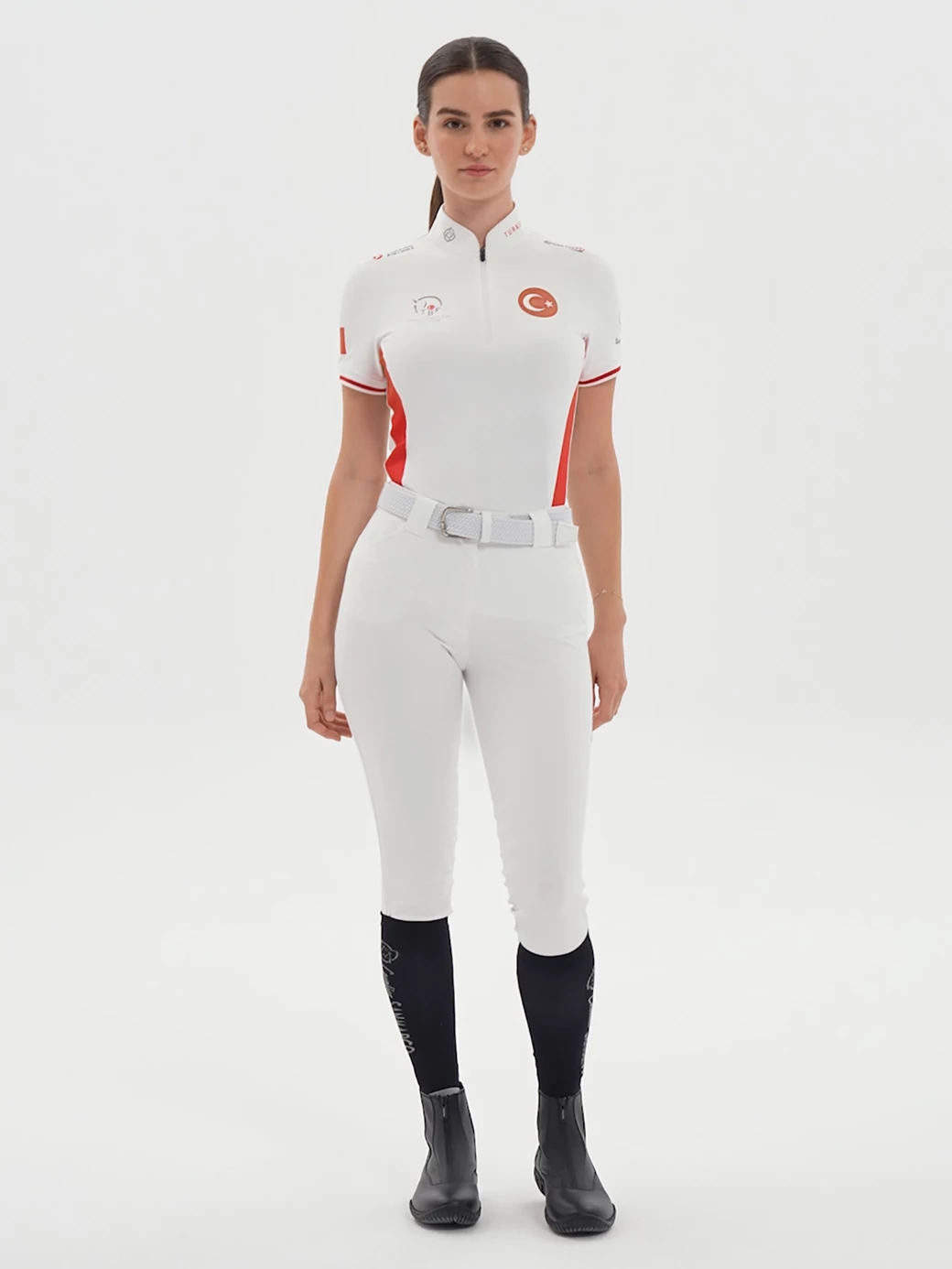
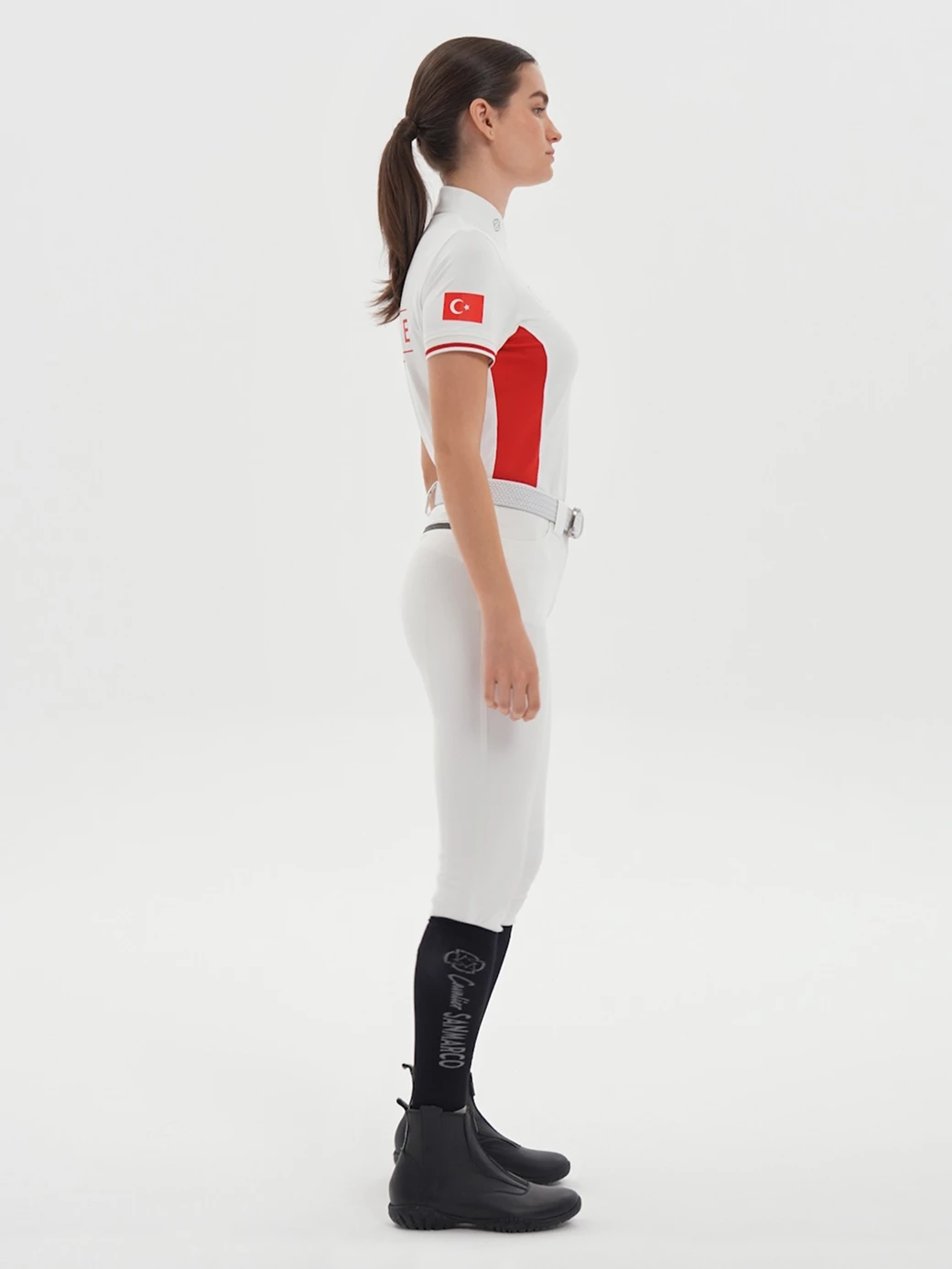
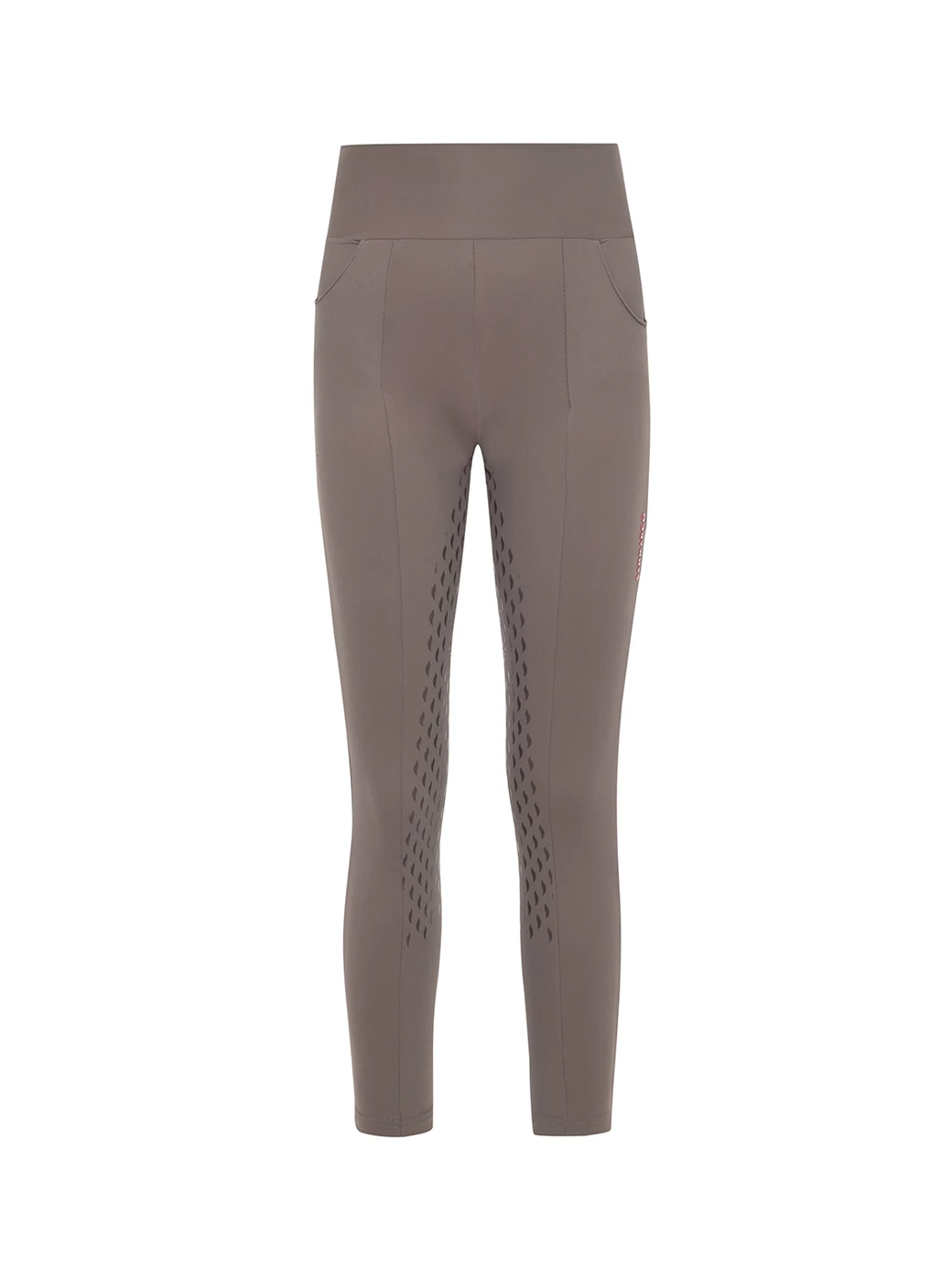
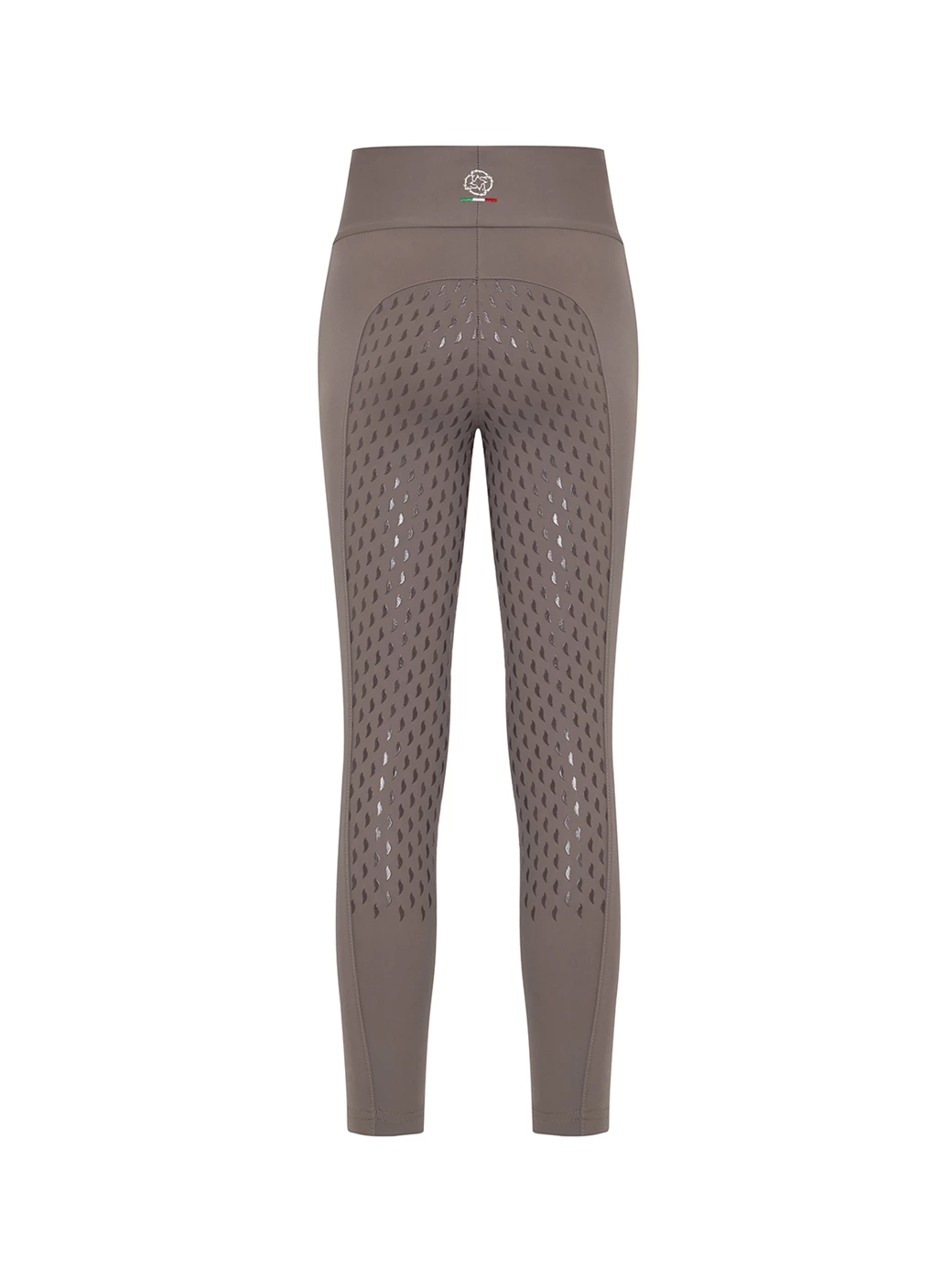
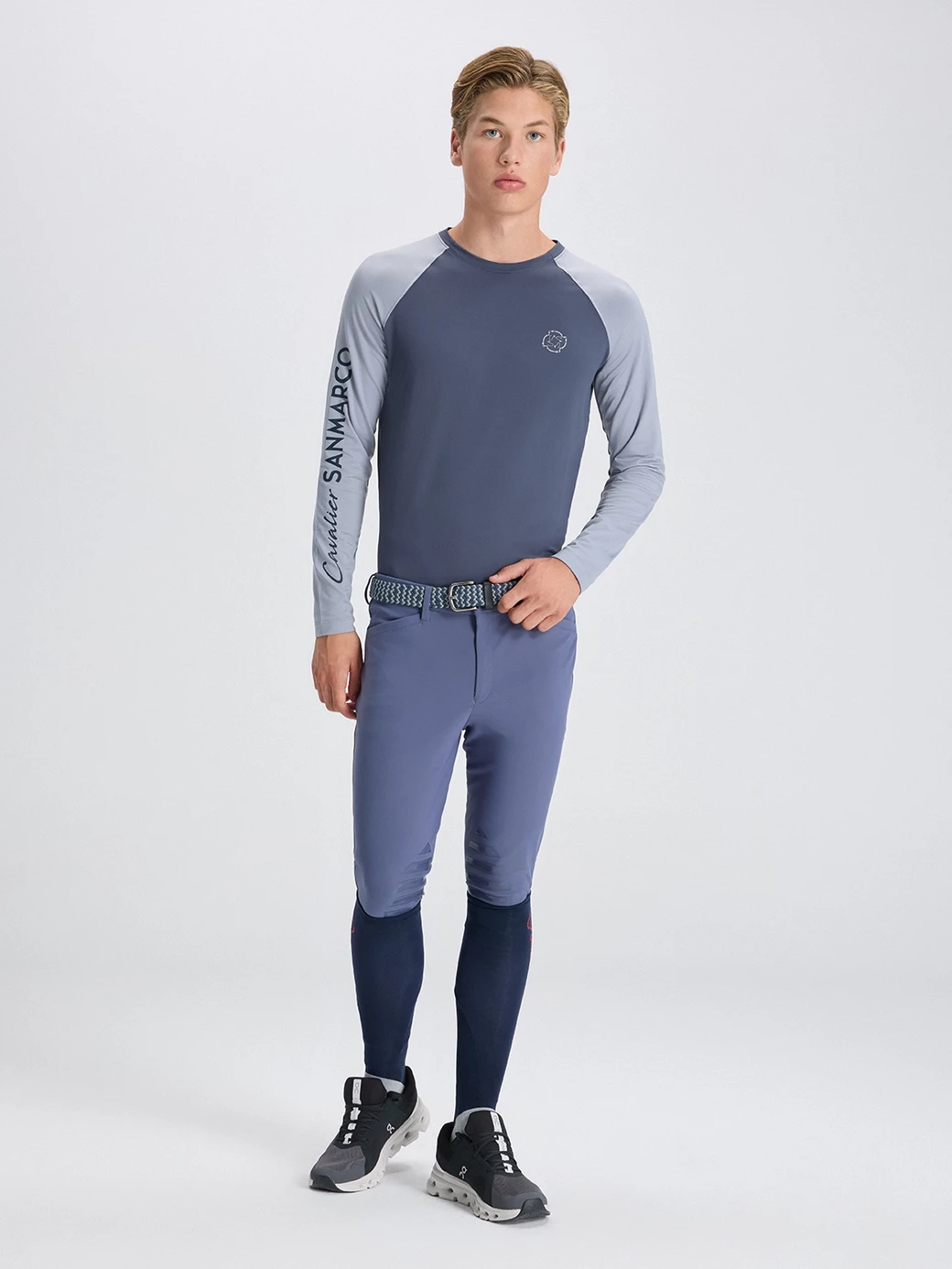
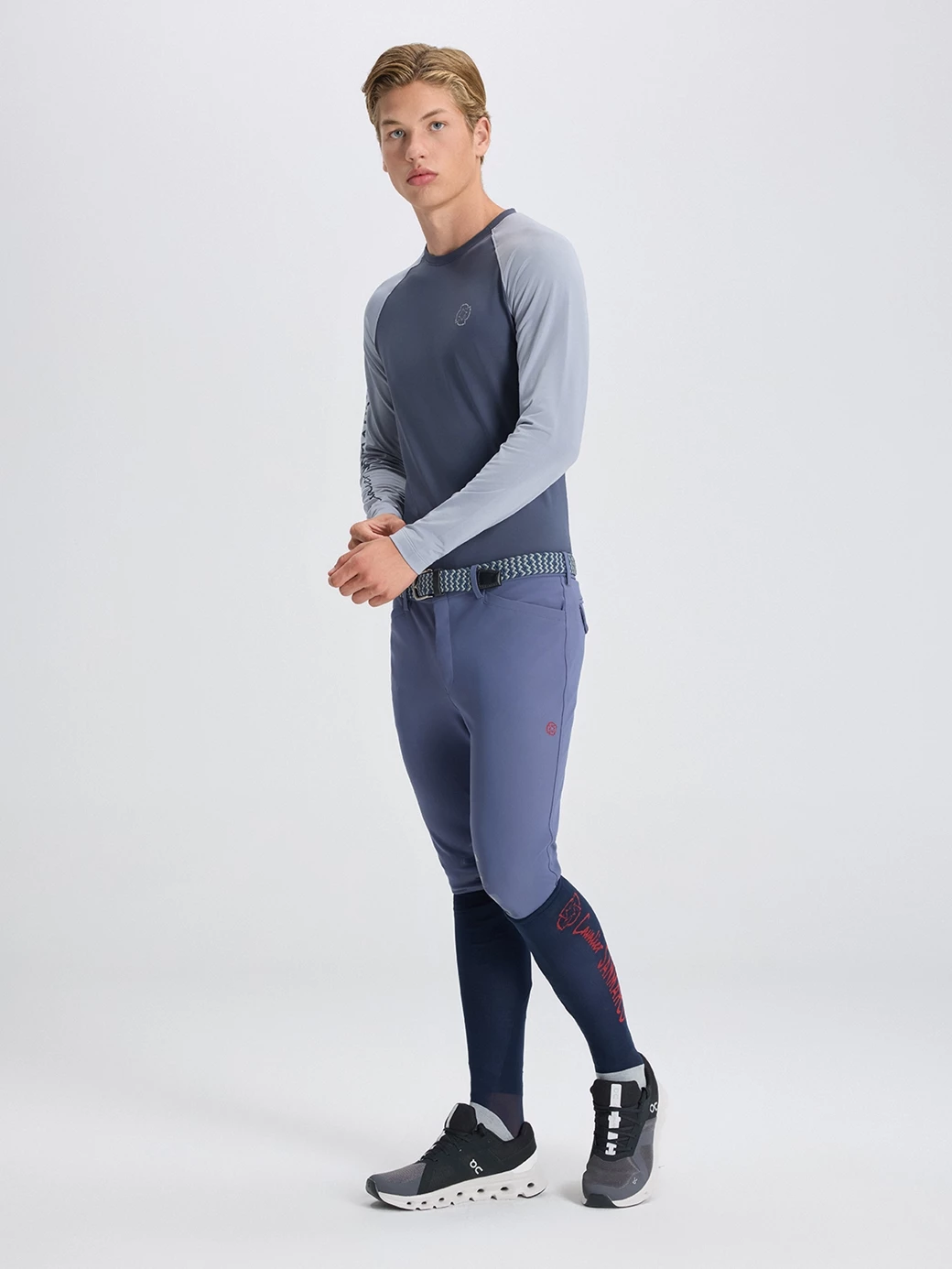
When you pick up a pair of breeches, you will instantly see that they feel different from typical pants--as if they were designed to do something specific. Breeches have no internal seams to rub against your knees, and suede or silicon grips provide you with just the right amount of friction in the saddle. This ability to provide stability without restricting freedom to move allows riders to remain centered and balanced whether the speed increases or decreases suddenly.
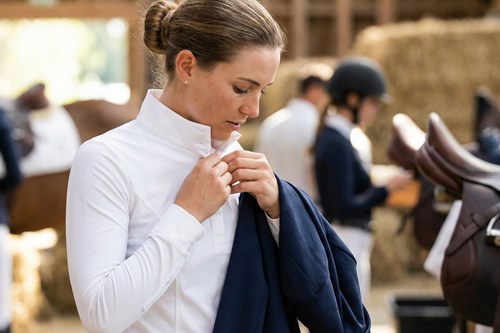
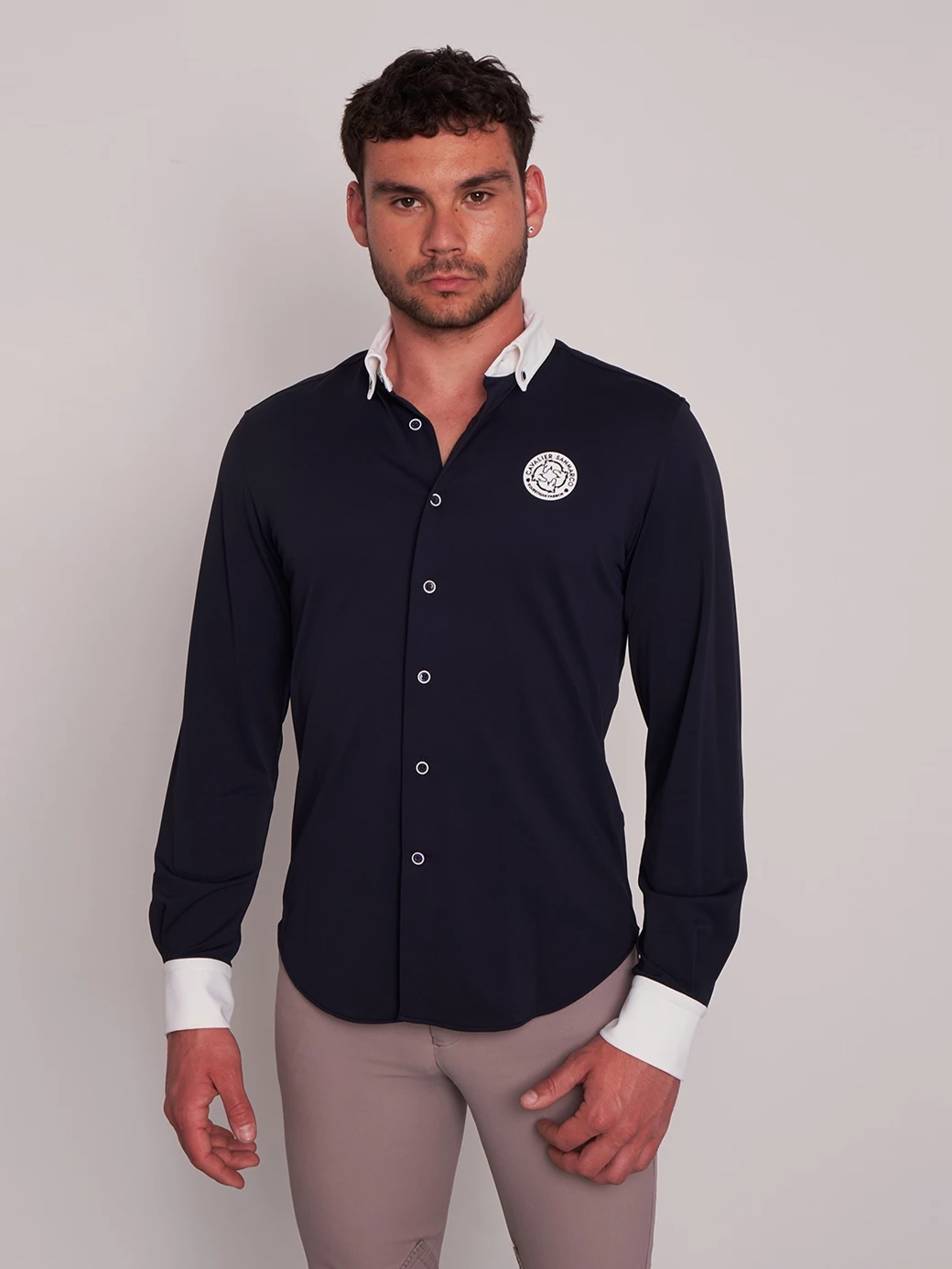
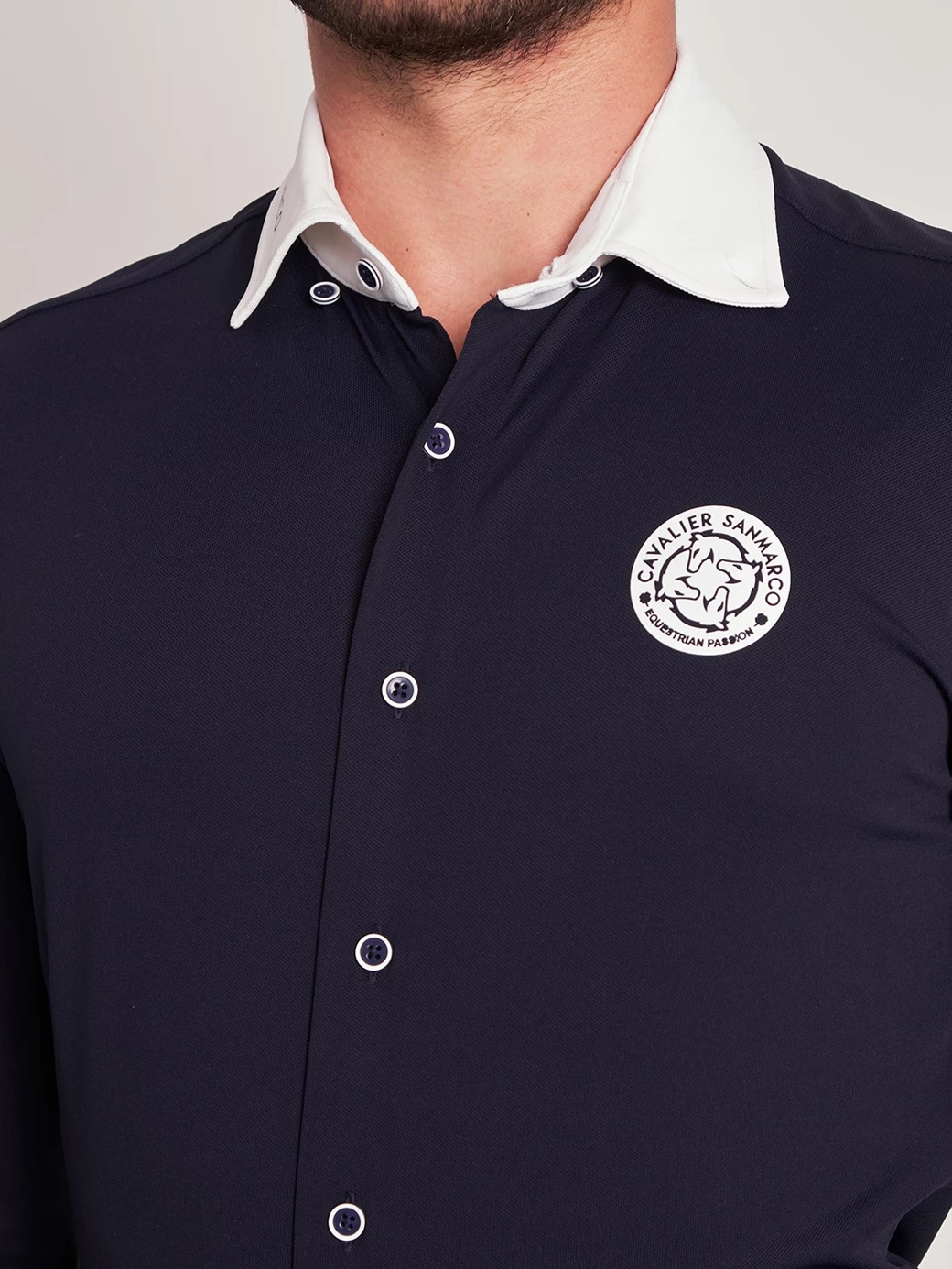
Shirts follow the same reasoning. Riders require shirts that are capable of stretching, breathing and staying where they belong. Soft shell, Lycra and other technical fabrics appear to be basic, however they can also provide wind resistance, moisture control and a flexible weightlessness that make riding feel ...easier. Some of these fabrics can even help to regulate body temperature, and this is much more important than you might imagine when you are on a long training day.
While these qualities may sound extremely technical, they actually just mean that you are able to move freely, remain comfortable and still look nice without having to try so hard.

Boots, Half-Chaps & Finding Your Center of Balance
It is easy to assume that the boots are the stylish centerpiece of the equestrian wardrobe and that is partially correct; they do have to look great, but there is much more to them than looks.
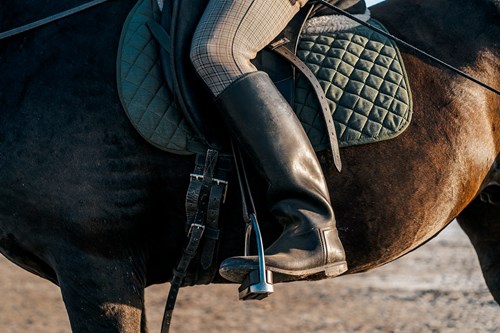
A good riding boot will keep your foot from sliding too far into the stirrup because of the low heel and textured bottom. A single bad step could easily become a dangerous situation, and riding boots are designed to prevent that.
If you prefer shorter boots, then using them with half chaps creates a similar framework and protection to a taller boot. Half chaps are constructed from leather or tough stretchy material and they protect your calf from friction, provide additional grip and allow for a balanced position during transitional movements and seat changes.
While this seems excessively detailed, riders will tell you that stability is built from the ground up -- literally.
Gloves, Helmets & Vests: The Protective Aspects of Style
Gloves: The translator between you & your horse
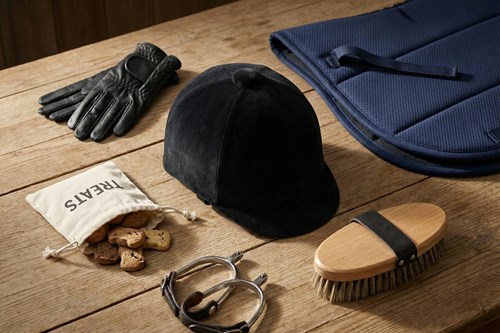
Nearly all of the cues your horse receives come from your hands. Gloves help to stabilize your hands regardless of how wet or sweaty you are and regardless of how difficult the course is. The grip in the gloves prevents your hands from slipping off of the reins and the padding in the gloves prevent blisters. Overall, gloves encourage smooth and consistent rein contact. These small details can add up.
Helmets: The item you should never compromise on
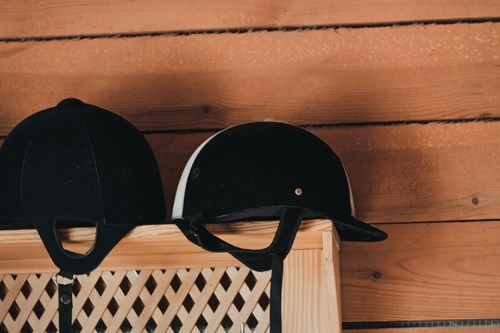
A riding helmet is not the same as a bicycle helmet. Riding helmets are specifically designed to absorb multiple direction impact because falls usually occur when the force of the impact is coming from more than one angle.
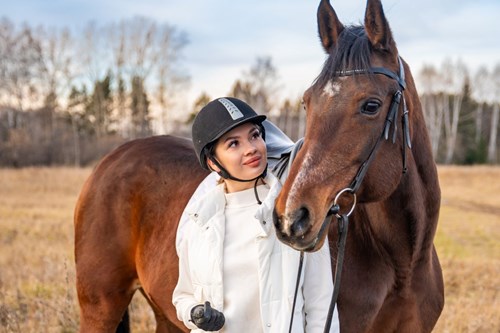
A helmet that fits snugly without creating pressure points, has a secure three-point harness, provides adequate ventilation to promote airflow and is certified by a reputable testing organization, is a helmet that you should consider purchasing. While some riders may select a helmet based on its design or color first, safety certifications should be your primary consideration. Yes, it should also fit comfortably from your first ride.
Protective Vests: The "invisible armor"
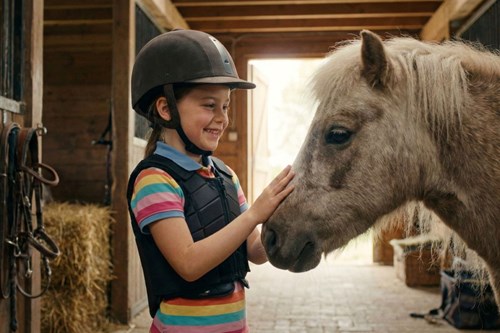
Even though they may not receive awards for fashion, protective vests are designed to absorb shock when the rider strikes the horse or the ground. In addition to absorbing shock, vests help distribute force, decrease rib and spine injury potential and increase rider confidence - particularly during jumping exercises and young horse training.
At Cavalier San Marco, we believe that protective equipment does not have to resemble a tank. Our protective equipment follows the principles of Italian design, including simplicity, clean lines, structural integrity and understated sophistication -- combining protection with aesthetics.
Selecting the Correct Fabric for Riding
Comfort begins and ends with the fabric that your riding clothes are made of. Whether the garment is stylish, you can have the most beautiful silhouette in the world, but if the fabric holds moisture or restricts your range of motion, the ride will become uncomfortable quickly.
Here is a list of common fabrics used for making riding clothes and the characteristics of each:
Cotton Blends
Soft, Breathable, Gentle on Skin
Downside: Cotton blends tend to retain moisture, particularly during high-intensity rides.
Lycra
Stretchy, Supportive, Shape Retains
Best for tops and riding leggings that move with your body without losing form.
Soft Shell
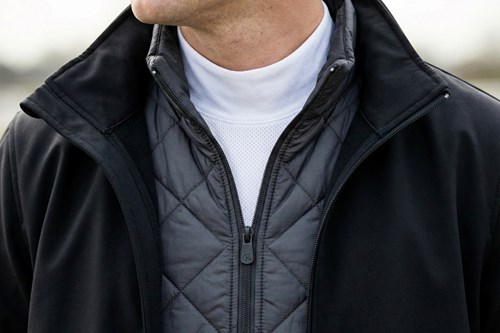
Resistant to Wind and Water, Great for Unpredictable Weather Conditions
Best for outdoor riders who want lightweight protection.
Microfiber & Technical Textiles
High Breathability, Quick Drying Properties
Many modern competitive riders prefer them, especially when riding in warm climates or during long training sessions.
Each of these types of fabric can be found throughout the Cavalier San Marco collection, combining traditional craftsmanship of Italy with performance driven technology. Purposeful with beauty, essentially. ,
Taking Care of Your Gear
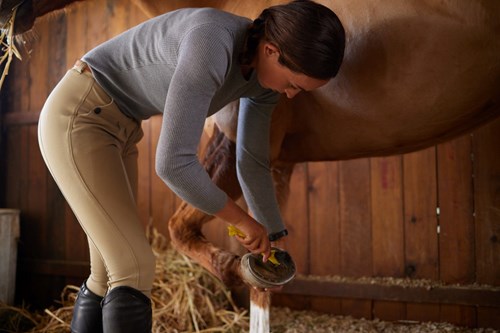
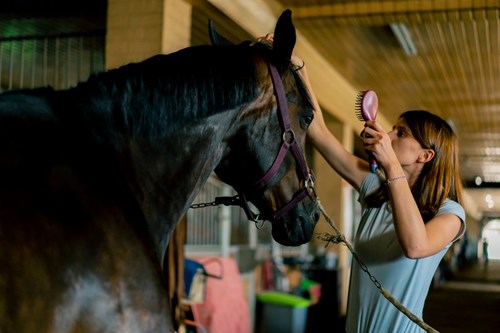
Riding clothing does not require daily maintenance, but a little care and maintenance can extend the life of your gear and increase your comfort while riding. Consider taking care of your riding gear as you would groom your horse: small steps now = big rewards later.
Small care tips that go a long way:
- Use a neutral leather cream to condition your boots and keep them feeling supple.
- Use a soft-bristled brush to gently remove dirt and debris from suede grips and maintain the friction.
- Clean helmet and vest padding with a damp cloth and let them air dry in a shaded area.
If you spend a few minutes per week maintaining your riding gear, you can avoid excessive wear and ensure that your gear remains safe to use. It is one of those things that riders tend to put off...until they realize it would have been easier to maintain than replace.
Frequently Asked Questions About Riding Apparel -- Answered Quickly
What fabric is best for everyday riding?
For a good balance of breathability and light protection, technical microfiber or soft shell is the best choice.
Are breeches better than riding leggings?
Breeches provide a structured fit with grip, while leggings provide comfort and flexibility. The majority of riders have both for different occasions.
Do I really need a certified helmet?
Yes. Certification ensures that the helmet has met the minimum standards for impact and safety.
Do I need half chaps?
If you ride in short boots, then yes; they improve grip and protect your legs.
How often should I clean my boots?
Quickly wipe them clean after each ride and condition them weekly. Small Effort = Huge Reward.