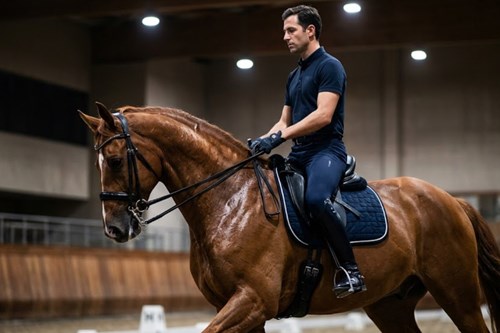
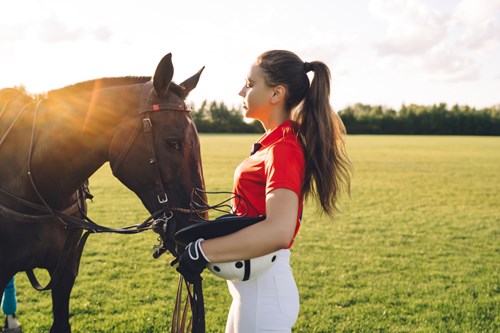
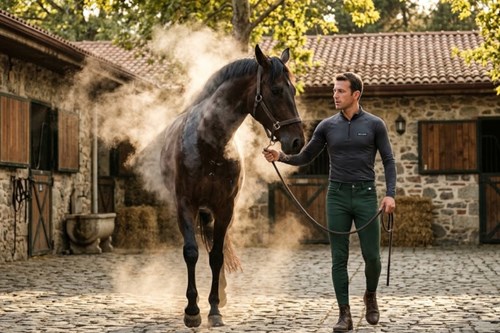
DESIGNED BY RIDERS, FOR RIDERS


Base Layer Selection: Sweat Management, Heat Balance, and the Art of Layering

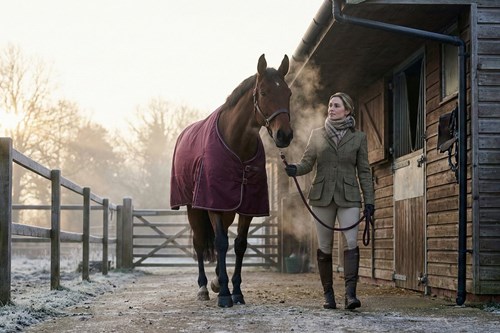
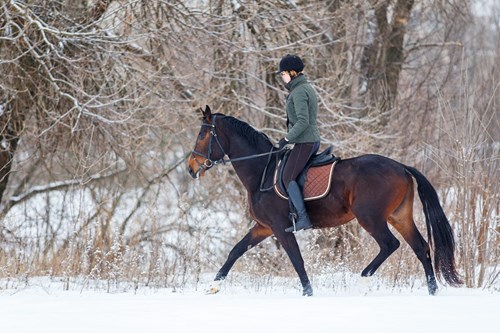
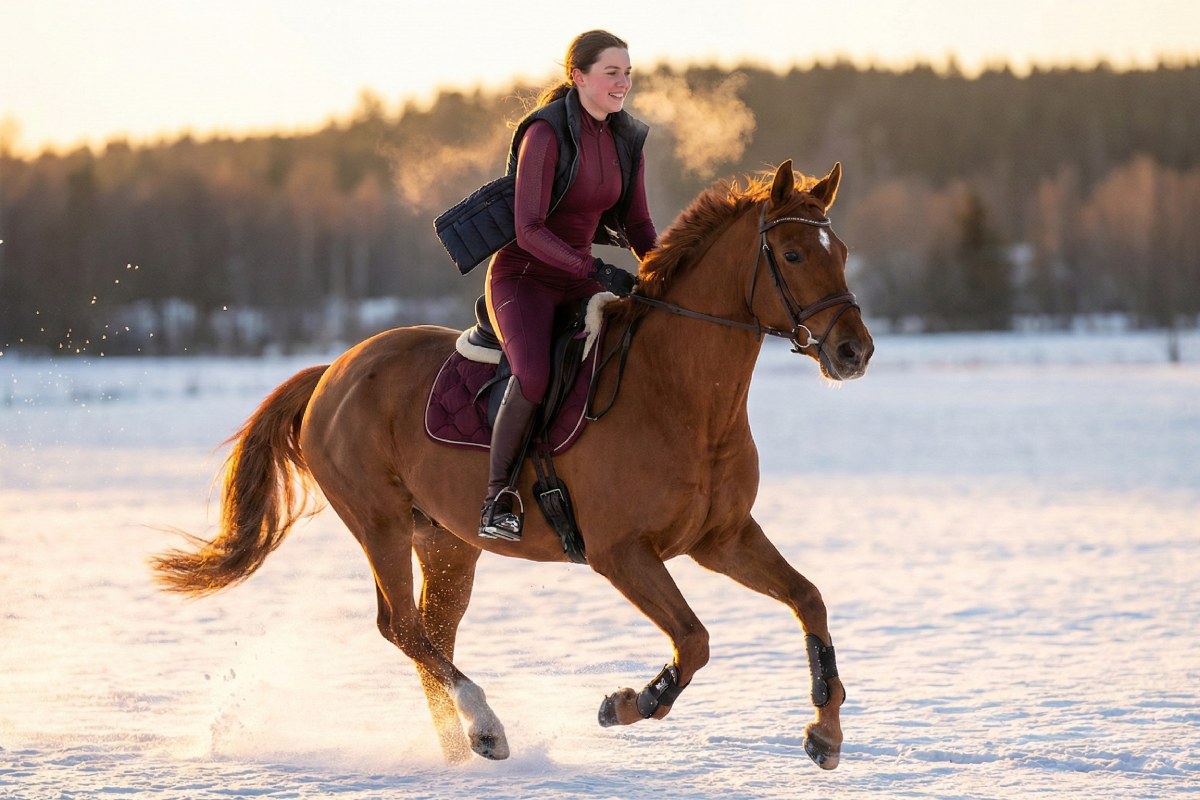
Winter riding is a rigorous thermal challenge for the athlete. You are greeted by freezing cold when you first enter the stable, but once you prepare your horse, finish the warm-up laps, and start intense work, your body temperature rises rapidly. This paradox is where riders make the most common mistake: Turning to thick, woolly, or non-breathable clothing "not to get cold." However, the secret to comfort and performance lies not in thickness, but in the correct equestrian base layer technology.
To preserve body heat, survive the winter without getting sick, and create stylish riding outfits at the same time, you must think of your clothing as a "system" and lay a solid foundation. This foundation is the base layer, the piece that makes first contact with your skin.
The Core Problem: Not Heating, But Staying Dry
Contrary to popular belief, the main cause of feeling cold in equestrian sports is not the sub-zero temperatures outside, but the "sweat" inside. When you train with a wrongly chosen undershirt, sweat remains on your skin. The moment you dismount for a cool-down walk or stop to groom in the stable, that wetness combines with the wind to rapidly lower your body temperature (The Chill Effect).
The main duty of a professional equestrian base layer is not to heat you like a stove, but to provide sweat management.
- Mechanism: Technical fabric absorbs (wicks) sweat from your skin in seconds and pushes it to the outer surface of the fabric.
- Result: Your skin remains dry, so your body temperature stays stable at the end of the training, and you do not experience sudden chills.
Fabric Technology: Why is Cotton Forbidden?
Cotton t-shirts, which we find comfortable in daily life, are your biggest enemy in winter riding. Cotton is naturally hydrophilic; meaning it absorbs sweat and traps it within itself. A wet cotton base layer completely loses its thermal insulation properties and turns into armor made of ice.
The breathable fabric technologies (Polyamide/Elastane blends) used in Cavalier San Marco's technical collections are hydrophobic. They do not hold sweat; they expel it.
- Silver Ion Technology: Prevents bacteria formation and odors during long-term use.
- 4-Way Stretch: Does not restrict freedom of movement on the saddle; it moves with your body.
Fit and Size Selection: The Second Skin Effect
For a thermal base layer to do its job, a tight fit (slim fit) is essential.
- Why Must It Be Tight? The fabric needs to touch the skin to absorb sweat. If the base layer is loose, air gaps form between your skin and the fabric. Sweat cools down in these gaps, making you feel cold.
Elegance and Function for Female Riders
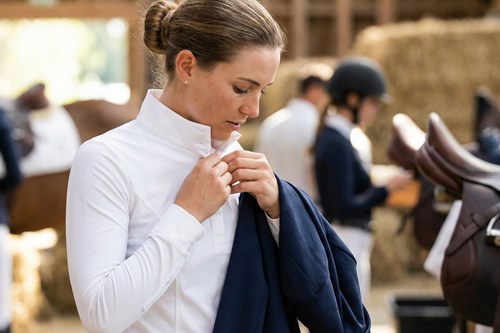
For female riders, the base layer is not just an undershirt, but a piece that completes elegance when the jacket is removed. Cuts that tidy up body lines and elegant details are at the forefront.
- Recommendation: Choose long-torso designs that fit the waist curve and do not ride up while in motion.
- Explore: Women's Equestrian T-Shirts & Base Layers
Performance and Durability for Male Riders
In male anatomy, shoulder and back width are decisive in base layer selection. Raglan sleeve cuts eliminate restrictions in shoulder movements.
- Recommendation: Models with extra ventilation panels in the back area are ideal for those who train intensely.
- Explore: Men's Equestrian T-Shirts & Base Layers
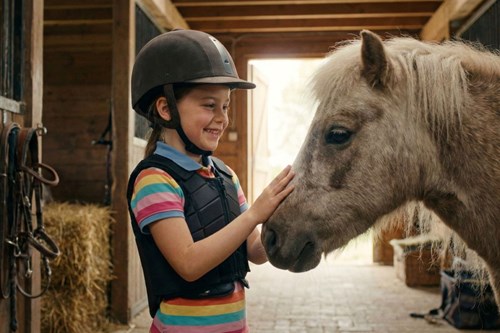
Protection and Comfort for Junior Riders
Parents' biggest concern is their children getting sick after training. Children cannot regulate their body heat as well as adults, so winter riding gear is vital for them.
- Recommendation: Flexible fabrics with soft textures that do not irritate sensitive skin and can be easily put on and taken off by children should be selected.
- Explore: Junior Equestrian T-Shirts & Base Layers
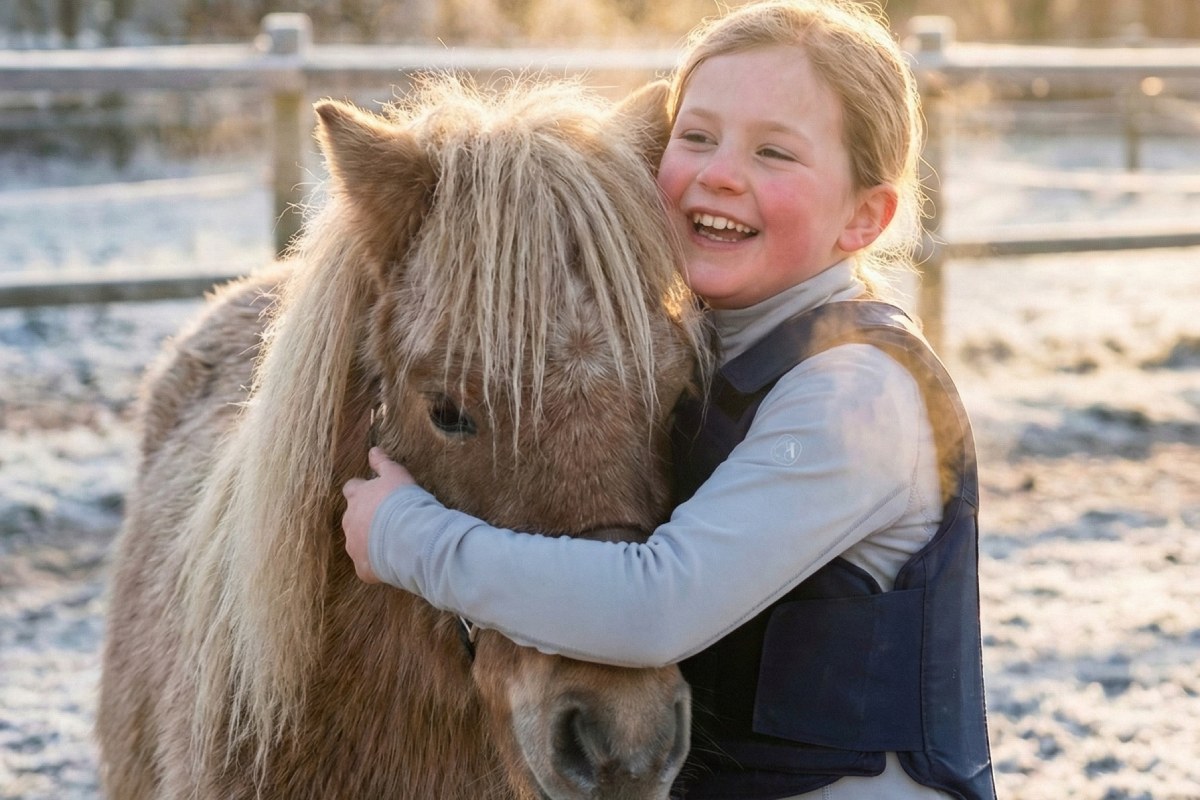
Seasonal Layering Logic
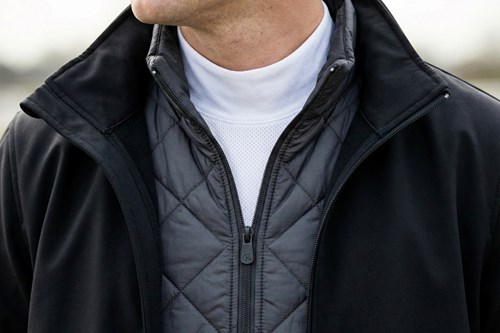
Dressing correctly does not mean dressing thickly. Apply the 3-layer system rule:
- Base Layer: Manages sweat, keeps skin dry. (e.g., Technical long-sleeve top)
- Mid Layer: Traps heat, provides insulation. (e.g., Fleece or a thin riding vest)
- Shell (Outer Layer): Blocks wind and rain. (e.g., Softshell jacket or raincoat)
Thanks to this system, you can remove the outer layer at the most intense moment of training and put it back on during cool-down to maintain your body balance.
How Wrong Choices Ruin Comfort
- Dressing Too Thick: Restricts your mobility, forces blood circulation, and causes excessive sweating.
- Wrong Material: Even if you wear the most expensive, waterproof technical jacket over a cotton undershirt, you will feel cold because you are wet from the inside.
- Layer Mismatch: The conflict between the collar of the base layer and the collar of the fleece you wear over it can cause discomfort in the neck area and interfere with the helmet strap.
In conclusion, base layer selection is not just an "underwear" preference, but an engineering decision that directly affects your training performance. To stay dry on the saddle during winter months and not compromise on your style for all family members, you can visit our riding outfits page that combines technical superiority with aesthetics, and discover the art of layering.
Feel the performance, not the cold.