DESIGNED BY RIDERS, FOR RIDERS


Winter Riding Wardrobe for Women: Essential Equestrian Clothing for Cold Days
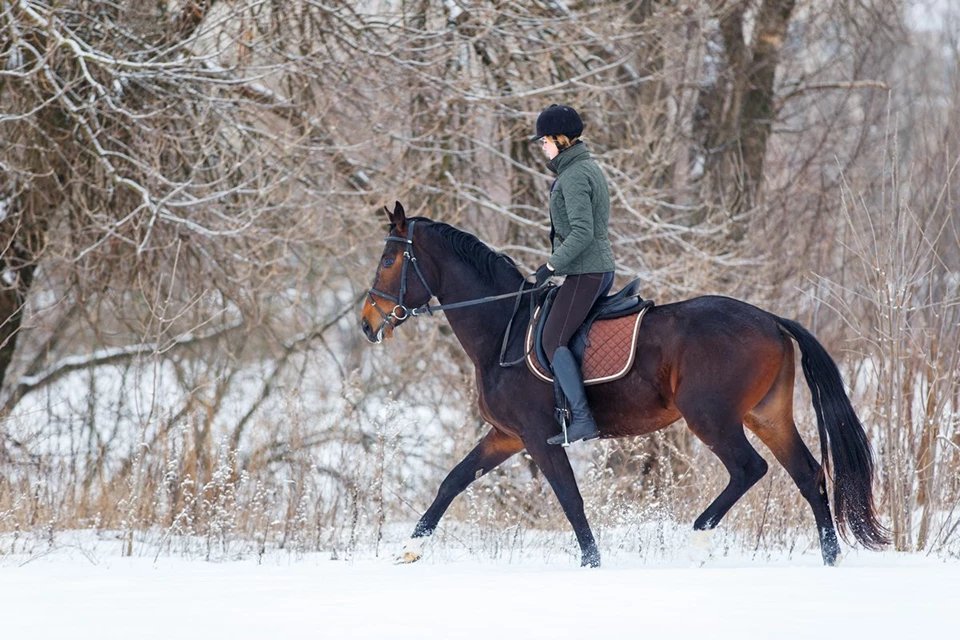
Winter riding tests a rider's dedication. The frozen arenas and biting winds make motivation difficult. However, the cold does not mean you must stop riding. The solution lies in technical clothing. The wrong outfit leaves you shivering and stiff. The right equestrian winter gear keeps you warm, mobile, and safe.
Cold muscles react slowly. This is dangerous when handling 500kg animals. Therefore, staying warm is a safety priority, not just a luxury. This guide outlines the essential wardrobe for women riders during the winter months.
The 3-Layer System: The Core of Warmth
You cannot rely on a single thick coat. Riders generate heat while trotting and cool down quickly while walking. The "onion method" (layering) is the most effective strategy.
1. The Base Layer (Second Skin)
This layer touches your body. Its job is moisture management. When you work hard, you sweat. If that sweat stays on your skin, it cools you down instantly.
- Avoid Cotton: Cotton absorbs sweat and holds it. It stays wet and cold.
- Choose Merino Wool or Synthetics: These materials wick moisture away. Merino wool naturally regulates body temperature. It keeps you warm even when damp.
2. The Mid-Layer (Insulation)
This layer traps body heat. It creates a warm air pocket around your torso.
- Fleece Jackets: Lightweight and breathable. They are easy to remove if you get too hot.
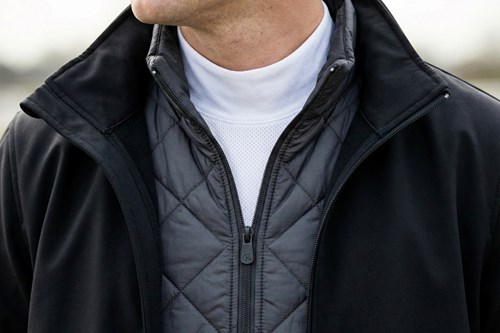
- Light Down Vests: A gilet (vest) keeps your core warm but leaves your arms free. This is crucial for unimpeded rein contact.
3. The Outer Layer (Protection)
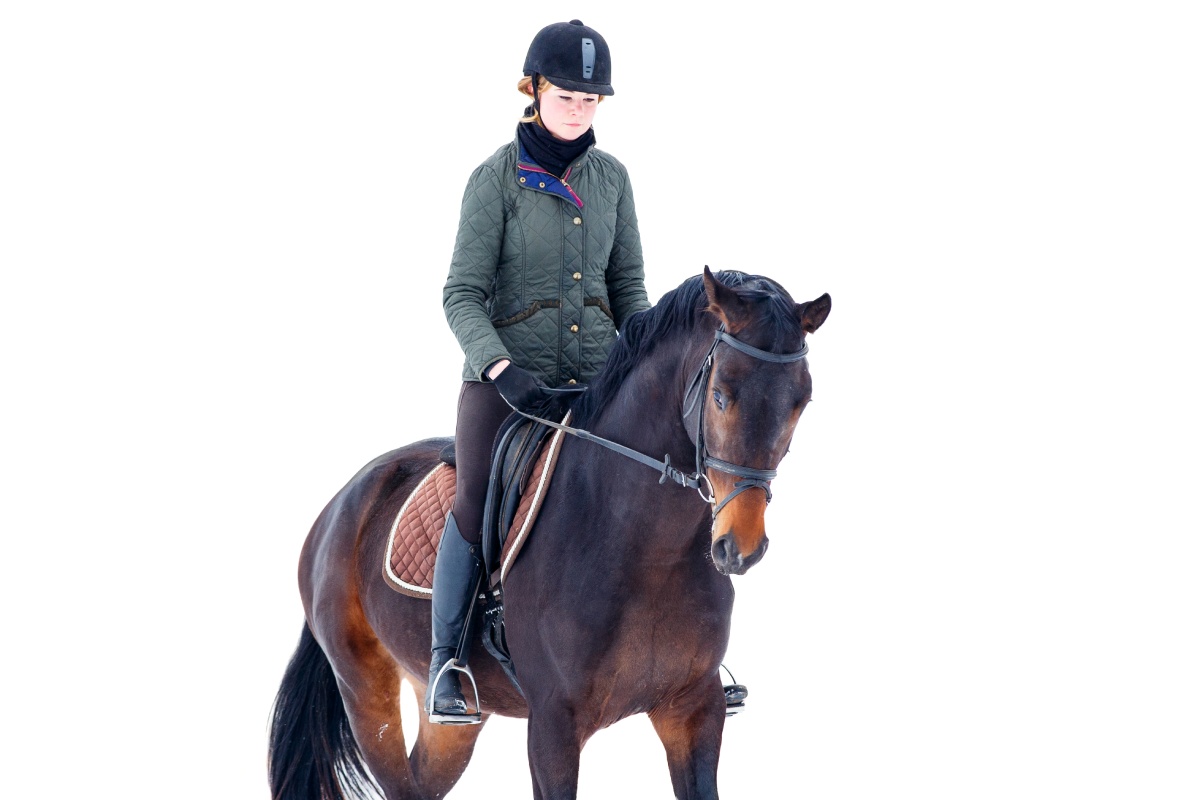
This is your shield against the elements. A winter riding jacket must block wind and repel water.
- Riding Specific Design: Look for jackets with rear vents or two-way zippers. This design accommodates the saddle.
- Fabric: Softshell materials are excellent. They stretch with your movement and stop the wind.
Expert Tip (The Two-Way Zipper): Never ride in a long coat without opening the back vent or zipper. A closed coat gets trapped under your seat. This reduces your grip on the saddle and pulls the coat tight across your shoulders.
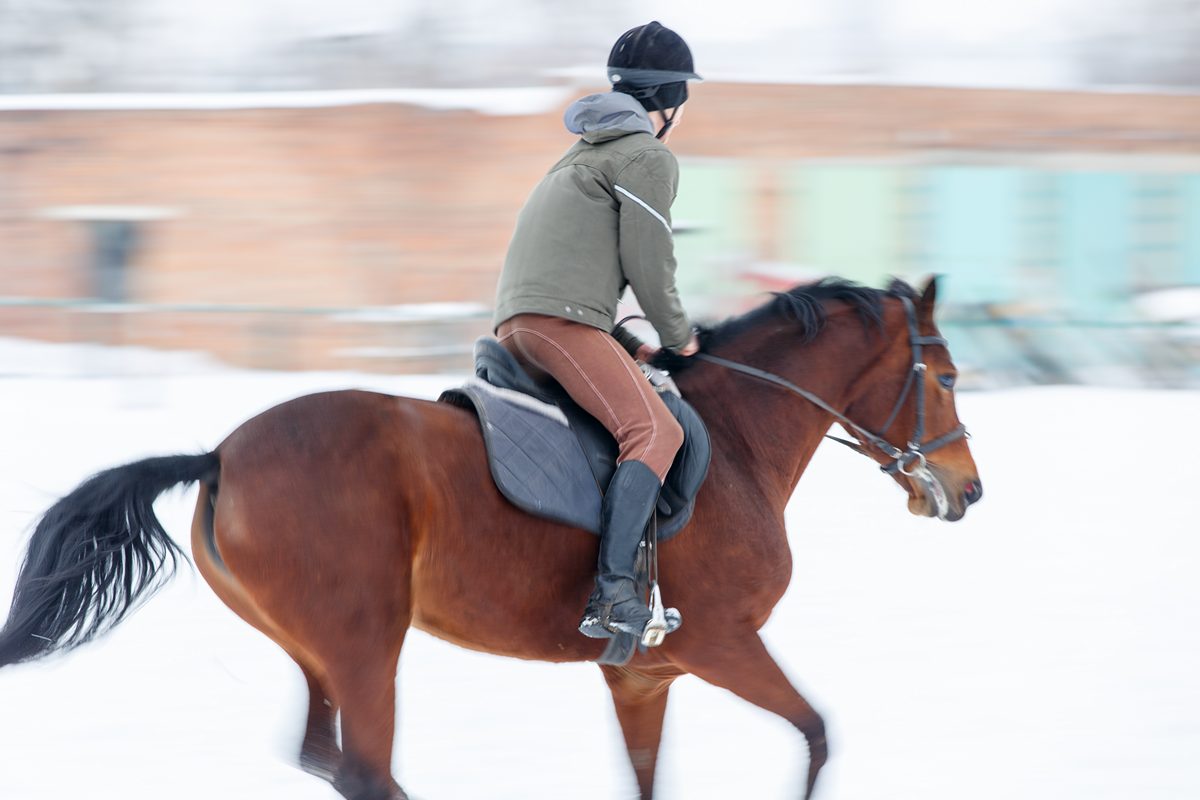
Legs and Feet: Protecting the Extremities
Your core might be warm, but frozen toes or stiff legs ruin a ride.
Winter Thermal Breeches
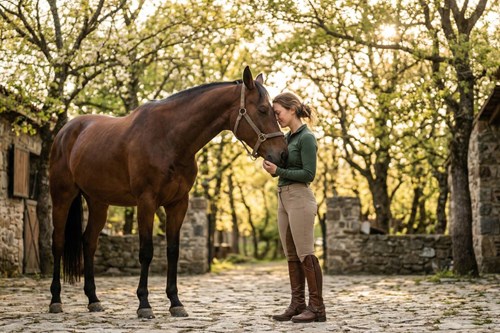
Standard summer breeches are thin. The cold wind cuts right through them. Thermal riding breeches feature a distinct construction.
- Interior: They have a brushed fleece lining. This feels soft and holds heat.
- Exterior: The outer fabric is often water-resistant softshell. It repels snow and light rain.
- Grip: Ensure the silicone grip is high quality. Cold weather can make cheap silicone brittle.
Winter Riding Boots
Frozen toes are a common complaint. You lose feeling in your feet, which affects your leg aids.
- Insulation: Look for boots lined with Thinsulate or sheepskin.
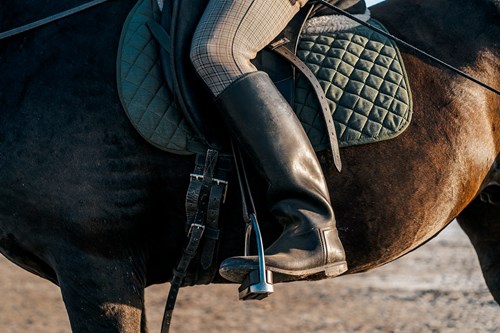
- Sole Thickness: A thicker sole isolates your foot from the frozen metal stirrup.
- Sizing: Buy winter boots half a size larger. You need space for warm air to circulate. Tight boots cut off blood flow and make feet colder.
Did You Know? (Stirrup Danger): Wide winter boots may not fit in standard stirrups. Check the width before you mount. If the boot is too wide, it risks getting stuck during a fall. You might need wider stirrup irons for winter.
Essential Accessories for Head and Hands
Small accessories make a massive difference in overall comfort.
Winter Riding Gloves
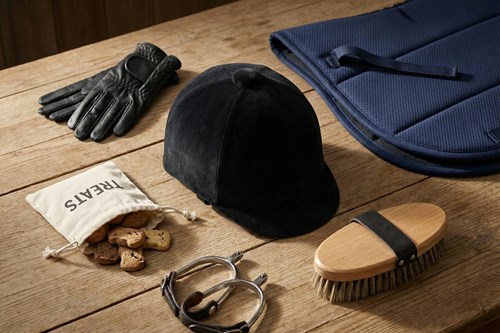
You need tactile feedback from the reins. Thick ski gloves are unsafe because you cannot feel the horse's mouth. Winter riding gloves use thin but dense insulation.
- Windproof: The back of the hand faces the wind. This area needs windstopper fabric.
- Grip: The palm must have a strong grip material. Wet reins are slippery.
Neck Warmers vs. Scarves
Do not wear long scarves around horses. They are a strangulation hazard. They can snag on branches or saddle parts. A fleece neck tube (snood) is the safe alternative. It stays close to the neck and does not dangle.
Winter Gear Checklist: What Do You Need?
Use this table to assess your current wardrobe. ,
|
Item |
Priority |
Key Feature |
Material Suggestion |
|
Base Layer Top |
High |
Moisture-wicking |
Merino Wool / Technical Synthetic |
|
Thermal Breeches |
High |
Wind blocking & warmth |
Softshell with Fleece Lining |
|
Winter Gloves |
High |
Warmth without bulk |
Thinsulate / Roeck-Grip Winter |
|
Riding Vest (Gilet) |
Medium |
Core warmth, arm mobility |
Down or Synthetic Fill |
|
Waterproof Jacket |
High |
Wind/Rain protection |
Gore-Tex or treated Polyester |
|
Neck Warmer |
Medium |
Draft protection |
Micro-fleece |
|
Winter Boots |
Medium |
Toe warmth |
Leather with Sheepskin lining |
Care Instructions for Technical Fabrics
Winter gear is an investment. Proper care keeps waterproof and thermal properties intact.
- Skip Fabric Softener: Never use softener on softshell or moisture-wicking clothes. It blocks the fabric pores.
- Close Zippers: Zip up jackets and breeches before washing. This prevents the teeth from tearing other fabrics.
- Waterproofing: Re-apply a waterproofing spray to your outdoor jackets once a season.
Winter riding builds character and strength. With the right winter riding wardrobe, you ignore the temperature and focus on the connection with your horse. Dress smart, layer up, and enjoy the crisp winter rides. Cavalier San Marco supports your passion in every season.