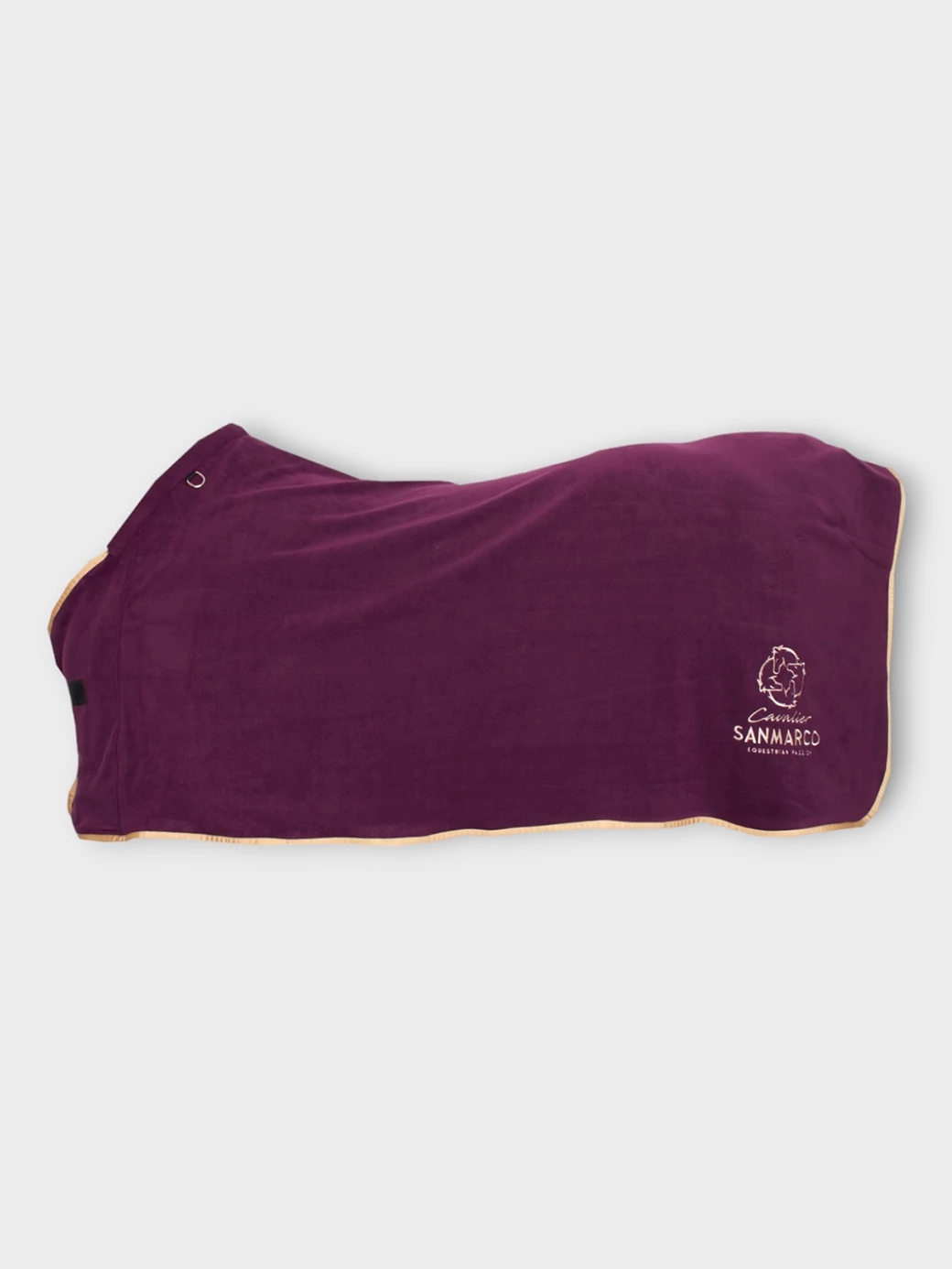
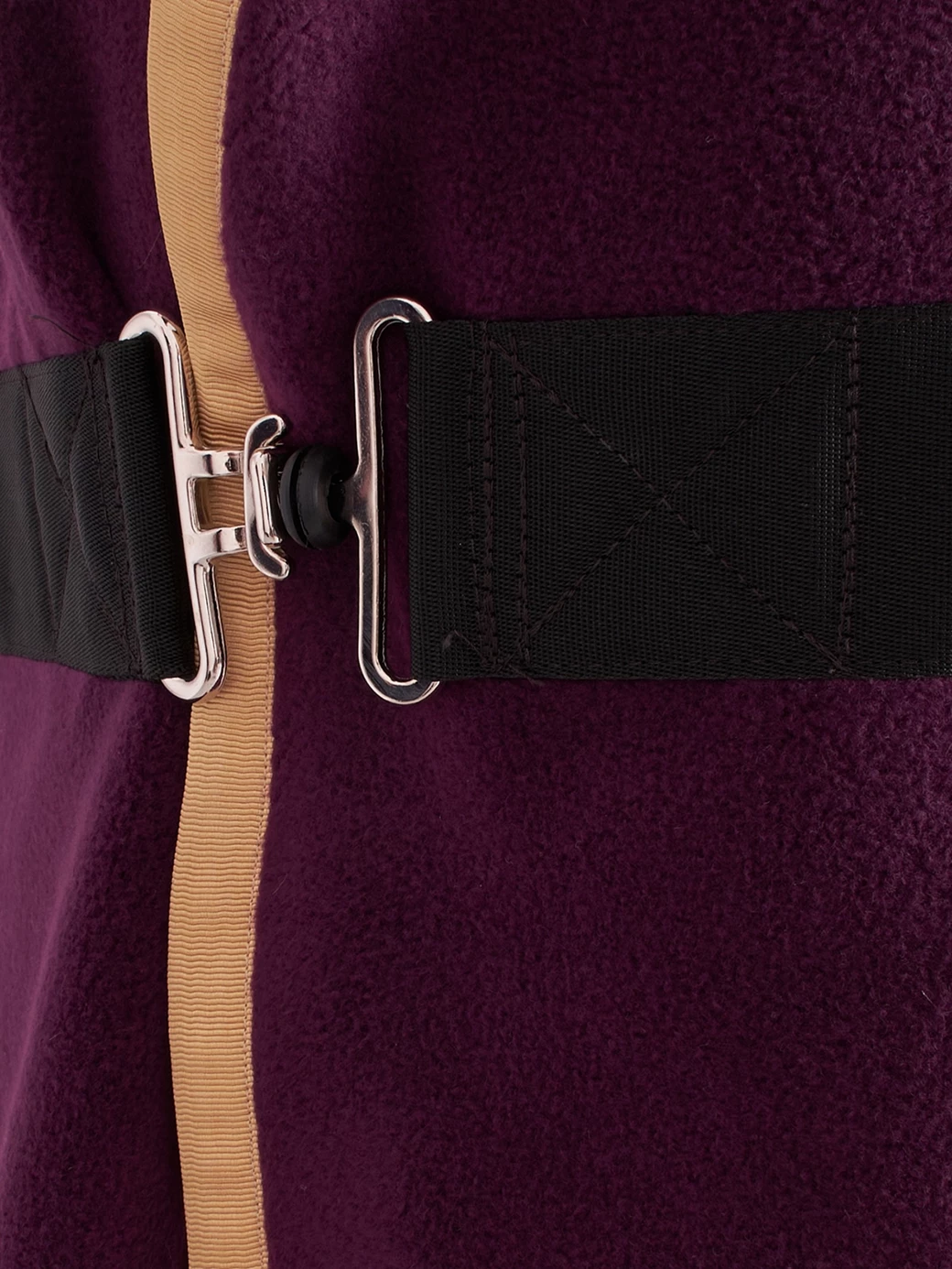
DESIGNED BY RIDERS, FOR RIDERS


When to Use a Cooler? Post-Sweat Drying, Heat Loss, and Weather Condition Scenarios
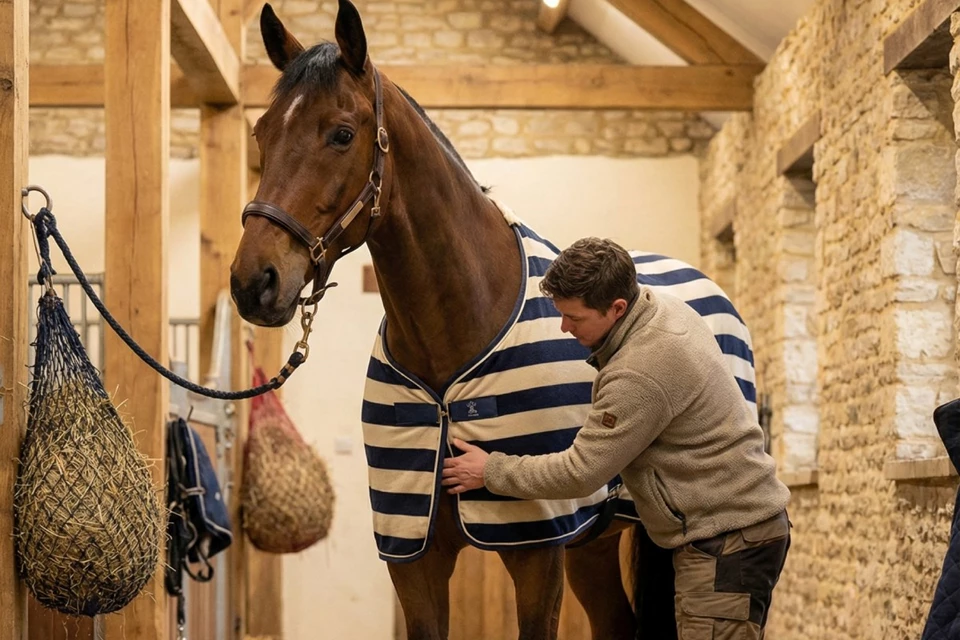
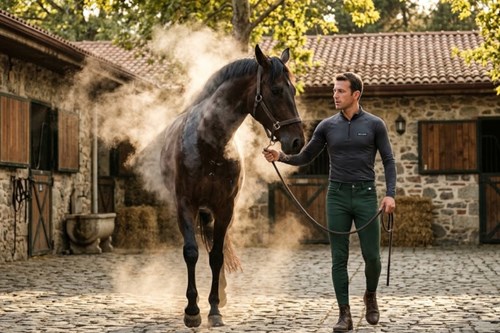
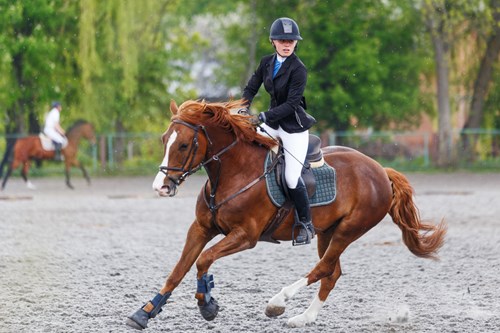
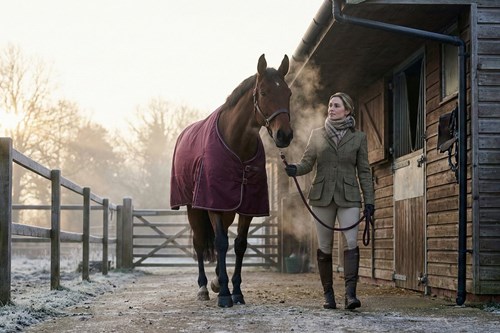
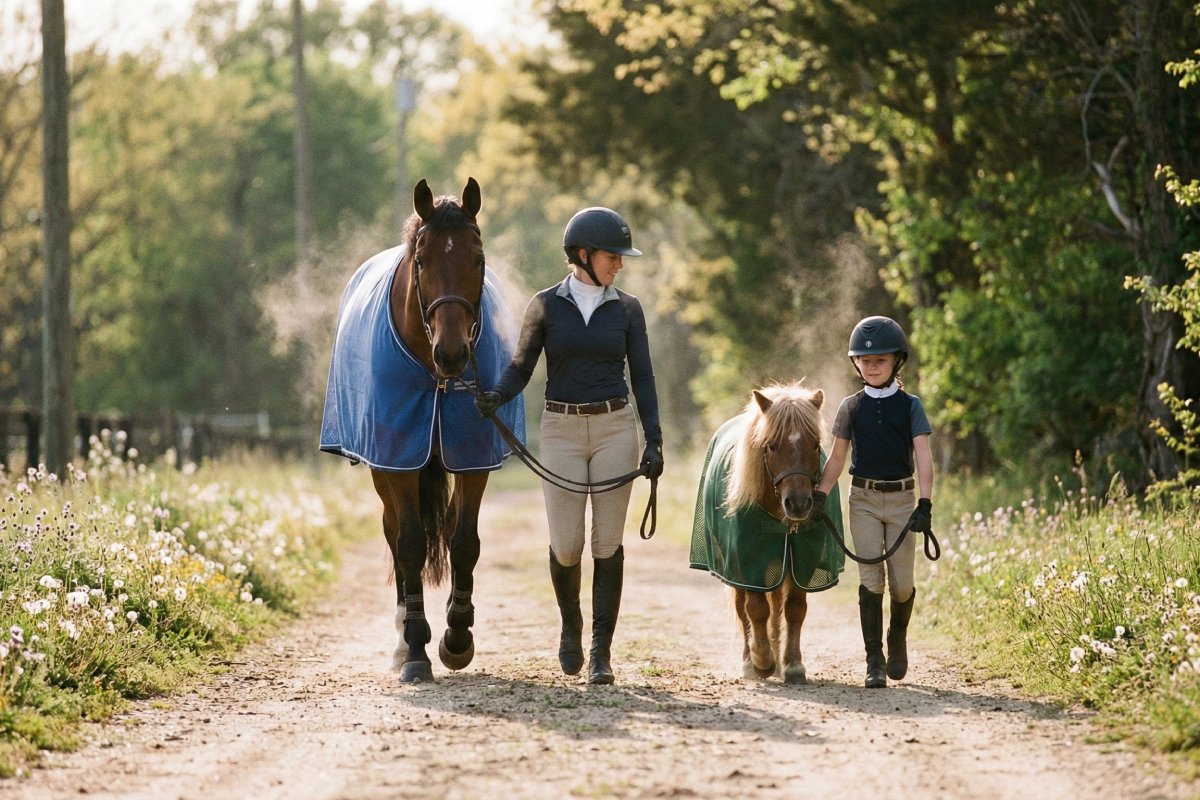
A tough workout, an exciting trail ride, or a high-effort competition... When your partner—whether a large-bodied horse or a compact pony—completes its task, its body temperature is at its peak, and its coat is covered in sweat. Right at this point, the most critical yet sometimes misunderstood technical equipment of the equestrian world comes into play: The Cooler.
Many riders think it is enough to take the horse into the stable right after the training and cover it with a standard stable rug. However, directly placing a thick rug over a sweaty body or walking the animal in the wind while sweaty invites serious health problems ranging from muscle stiffness to respiratory diseases.
In this detailed guide, we examine what a cooler is, why it should be used as a "transition equipment" in post-workout care, and how it should be positioned according to different weather conditions, with all its technical details.
What is a Cooler and Why is it a Vital "Transition" Equipment?
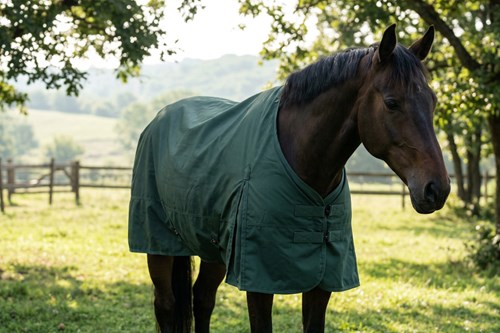
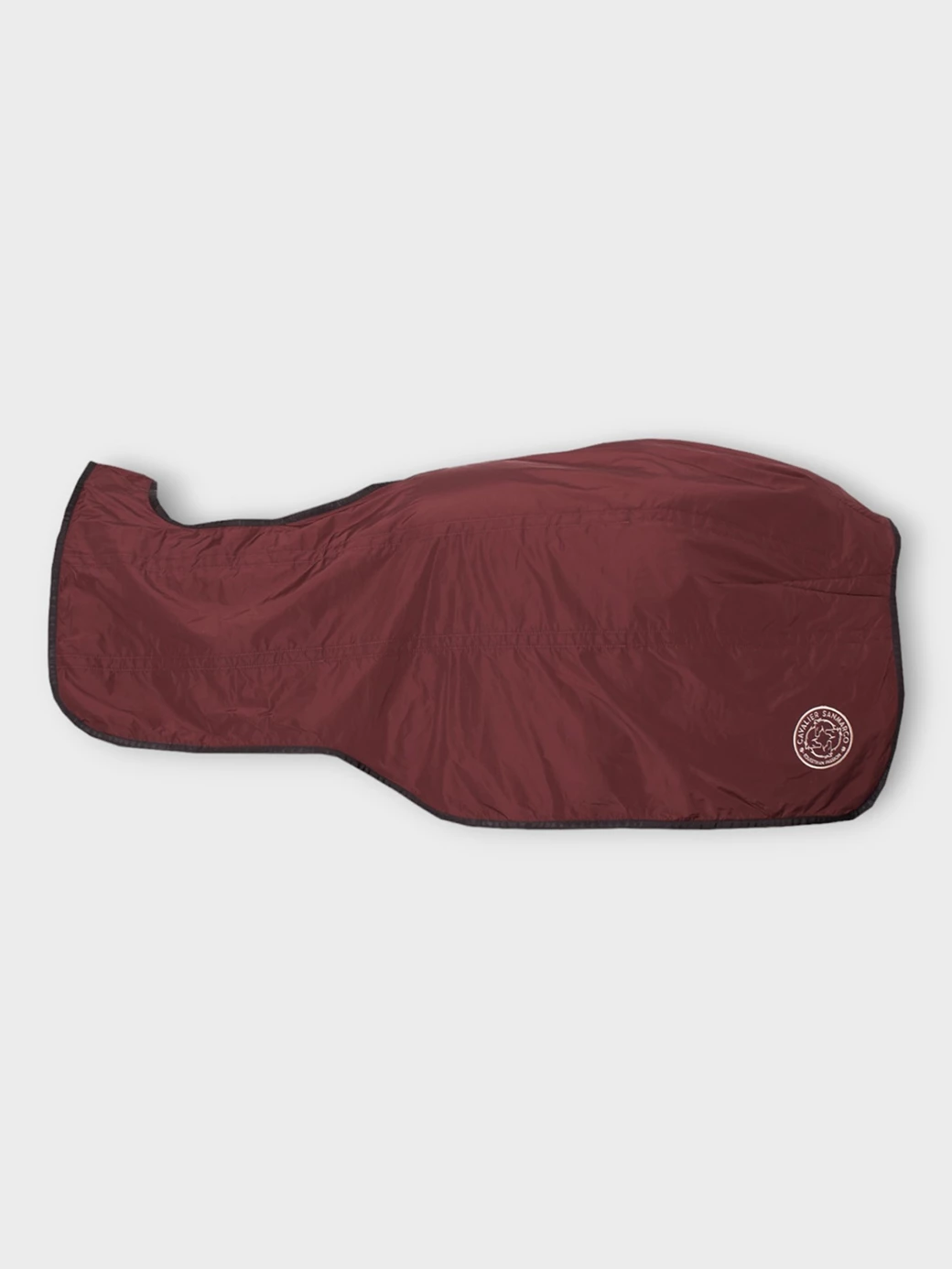
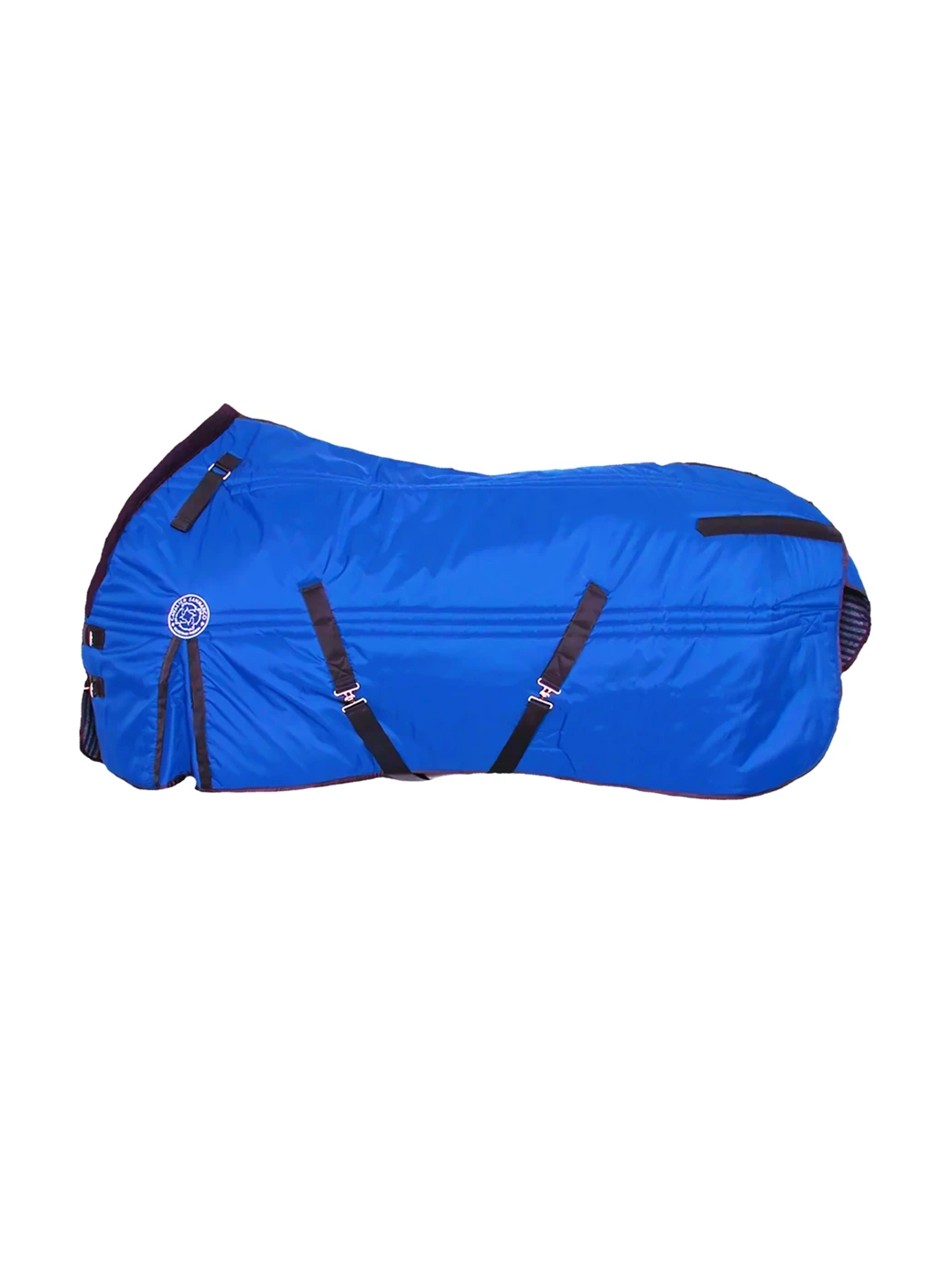
A horse cooler rug is not a standard blanket. Its main purpose is not just to "warm" the horse, but to absorb moisture and sweat from the body and wick it away from the coat (moisture-wicking), and in this process, to prevent the horse's body temperature from dropping suddenly.
When horses and ponies sweat, the insulating air layer between their hairs disappears. Wet hairs conduct heat much faster compared to dry hairs. This means "rapid heat loss". Cooler rugs, thanks to their special textures (usually high-quality fleece, wool, or advanced technical mesh fabrics), draw the sweat out like microscopic tubes. While evaporating the moisture on the outer surface, they keep the inner surface (the horse's skin) dry and warm, providing a flawless post-sweat drying.
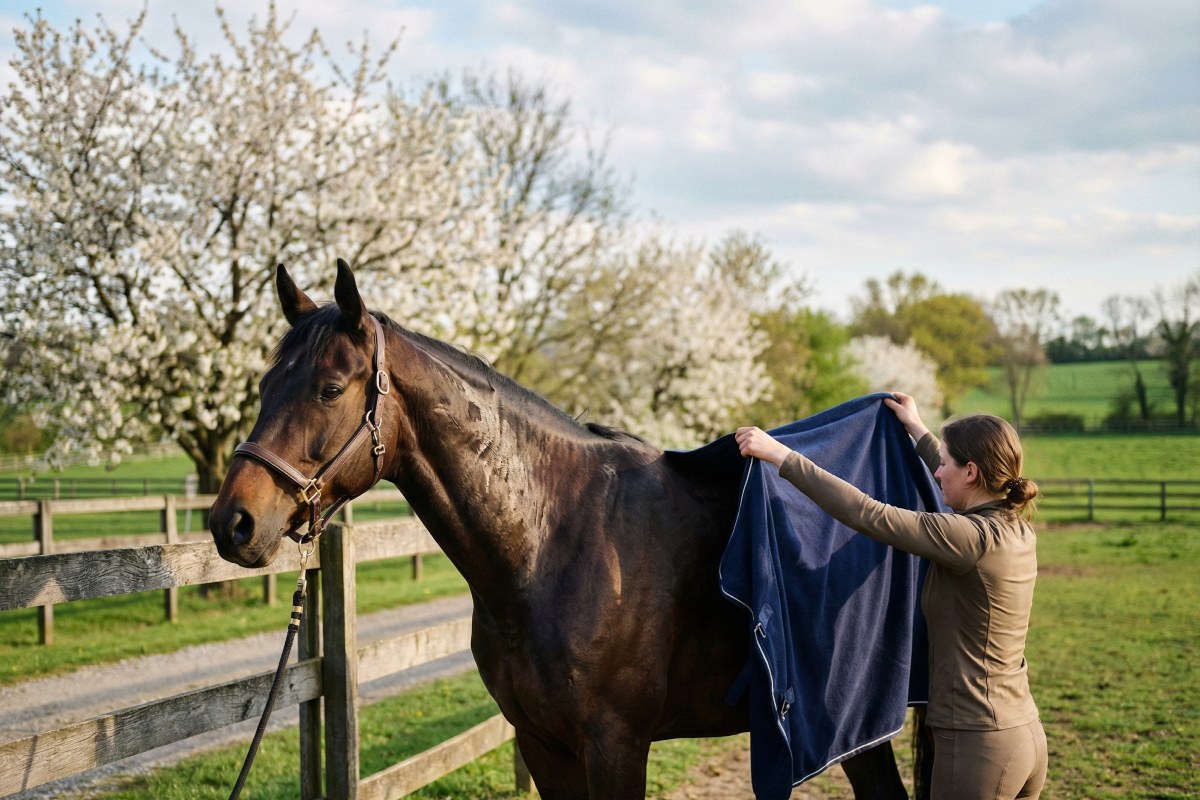
Horse and Pony Physiology: Different Size, Same Need
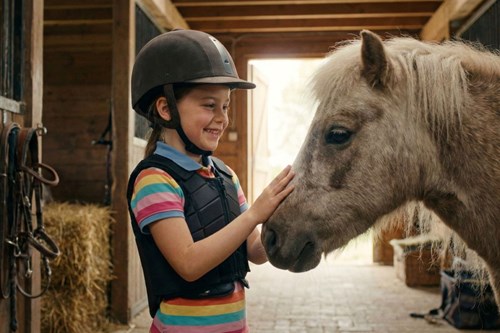
When it comes to post-workout care, horses and ponies are subject to the same thermoregulation (heat balancing) rules, but certain physical differences can make the use of a cooler even more critical for ponies:
- Coat Density: Ponies generally have a thicker and denser winter coat compared to horses. When an unclipped pony sweats during training, the moisture under those dense hairs can take hours to dry. This situation leaves the pony extremely vulnerable to the cold.
- Ergonomic Fit: Putting a large horse's cooler on a pony is not just an aesthetic mistake; dangling long fabrics get tangled in the pony's legs, creating serious safety risks. Therefore, for it to absorb sweat properly, it is imperative that the fabric fully wraps the body and is sized appropriately for the anatomy.
Cooler Usage Guide According to Scenarios
Proper cooler usage depends on the air temperature, wind conditions, sweat intensity, and elapsed time. Here are the 3 most common scenarios:
Scenario 1: Cold Weather + Heavy Sweat (Winter Months)
- Situation: Your horse/pony has come out of a heavy workout, the weather is around 5°C, and its coat is soaking wet.
- Action: A thick fleece or wool cooler should be immediately put on the back. This rug will draw the moisture out while taking on the task of heat loss prevention. After walking for about 20-30 minutes or resting in the stable, you can see water droplets (like dew) accumulating on the outer surface of the cooler. This is the proof that the rug is doing its job.
- Critical Rule: When the cooler becomes damp and the horse's coat dries, this wet cooler must be removed immediately, and the horse's own dry stable rug must be put on.
Scenario 2: Windy/Cool Weather + Light Sweat (Spring Months)
- Situation: The weather is 15°C, there is a light wind, and only the horse's neck/saddle area is sweaty.
- Action: After dismounting the horse, a medium-thickness cooler should be covered to prevent the wind from hitting the sweaty areas and suddenly cooling the muscles. It is sufficient for it to stay on until the horse is completely dry and its breathing returns to normal (about 15 minutes).
Scenario 3: Hot Weather + Heavy Sweat (Summer Months)
- Situation: The weather is 28°C, sunny. The horse was washed after training or is heavily sweaty.
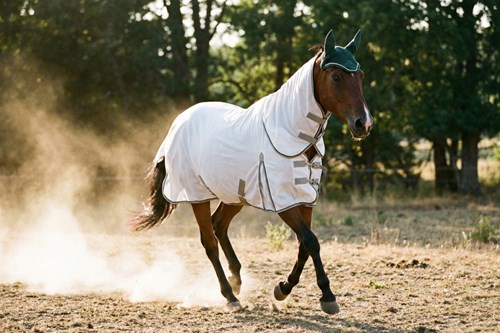
- Action: A thick fleece is not used in the summer. Instead, cooler based on the season selection comes into play: Thin, highly breathable coolers with mesh or anti-fly features are preferred. Its purpose is not to warm the horse, but to support the controlled evaporation of moisture by providing air circulation and to protect the horse from flies in the meantime.
Most Common Mistakes in Cooler Usage
- Leaving a Wet Cooler on the Horse: It is the most dangerous mistake. A cooler that does its job and absorbs sweat gets wet after a while. If this wet fabric stays on the horse for hours, this time it starts to cool the horse and make it catch a cold. A cooler is a "drying" equipment, not a "waiting" equipment.
- Covering a Sweaty Horse with a Winter Rug: Most standard winter rugs do not have wicking technology. When put directly on a sweaty horse, it creates a greenhouse effect inside, and the horse remains wet and cold with its own sweat. It must first be dried with a cooler, then switched to the winter rug.
- Thinking It Is Only Used in Winter: Horses can also experience muscle stiffness in the summer. A sweaty horse waiting in a windy corridor in the summer months can get sick just as fast as it gets cold in the winter.
Frequently Asked Questions (FAQ)
1. How long should the cooler stay on the horse or pony?
This duration depends on the sweat intensity and air temperature, but it generally takes between 20 to 45 minutes. The rule is simple: Slide your hand under the rug; if the horse's coat has dried and the outside of the rug is damp, it means it is time to remove the cooler.
2. What is the difference between a fleece cooler and a mesh cooler?
Fleece and wool coolers are designed to hold the heat inside and wick the sweat out in cold weather. Mesh coolers, on the other hand, provide a cooling airflow in hot summer months while helping the sweat evaporate rapidly.
3. Should I still use a cooler if my horse didn't sweat at all during training?
If the weather is very cold or windy, the horse's warm back comes into contact with the cold air the moment you remove the saddle. To soften this sudden temperature change, it is beneficial for muscle health to cover a thin cooler until returning to the stable.
4. Will a wet cooler make the horse catch a cold?
Absolutely yes. A cooler absorbs sweat like a sponge. When it reaches its saturation point and becomes completely wet, it starts transmitting the cold outside air directly to the horse's skin through the wet fabric. It must be replaced with a dry rug as soon as the drying process is finished.
5. Can I put a large horse cooler on my pony?
No, it should not be put on. Because the chest buckles will not fit on the pony's shoulders, the rug will slide back, and the dangling parts can get tangled in its legs, leading to panic and accidents. Furthermore, the loose fabric renders the sweat absorbing (wicking) function useless by creating an air gap.
Remember; the long-term muscle health of your horse or pony depends on the technical care you show from the moment you dismount the saddle. A cooler used at the right time and in the right weather conditions is not a simple blanket, but an invaluable investment you make in your partner's performance and welfare.