DESIGNED BY RIDERS, FOR RIDERS


Saddle Pad Selection: Fit and Performance Beyond Patterns
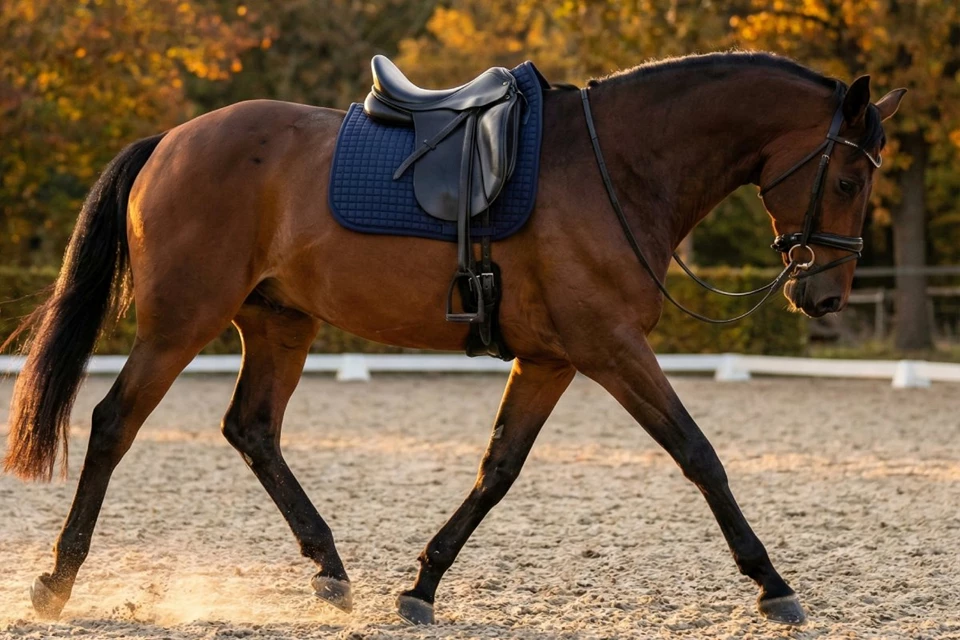
When a new season starts in the equestrian world, it is almost impossible not to get caught up in the colorful saddle pad collections adorning the shop windows. However, the saddle pad, one of the most aesthetic parts of equestrian fashion, is actually a critical piece of technical equipment that directly affects your horse's back health. A wrongly chosen pad, no matter how stylish it looks, can create pressure on the horse's withers, cause stiffness in the back muscles, and lead to poor performance. At Cavalier San Marco, we have compiled the technical criteria you need to make your choice based on "anatomy" rather than pattern.
1. Size and Fit: The Importance of Anatomical Cut
The most important duty of a saddle pad is to create a protective barrier between the saddle and the horse's back. However, this barrier must not apply pressure to the spine line.
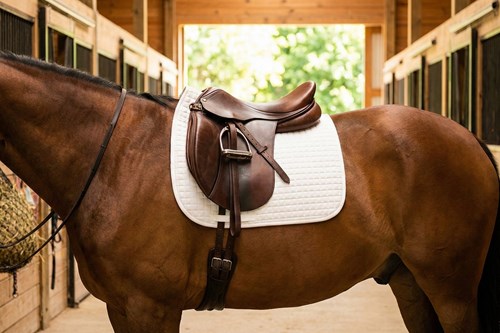
- Wither Clearance: A quality saddle pad should not touch the horse's withers bone; it must create a tunnel gap in that area with a "high-wither" cut. Straight-cut pads collapse under the weight of the saddle and apply pressure to the horse's most sensitive point.
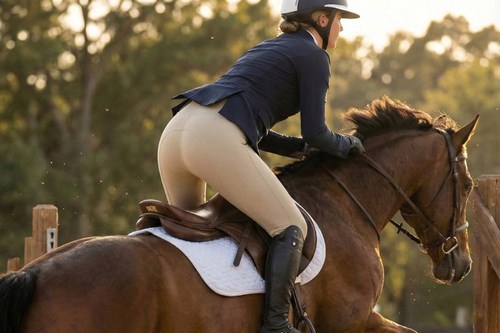
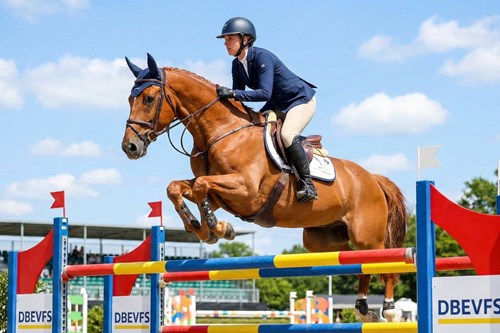
- Cut by Discipline: Jumping saddles have forward-curved flaps, while Dressage saddles have long and straight flaps. Choosing the cut suitable for your saddle type when buying equestrian equipment prevents the pad from slipping and bunching up.
2. Filling Type and Shock Absorption
The filling of the pad is the suspension system that absorbs the rider's weight. However, the perception that "thicker is always better" is wrong.
- Thin and Technical Fillings: If your saddle fits your horse perfectly (custom fit), a very thick pad can cause the saddle to become too tight. In this case, high-density but thin-structured technical fillings should be preferred.
- Memory Feature: Quality fillings return to their old form after use. Fibers that flatten quickly lose their protective properties after a few uses.
3. Friction Control and Sweat Management
The horse's back sweats intensely during training. It is vital for the saddle pad material to manage this sweat.
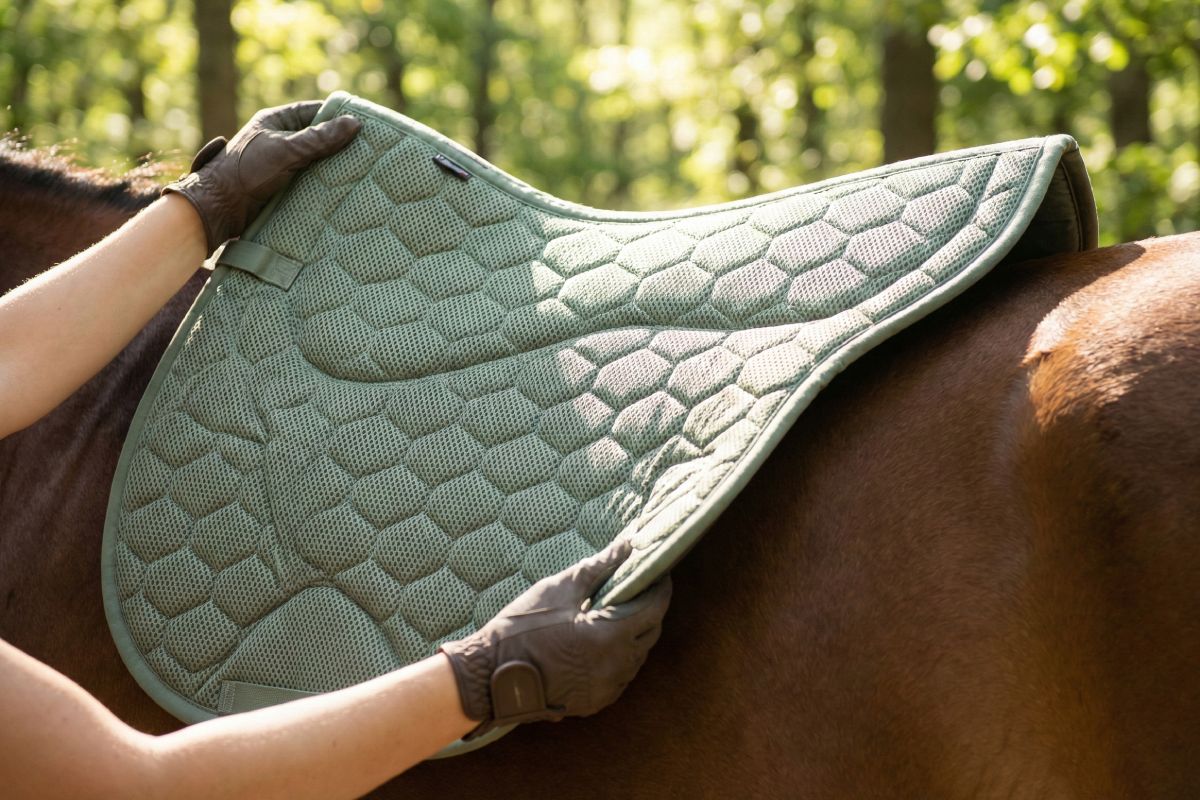
- Honeycomb Texture and Bamboo Lining: Instead of cotton surfaces that absorb and trap sweat, bamboo-blended or honeycomb-textured linings that wick moisture away should be preferred. A pad that stays wet increases the friction coefficient, leading to skin irritation or friction sores on the horse's back.
- Anti-Slip: The outer surface of the pad should grip the saddle, while the inner surface should remain stable without damaging the horse's hair.
4. Critical Distinction: Horse vs. Pony Saddle Pads
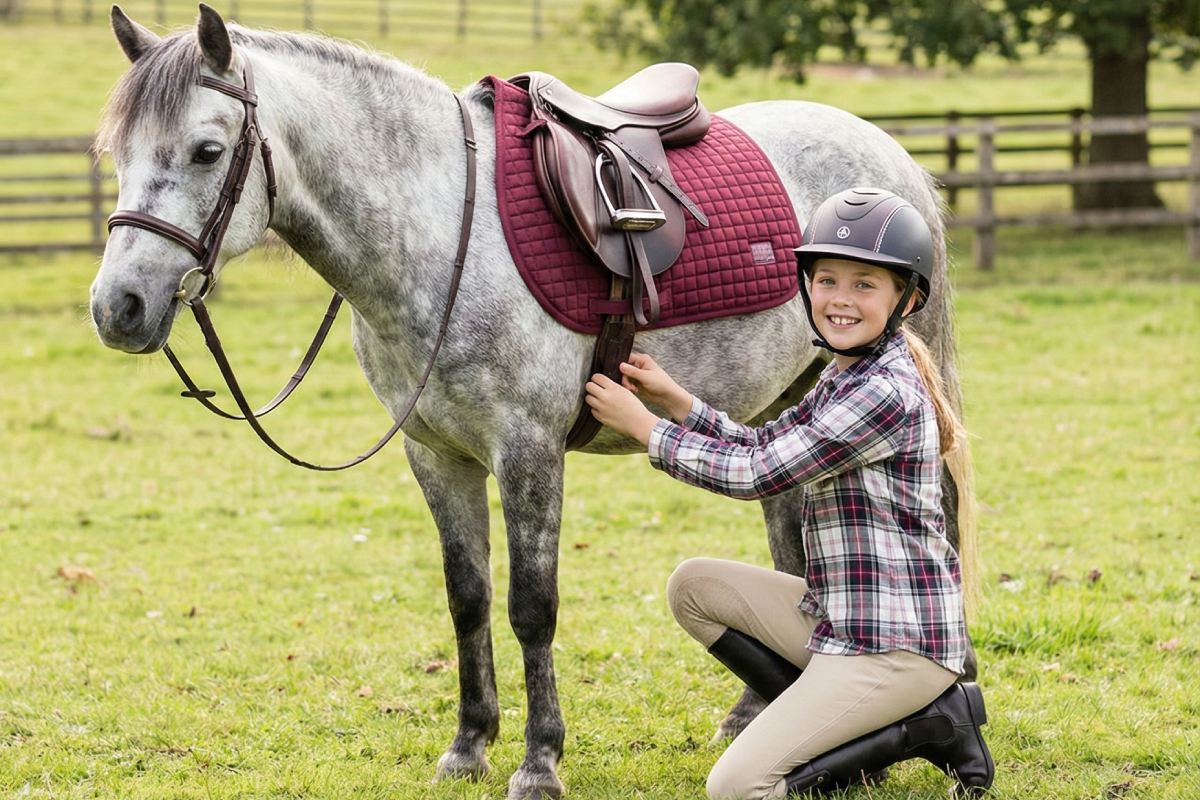
One of the common mistakes is trying to use a "Full" (Horse) size pad on a "Cob" or "Pony" size horse.
- Why is it Important?: An oversized horse saddle pad unnecessarily covers the pony's croup (kidney) area, causing heat accumulation. Additionally, the excess fabric remaining under the saddle folds creates pressure points.
- Pony Saddle Pads: Designed specifically for pony anatomy with a shorter back line and smaller flap depth. This also helps young riders improve their leg contact.
The right saddle pad is the biggest investment you can make in your horse's comfort. You can examine our anatomical collections that combine aesthetics and technique according to your discipline and your horse's size:
- Horse Saddle Pad Collection – Full size, anatomical high-wither cut, and breathable models.
- Pony Saddle Pad Series – Designs sized specifically for young riders and ponies.
Remember, a happy back means a willing horse.