DESIGNED BY RIDERS, FOR RIDERS


How to Dress Your Horse for Winter: Fleece vs Paddock Rugs Explained
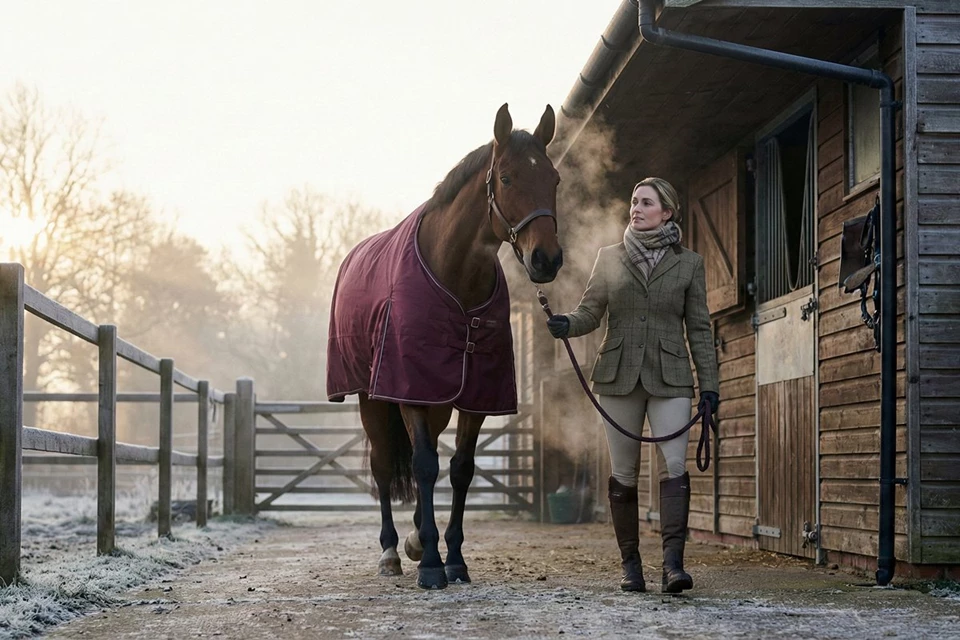
Winter brings rain, mud, and freezing temperatures. As a rider, you put on a waterproof coat. But what about your horse? Choosing the right horse rug (blanket) is essential for their health. Beginners often confuse the different types of rugs available. Using the wrong one can lead to overheating, chills, or skin infections.
The two most common essentials in a winter tack room are the Fleece Rug and the Paddock Rug (Turnout). They look different, feel different, and serve opposite purposes. This guide explains exactly when to use each.
The Fleece Rug: The Moisture Manager
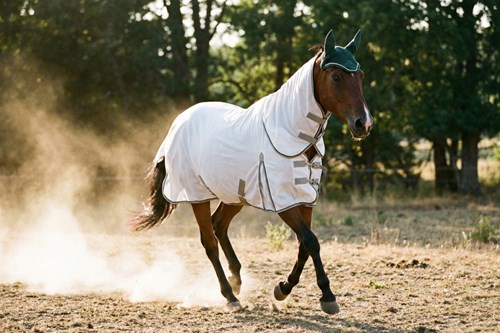
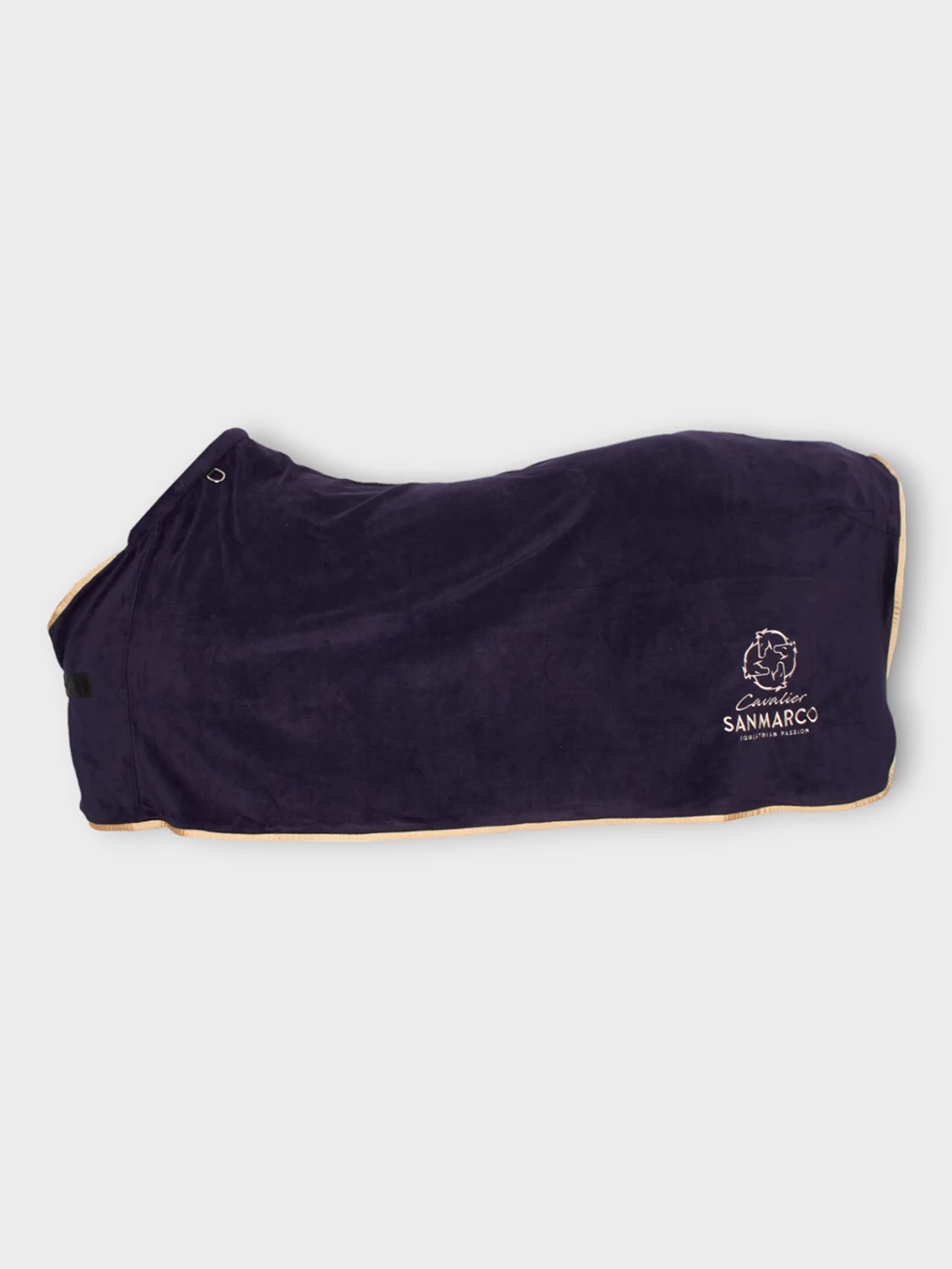
A fleece rug (often called a "cooler") is soft, breathable, and made from synthetic fibers. It is primarily an indoor rug.
Function: Wicking Away Sweat
Horses grow thick winter coats. When they exercise, they sweat under that hair. If you leave a wet horse in a cold stable, he will catch a chill. The fleece rug's job is wicking. It pulls moisture from the horse's skin to the outside of the rug. The sweat evaporates, leaving the horse dry and warm.
When to Use It?
- After Exercise: Use it to dry your horse while walking him out.
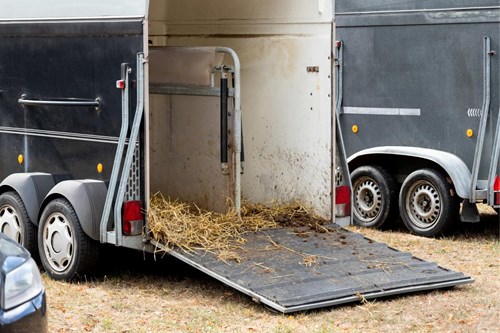
- During Transport: It protects the horse from drafts in the trailer without overheating him.
- Under a Stable Rug: On very cold nights, it acts as a base layer for extra warmth.
Expert Tip (The Straw Test): Never leave a fleece rug on overnight without checking. Straw and shavings stick to fleece like a magnet. This creates lumps that irritate the horse's skin when he lies down. Always brush the inside of the rug before use.
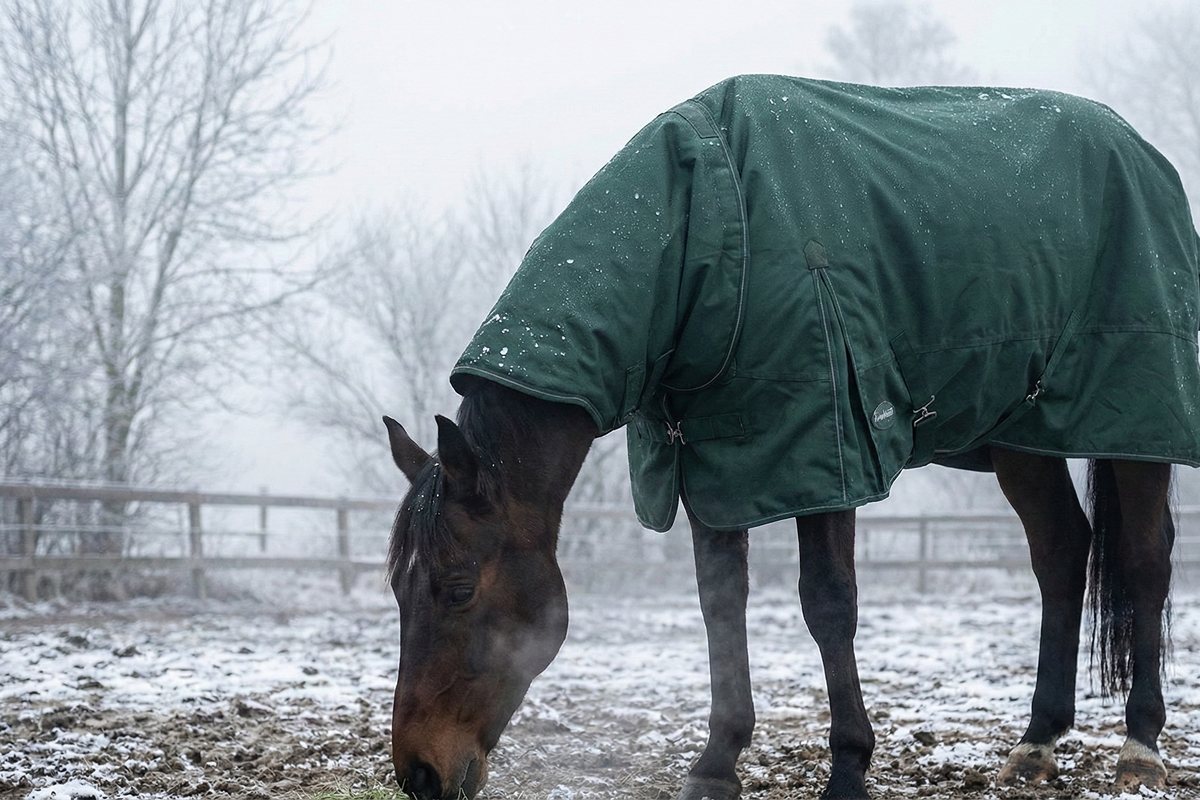
The Paddock Rug: The Outdoor Shield
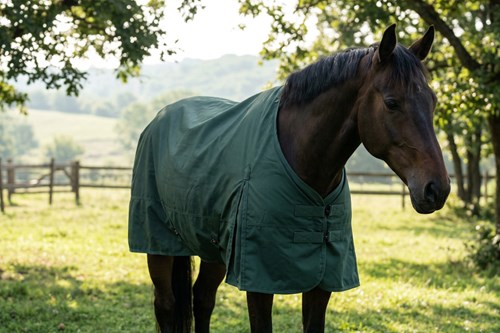
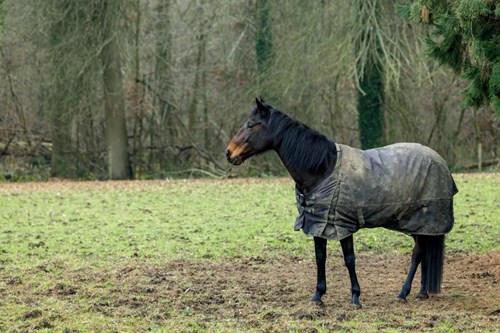
A paddock rug (or turnout rug) is the heavy-duty armor. It is designed for the field. It protects the horse from wind, rain, and snow.
Function: Waterproof Protection
Unlike fleece, a paddock rug has a tough, waterproof outer shell. The material strength is measured in Denier (D). A higher number (e.g., 1200D) means the fabric is stronger and harder to tear.
When to Use It?
- Turnout: Anytime the horse goes outside in the field.
- Wet Conditions: Even if it is not freezing, a waterproof sheet prevents rain scald (a skin infection caused by constant dampness).
Warning (Safety First): Never use a fleece rug outside in the rain. Fleece absorbs water like a sponge. It will become heavy, cold, and wet against the horse's spine, causing severe muscle stiffness. Only paddock rugs belong outside.
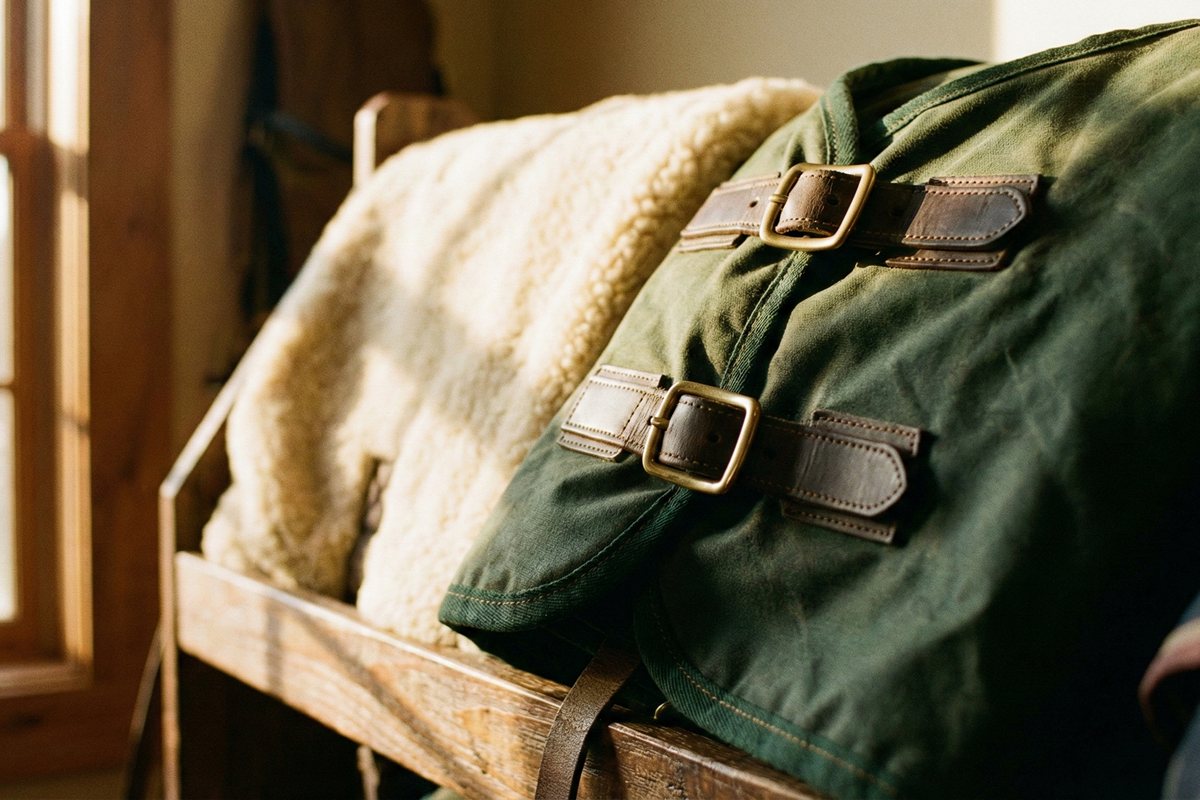
Key Differences at a Glance
Use this table to pick the right gear.
|
Feature |
Fleece Rug (Cooler) |
Paddock Rug (Turnout) |
|
Material |
Soft Synthetic Wool |
Waterproof Nylon/Polyester |
|
Waterproof? |
No (Absorbs moisture) |
Yes (Repels water) |
|
Breathability |
Very High |
Moderate |
|
Primary Use |
Drying sweat, Travel, Layering |
Outdoor protection |
|
Durability |
Low (Tears easily) |
High (Rip-stop technology) |
Ensuring the Perfect Fit
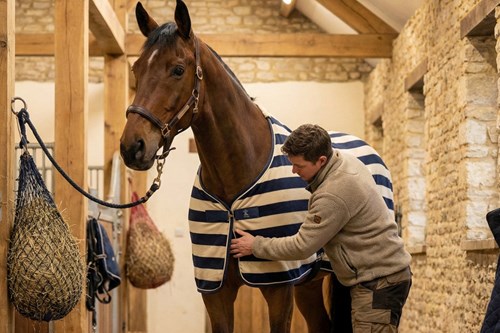
A rubbing rug causes hair loss and sores.
- Shoulders: The rug should sit forward of the wither but allow shoulder movement.
- Surcingles (Straps): Cross the belly straps. You should fit a hand's width between the strap and the belly. Too loose, and the horse can get a leg caught. Too tight, and it rubs.
Understanding your equipment is part of good horsemanship. Use fleece to dry and comfort; use paddock rugs to protect and shield. With the right choice, your horse will stay happy and healthy all winter long.