DESIGNED BY RIDERS, FOR RIDERS


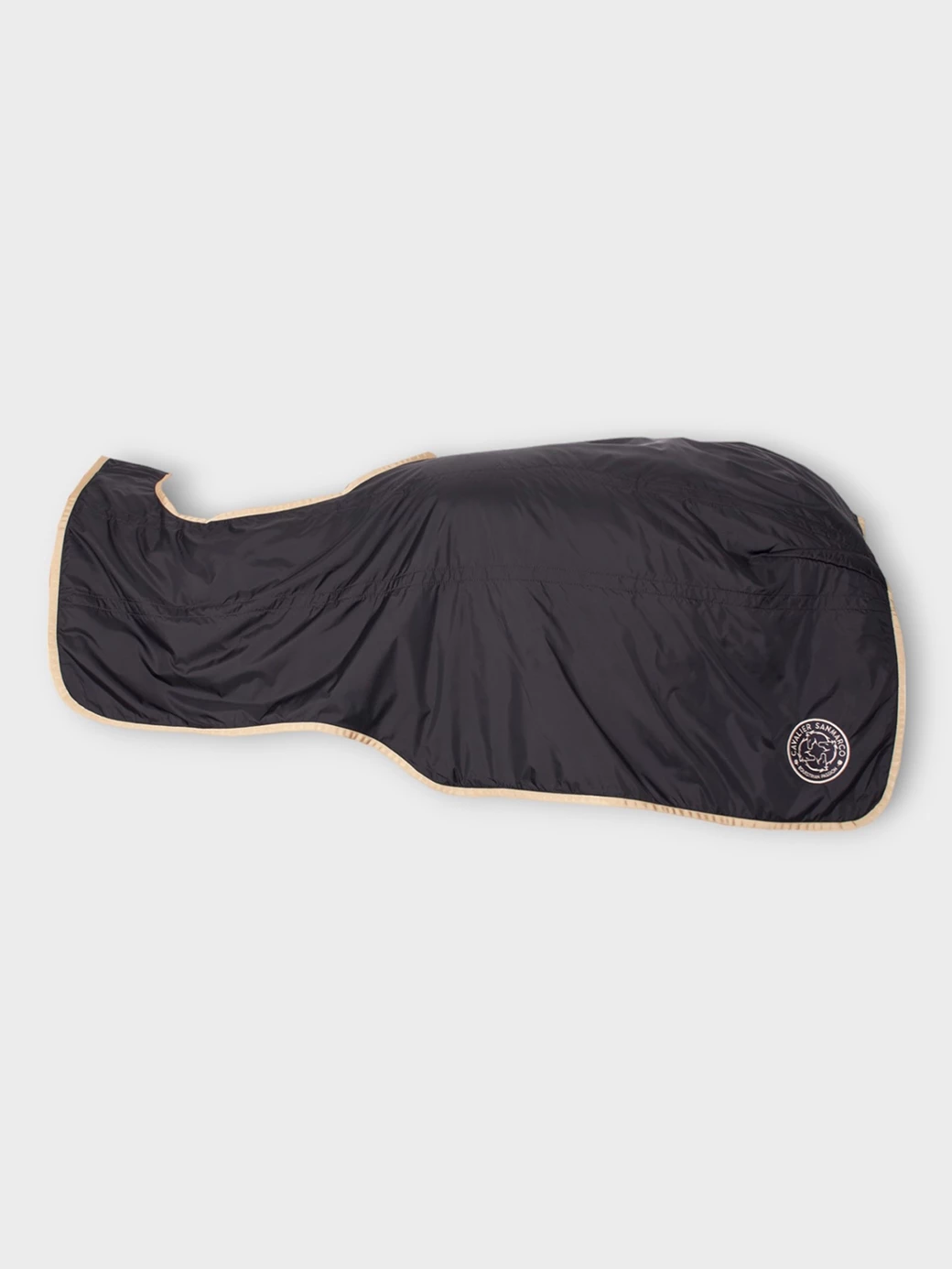
Turnout or Stable? 7 Criteria for Choosing the Right Horse Rug
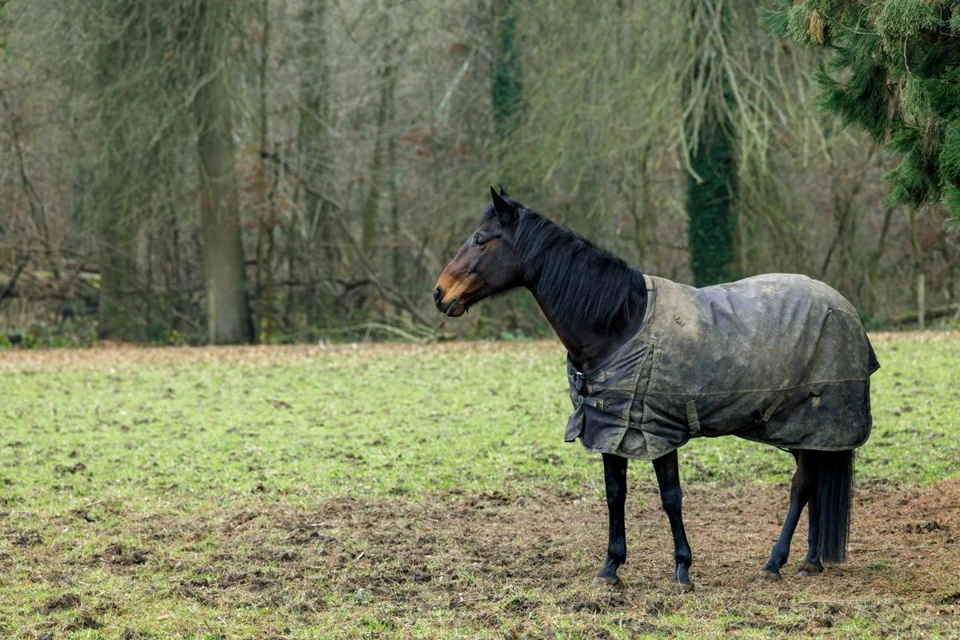
That "moment" happens to all of us. You're standing in the tack room, surrounded by all sorts of rugs, and you suddenly find yourself wondering: "Okay...which one does my horse really need today?" That split second pause of chaos is when the weather forecast, your horse's coat and yesterday's muddy mess run together in your mind.
Now let's look at each of the seven criteria that count. If an occasional sentence wanders a bit...well, that's life.
1. Weather/Rain Exposure
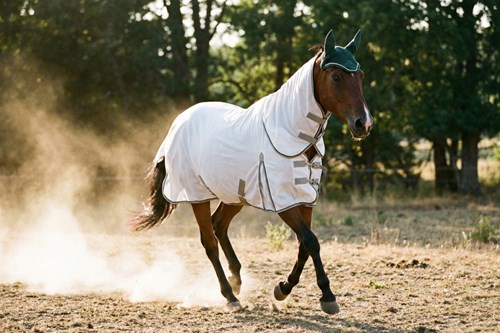
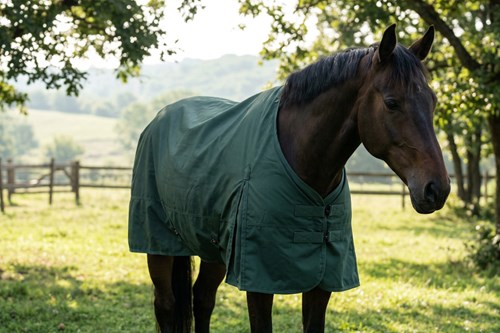
Weather is the first criteria to check before selecting a rug for your horse if your horse spends considerable amounts of time outside. Mud, rain, wind...the occasional sideways rain when you least want it...all this is where the turnout rugs will win out.
Waterproof, turnaround rugs typically have a rating of around 3,000mm to 5,000mm. This essentially means that they can withstand a lot of bad weather for a long time. Not too bad considering what we put our horses' rugs through.
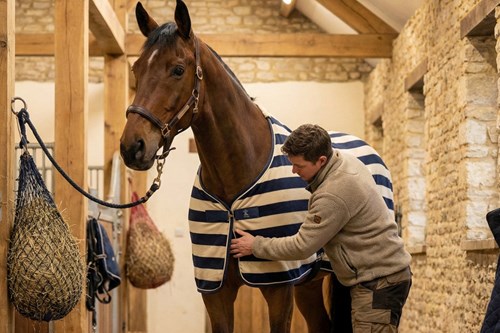
On the other hand, stable rugs are not water resistant at all. Any kind of light drizzle will quickly turn a stable rug into a cold, heavy sponge. Therefore, if you envision any amount of wetness, mistiness or vagueness...turnout is your best option.
2. Your Horse's Routine
Your horse's daily schedule may seem elementary; however, it is a common area people tend to overlook. The amount of time spent in the pasture, the frequency of moving back and forth between the indoor and outdoor environments and the number of hours spent indoors due to barn regulations or training programs are all part of a horse's daily routine.
- Outdoor-loving horses → turnout
- Mainly stabled horses → stable rug
- Mixed routine horses → Usually turnout during the day, stable at night
As a result, the more time a horse spends outdoors...the tougher the rug has to be. Indoor rugs breathe much better because the indoor environment holds more heat.
One rug cannot possibly cover both environments equally well, although many owners attempt to do so, often with limited success.
3. Material Toughness (Denier)
Denier (D) measures how tough the exterior fabric of a rug is.
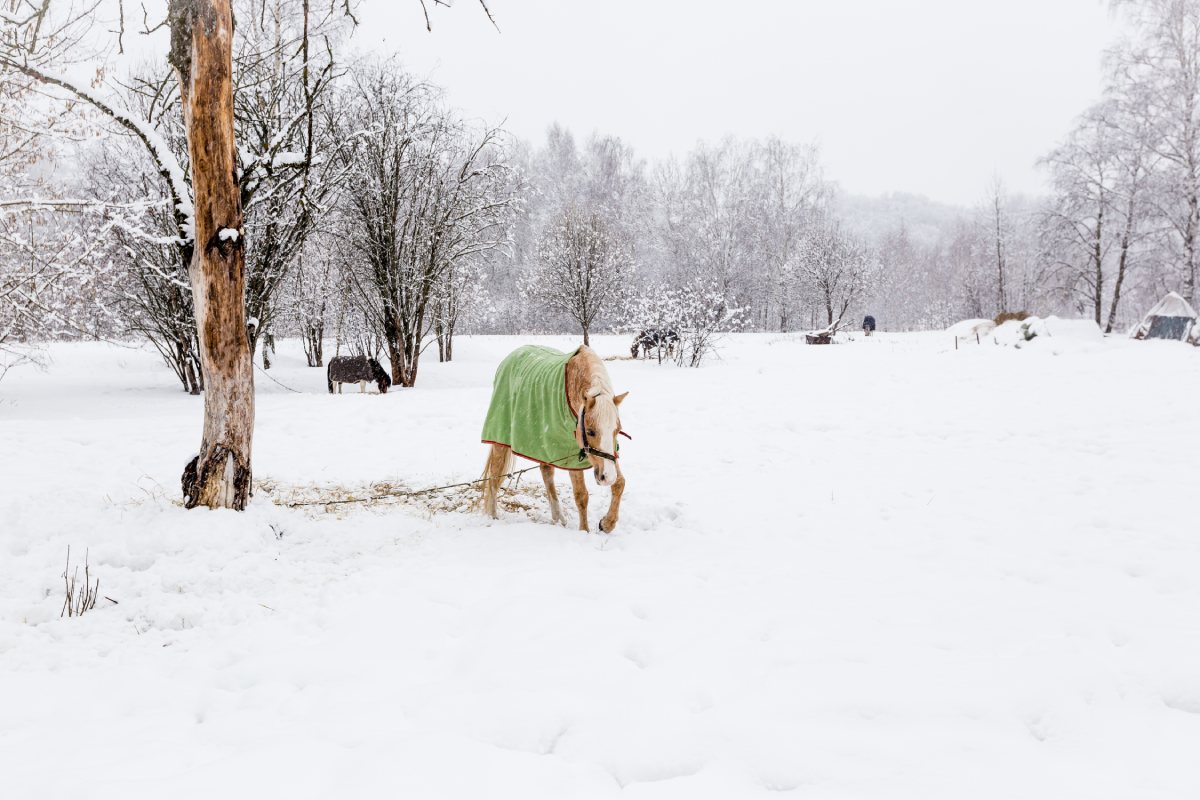
Turnouts are generally made of a material that falls somewhere in the range of 1200D-1680D and was designed to withstand the rigors of outdoor life, including leaning against fences and performing various acrobatic feats when no one is looking.
Indoor rugs, on the other hand, are made of softer, lighter materials (300D-600D) that were designed to be soft and comfortable.
Using an indoor rug outdoors is similar to wearing silk slippers in the rain...beautiful in theory...a nightmare in reality.
4. Insulation (Fill Weight)
Many riders overestimate the amount of warmth their horse needs. Some horses will sweat under a medium-weight rug while others will shiver under a heavy rug. All of it is dependent upon the type of coat the horse has, whether the horse is clipped and/or the horse's personality (some horses are drama queens regarding cold).
Here is a simple method to determine fill weight:
- 0 grams - Only protects against rain
- 50-100 grams - Mild cold
- 150-200 grams - Cold days/clipped horses
- 250-300 grams - True winter weather
In general, clipped horses require more insulation than unclipped horses. In addition, a large cobby horse may be able to maintain perfect warmth with a fraction of the weight of another horse.
Nature certainly favors some horses more than others.
5. Fit/Anatomy
Regardless of how technically advanced a rug is...if the rug does not fit the horse correctly, the rug will not provide comfort.
When checking for fit, inspect:
- Shoulder width
- Wither height
- Back length
- How freely the horse can move
Turnouts have more room for shoulder movement and are typically shaped with gussets, since horses move more when they are outdoors. Indoor rugs are simpler and softer.
Thin areas of hair on the horse's shoulders or stiffness in the horse's movements may indicate poor fit rather than poor climate.
6. Breathability
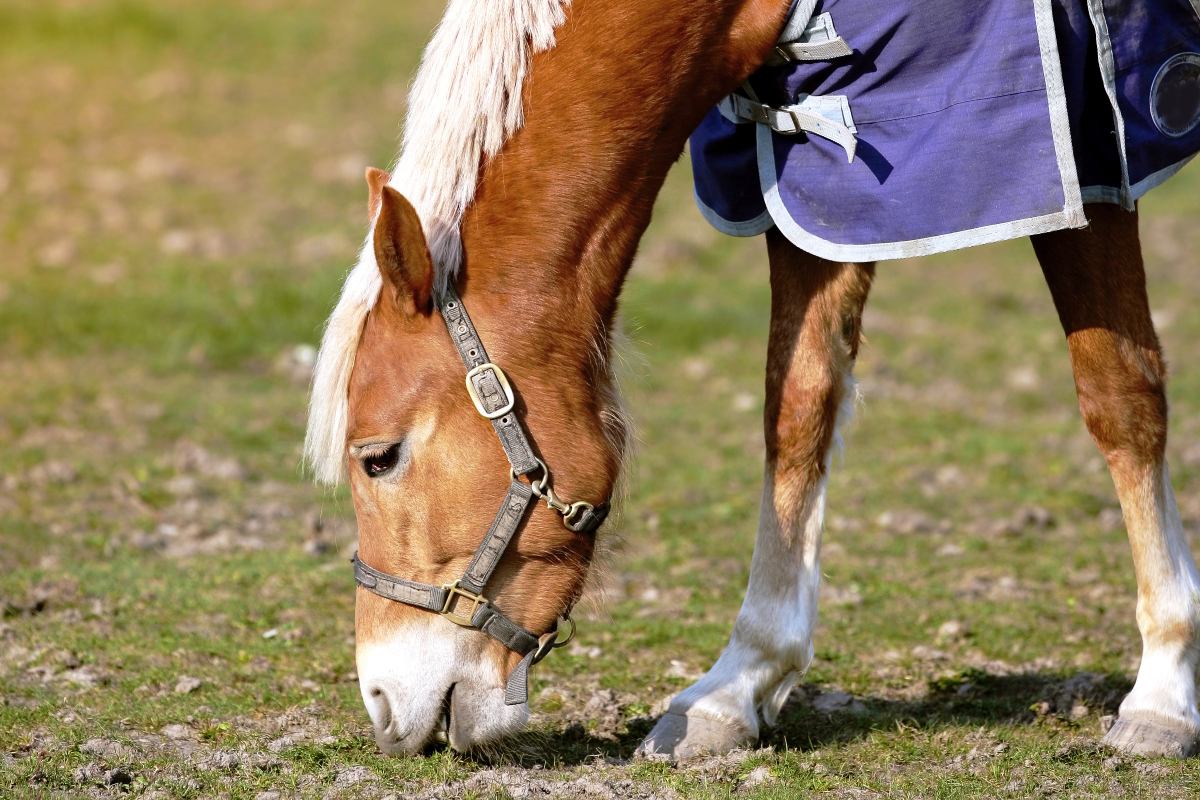
Breathability is critical for indoor use or for use in cooler/more temperate weather. Horses generate heat more rapidly than people realize.
Since indoor rugs allow for excellent airflow, they prevent excessive sweating in enclosures. Turnout rugs strive to achieve a balance between breathability and water resistance, but they will never be as free-flowing as indoor rugs.
A horse that tends to sweat a lot or has a thick coat may prefer a rug that provides greater ventilation, regardless of temperature.
7. Hardware/Safety Devices
Chest buckles, belly straps, leg straps and tail cords...these small parts have a bigger impact than most people imagine. Horses are wonderfully adept at destroying objects...often unintentionally.
Turnouts typically feature more robust hardware than indoor rugs since outdoor conditions are harsher. Indoor rugs are generally lighter since they do not contend with the elements.
If your horse often comes in "half-dressed" or "tangled up"...stronger closures are not a luxury...they are a necessity.
Picking Without Over-Thinking
After you understand these seven factors...choosing the correct rug for your horse is significantly less of a shot-in-the-dark. Instead of determining which rug your horse needs based on the month ("November...so I need X"), you will begin to think about your horse's day-to-day needs.
Will it be rainy? → turnout
Is it going to be dry and indoors? → stable rug
Is your horse clipped? → Add warmth
Does your horse tend to sweat? → Prioritize ventilation
It begins to make sense, gradually.
Frequently Asked Questions - Brief Answers for Busy Riders
Can I use a turnout rug indoors?
Yes, but it's not the optimal choice. Less breathable, heavier.
Can I use a stable rug outdoors?
No. Light rain alone will soak it.
Do clipped horses always need heavier rugs?
Almost always, yes.
Is higher denier always better?
Yes, for turnouts. No, for stable rugs. Comfort should be considered more than raw strength.
What fill weight do most riders choose?
Somewhere in the middle (between 100-150 grams), which is suitable for many climates...plus-minus.
One Final Note Before You Rug Your Horse
Subtle cues are how horses tell us they are comfortable. It can be a sigh, shifting their body weight or relaxing when they are placed in the "proper" rug. Pay attention to signs like those...they are likely telling the truth.
Ultimately, that's exactly what we want...not perfect...just a horse that is comfortable in its own skin...and in its rug.