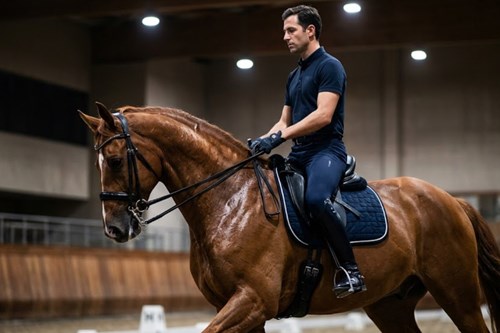
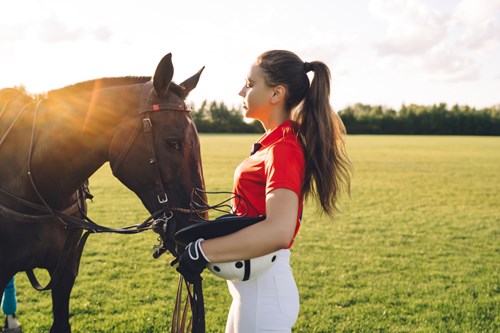
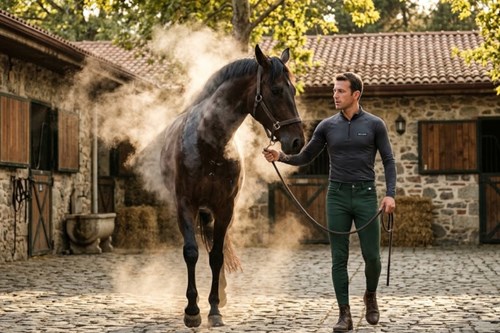
DESIGNED BY RIDERS, FOR RIDERS


Fit and Comfort: Problems Caused by Incorrect Sizing in Upper Equipment (Vest/Layer)
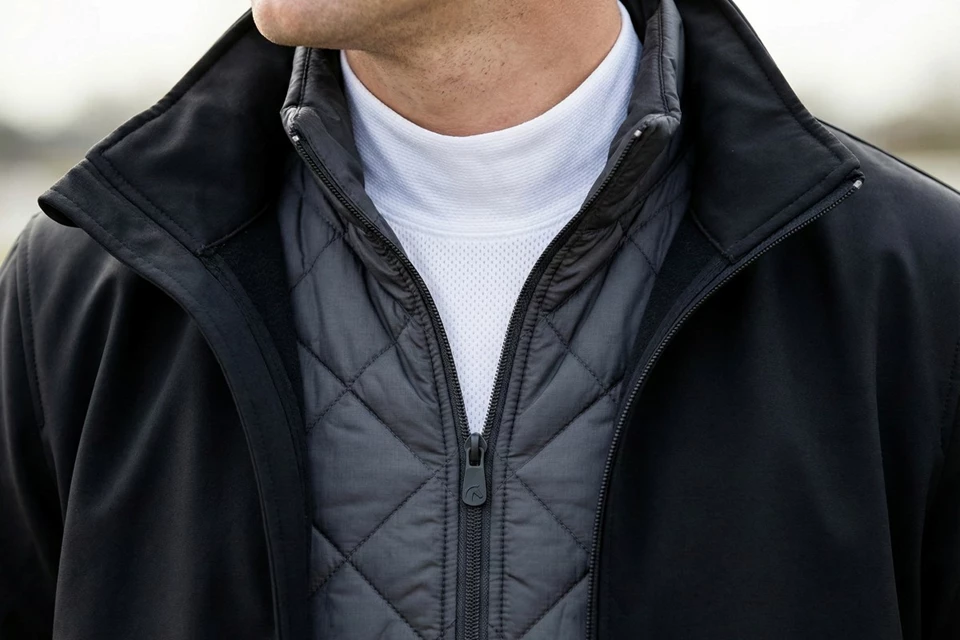
Although horse riding may appear to be a static posture from the outside, it is actually a highly dynamic sport where every muscle in the body works with millimetric commands. Your balance in the saddle, your rein control, and your silent communication with your horse depend not only on your skill but also on how much your equipment "allows" you to move. In particular, the upper equipment fit of items like vests, jackets, or technical tops is an often overlooked but decisive factor in performance.
Most riders focus solely on color or protection when choosing equipment. However, incorrect equestrian sizing choices made with the logic of "let it be a size bigger for winter layering" or "let it be tight to look fitter" can lead to technical problems during training that are difficult to compensate for.
In this comprehensive guide, we examine the "invisible" costs of incorrect sizing, the formulas for taking correct measurements, and how to combine pieces effectively.
"Invisible" Effects of Wrong Size on Performance
Incorrectly selected upper equipment can turn into an enemy fighting against you throughout your training. Here are the 3 fundamental problems caused by the wrong size:
1. Restricted Range of Motion
In riding, shoulders, arms, and the waist must work independently but in coordination.
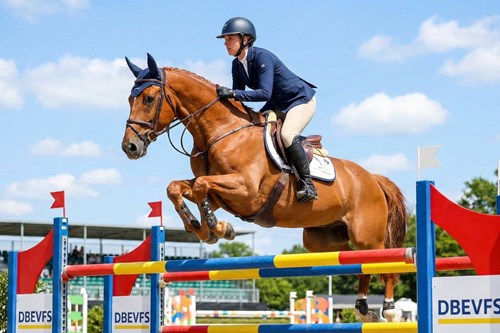
- Tight Fit: If the vest or jacket you are wearing is tight across the shoulders, the back section tightens when you extend your arms forward (for example, when releasing the horse over a jump or during an extended trot in dressage). This tension locks your shoulders and causes you to lose the sensitivity (softness) of your hands.
- Loose Fit: An overly loose garment distracts you by inflating with the wind. Worse, fabric folds can disrupt your contact with the saddle and affect your seating depth.
2. Disruption of Heat Management (Thermoregulation)
Technical clothing is designed to regulate body temperature. However, this technology only works with the correct fit.
- Air Gap Problem: If the equipment does not fit your body properly, excessive air gaps remain between the fabric and your skin. This prevents sweat from being absorbed and wicked away by the fabric. Cold air gets in, and your sweat cools on you.
- Circulation Problem: Very tight clothes slow down blood circulation and destroy the micro-air circulation that allows sweat to evaporate. The result is a rider who gets cold in winter, sweats excessively in summer, and fatigues quickly.
3. Friction and Safety Risk
The bunching of a loose vest under the armpits or near the zipper creates friction (chafing) with every arm movement. Additionally, dangling fabrics or overly long sleeves carry the risk of snagging on branches or getting caught in equipment, which is a serious threat to riding comfort and safety.
Taking Measurements and the "Riding Test" for the Right Fit
To achieve the perfect vest size or jacket fit, be sure to apply this 4-step test in the fitting room or at home:
Step 1: Shoulder Seam Reference
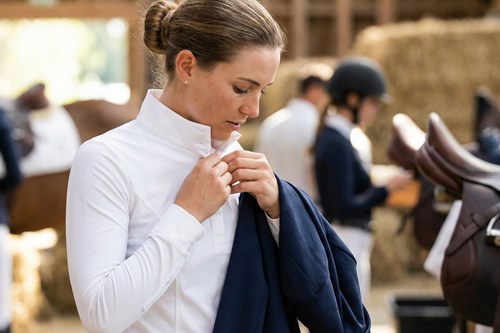
The shoulder seam of the jacket or vest should be exactly at the point where your shoulder ends (the tip of the clavicle). If the seam is close to your neck, the item is too small; if it falls towards your arm, it is too big.
Step 2: Zipper and Chest Capacity
Close the zipper completely and take a deep breath. Does the fabric squeeze you when your rib cage expands? Or is there a large gap (bunching) in the front? The ideal fit is a structure that slightly hugs you when you take a deep breath but never constricts you.
Step 3: Critical "Riding Posture"
Equestrian clothing is designed for riding, not for standing still.
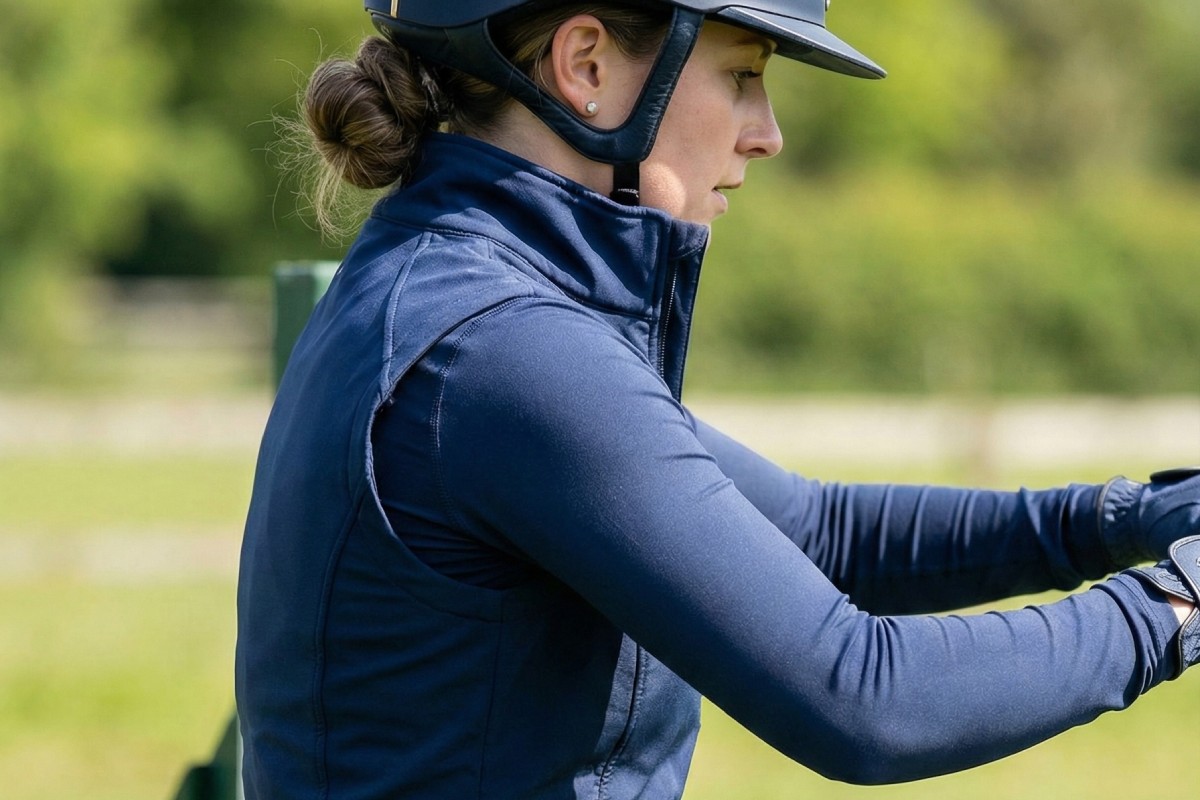
- Extend your arms forward (as if holding reins).
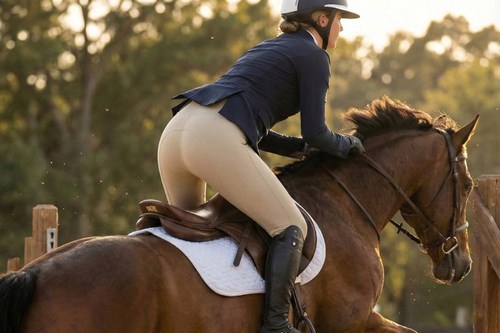
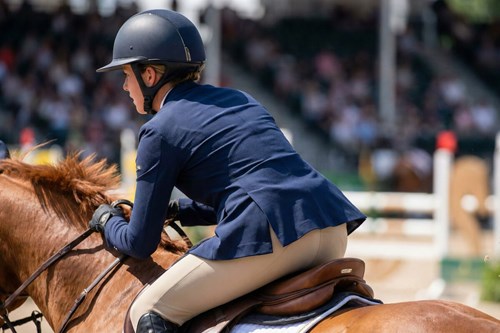
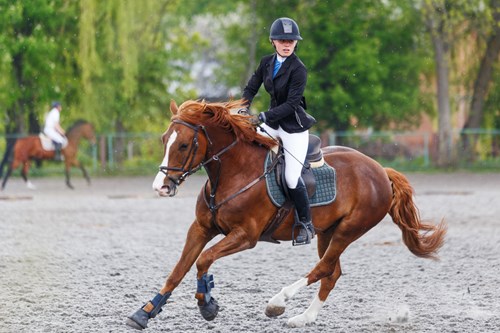
- Round your back slightly (jumping position/2-point seat).
- Is there excessive tension in your back in this position?
- Do the sleeve cuffs ride up too high above your wrists?
- Does the hem of the vest catch on the back of the saddle (cantle)?
Step 4: Layering Allowance
If you are trying on a winter jacket, ensure there is minimal allowance left for equestrian rider apparel layering (vest or thick fleece) underneath.

Conclusion: Don't Fight Your Body
Finding the right size is a performance investment beyond comfort. Choosing pieces best suited to your body type and discipline allows you to focus entirely on your horse in the arena. Remember, equipment that fits you perfectly is equipment that feels like it isn't there.
Do not restrict your freedom of movement; wear your potential.