DESIGNED BY RIDERS, FOR RIDERS


Waterproof vs Water Repellent in Equestrian Textiles: How to Read the Labels
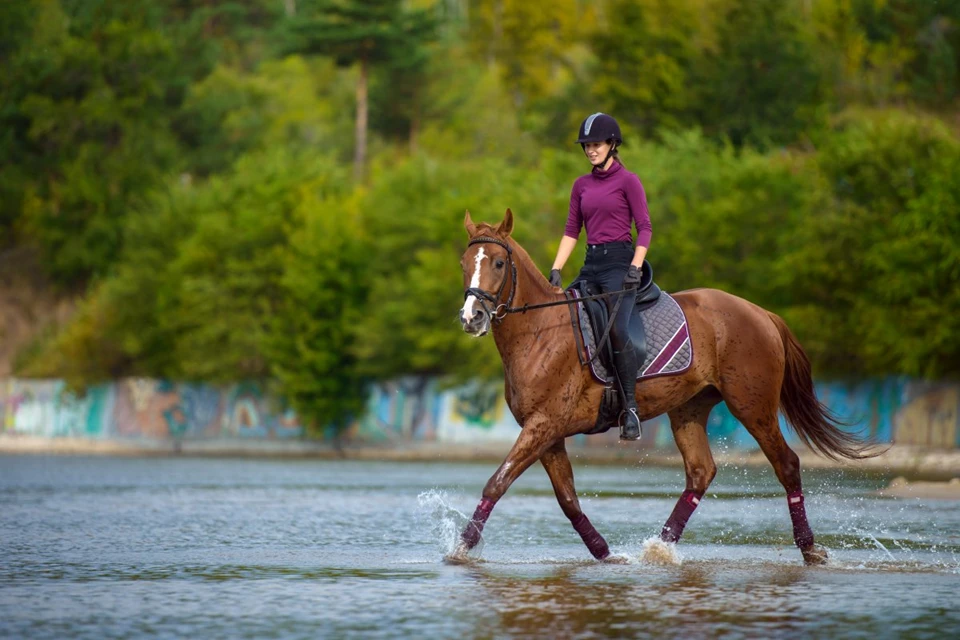
Rain often arrives without much warning. Sometimes it happens in the middle of a warm-up, sometimes on a long hack when the sky suddenly turns grey. In these moments, the performance of a jacket, breeches or outer layer depends almost entirely on two words printed on the label: water repellent or waterproof. These terms appear similar at first glance but behave very differently in real conditions.
This guide is written for riders and stable managers who rely on clear, practical explanations rather than vague promises on hang tags. The tone is precise yet natural, with small imperfections here and there - much like the way experienced riders discuss equipment around the stable.
1. What “Water Repellent” Actually Means
A water-repellent fabric is treated with a special coating, commonly known as DWR. This coating helps water bead on the surface rather than soaking in, but the effect is temporary.
Water-repellent behaviour performs reasonably well in:
- light rain,
- short outdoor sessions,
- daily stable work,
situations where breathability matters more than complete protection.
However, it does not seal out water. Once the coating begins to fade or the rain becomes more intense, moisture gradually penetrates the fabric. Rubbing, washing, heat exposure and frequent use all weaken the coating over time.
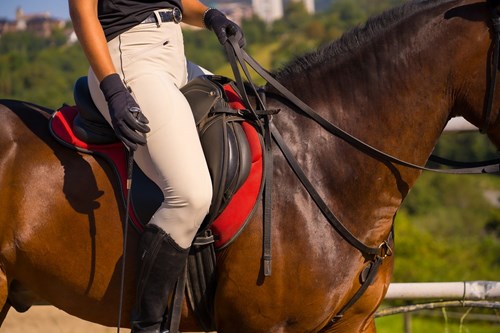
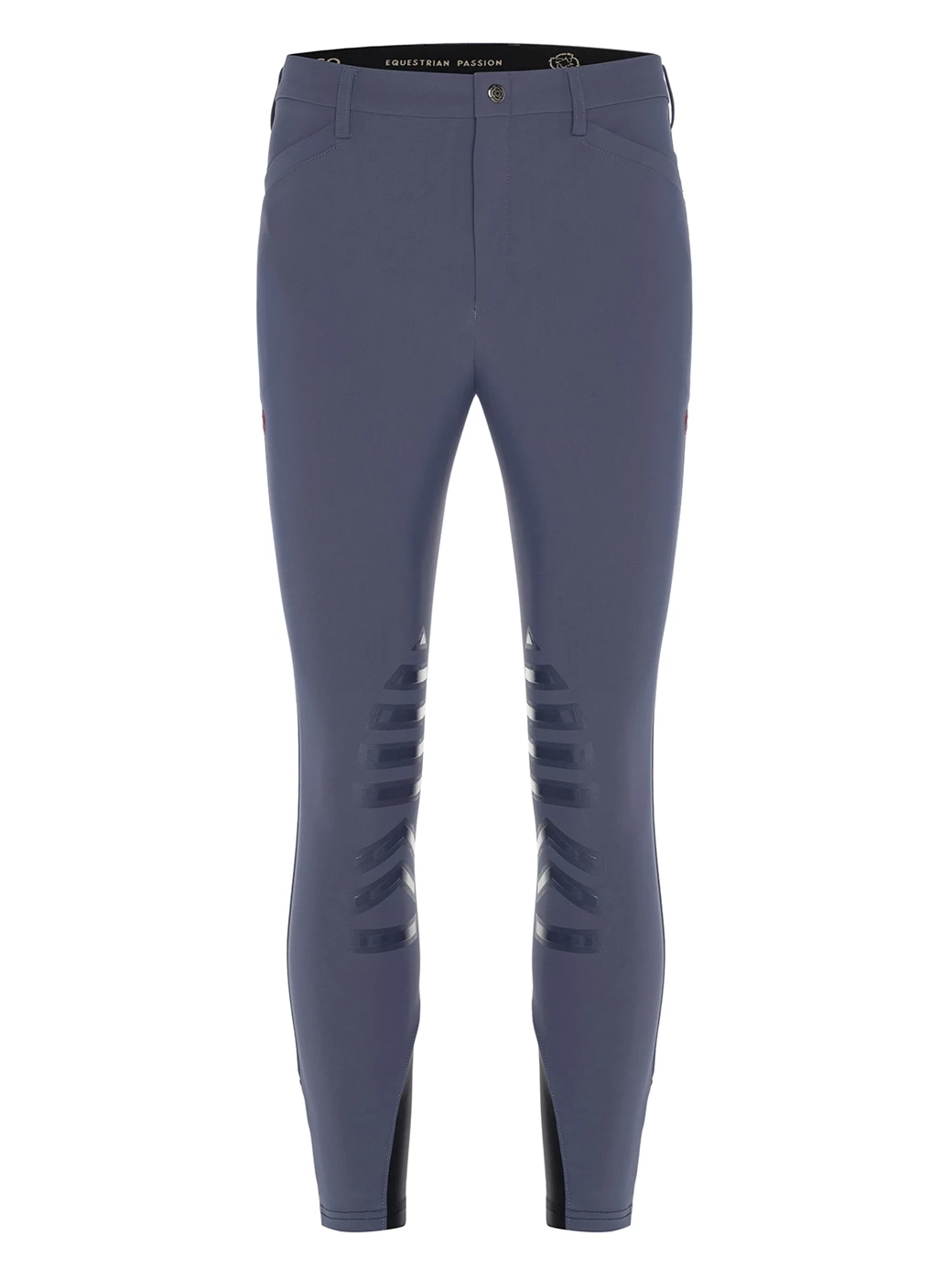
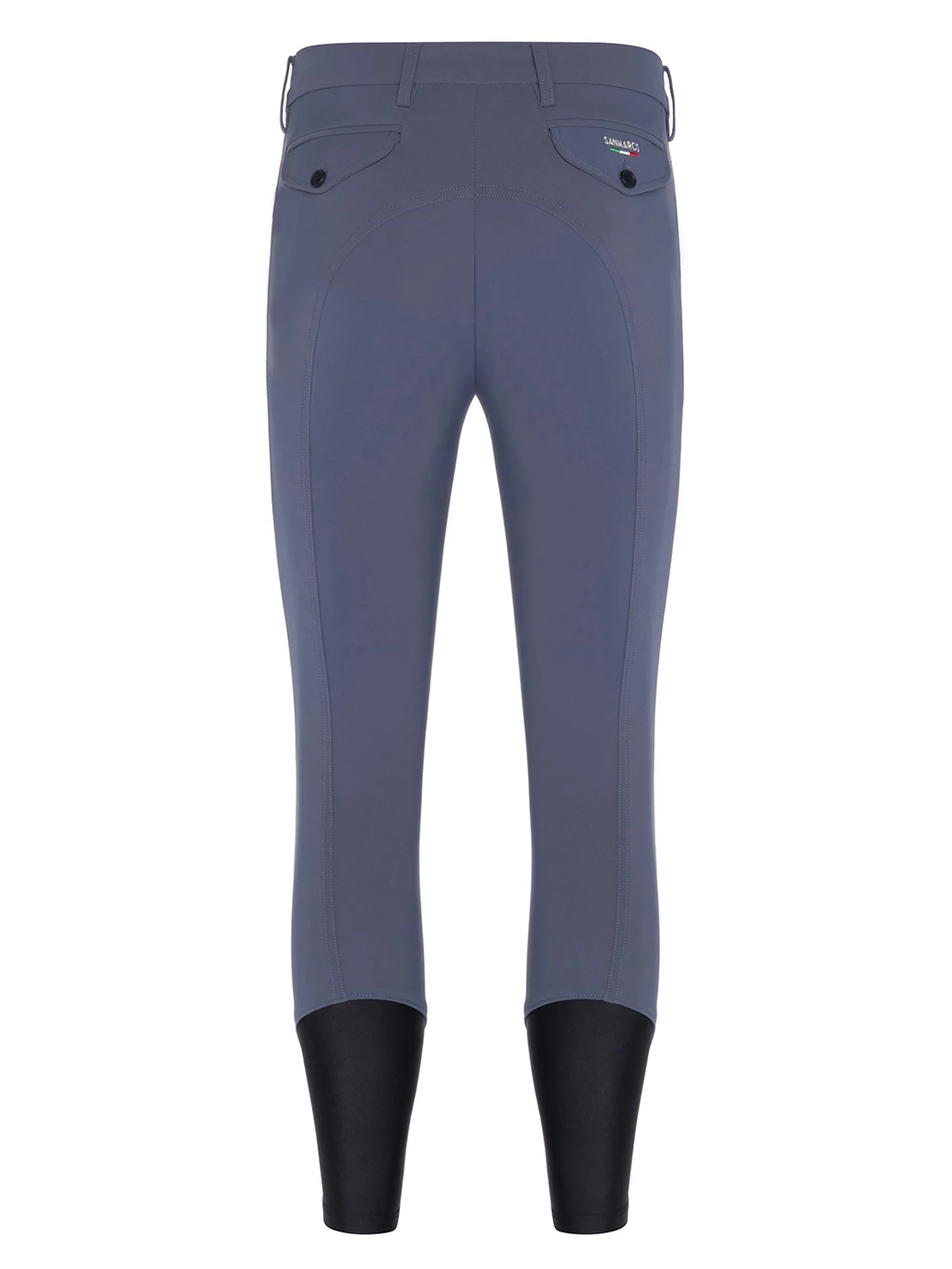
Most breeches fall into this category for a simple reason: they must allow continuous movement and ventilation. A fully waterproof membrane would make the garment stiff, reduce comfort and trap heat, which is not suitable for regular riding.
2. What “Waterproof” Means
A waterproof garment relies on a complete structural system rather than a surface treatment alone. This system includes:
- a laminated membrane,
- sealed (taped) seams,
- protected or waterproof zippers,
- an outer shell built to withstand pressure,
- a specific water-column rating.
The goal is not to delay water but to block it entirely. A waterproof jacket remains functional in prolonged or heavy rain, even during long outdoor sessions or variable terrain.
3. Water-Column (mm) Ratings Explained
Labels often include numbers such as “5,000 mm” or “10,000 mm”. This value indicates the amount of hydrostatic pressure a fabric can withstand before water seeps through.
A general interpretation looks like this:
- 0–5,000 mm: light rain or short-term exposure
- 5,000–10,000 mm: standard rain and daily use
- 10,000–15,000 mm: heavy or prolonged rain
- 15,000 mm and above: demanding conditions, long rides, performance use
Actual results may vary slightly depending on testing methods, but the practical logic remains consistent.
In most equestrian applications, a jacket with over 10,000 mm provides more dependable protection, especially during long periods outdoors where wind and rain interact directly with the rider’s movement.
4. Why Seams and Construction Matter
Even the strongest waterproof fabric can leak through needle holes if the seams are not sealed. A reliable waterproof garment therefore includes:
- fully taped seams,
- laminated panels,
- reinforced zip guards,
- structured cuffs and collars that prevent water ingress.
The difference may be subtle when holding the garment indoors, but becomes very evident during hours spent outdoors in changing weather.
5. Common Misunderstandings Between the Two
Misunderstanding 1: A water-repellent product that gets wet must be faulty.
It is not faulty; it is performing exactly within its designed limits.
Misunderstanding 2: A waterproof jacket that feels warm or humid must be low quality.
Not necessarily. Rain increases humidity around the body, and even breathable membranes have limits.
Misunderstanding 3: All outer layers protect in the same way.
Softshell pieces are generally repellent; hardshell constructions offer full waterproof protection. They are built for different purposes.
6. Why Waterproofing Weakens Over Time
Both water-repellent and waterproof garments require proper maintenance.
Repellent coatings fade more quickly and are sensitive to:
- regular detergent,
- excessive heat,
- abrasion,
- frequent washing.
Waterproof membranes remain intact, but the outer surface treatment still loses efficiency over time. To maintain performance:
- use detergents formulated for technical fabrics,
- avoid high-temperature programs,
- renew DWR with dedicated sprays when needed.
These steps are particularly important for riders who spend long periods outdoors during transitional seasons.
7. Choosing the Right Feature for the Right Scenario
Water-Repellent Is Suitable For
- short riding sessions,
- mild weather,
- daily stable tasks,
- garments where breathability and movement are essential,
- breeches and mid-layers.
Waterproof Is Necessary For
- long rides in constant rain,
- exposed terrains,
- windy or cold conditions,
- performance-driven training days,
- extended outdoor duties around the stable.
Repellent garments focus on comfort and flexibility; waterproof garments focus on complete protection. The correct choice depends on both the weather and the duration of activity.
8. Key Technical Terms on Labels
- DWR: surface water-repellent coating
- Laminated / Membrane: internal waterproof barrier
- Taped Seams: stitched areas are sealed
- Breathable: indicates moisture-vapour transmission
- Waterproof Zipper: prevents water from entering through the zip
- Softshell: flexible, usually repellent
- Hardshell: structured, fully waterproof outer shell
Understanding these terms helps determine what the garment can realistically handle.
FAQ
How long does water-repellent protection last?
It depends on use and care. Frequent washing or friction can reduce performance quickly.
How often should DWR be renewed?
When water stops forming beads on the surface, it is time to restore it.
Why does a waterproof jacket feel warm or humid during riding?
Humidity rises around the body during rain, and breathability has natural limits.
Are fully waterproof breeches practical?
Not for regular riding. They restrict movement and increase heat retention.
Is softshell or hardshell more protective?
Hardshell is more protective; softshell focuses on comfort and flexibility.
Understanding how to read labels on equestrian textiles is not simply a matter of choosing the right item in the shop. It directly affects long-term comfort, durability and performance during training. Knowing what each technical term truly represents makes selection easier and prevents unrealistic expectations. The next time you evaluate a jacket, mid-layer or outer shell, those small details on the label will provide a far clearer picture of how the garment will behave in real outdoor conditions.