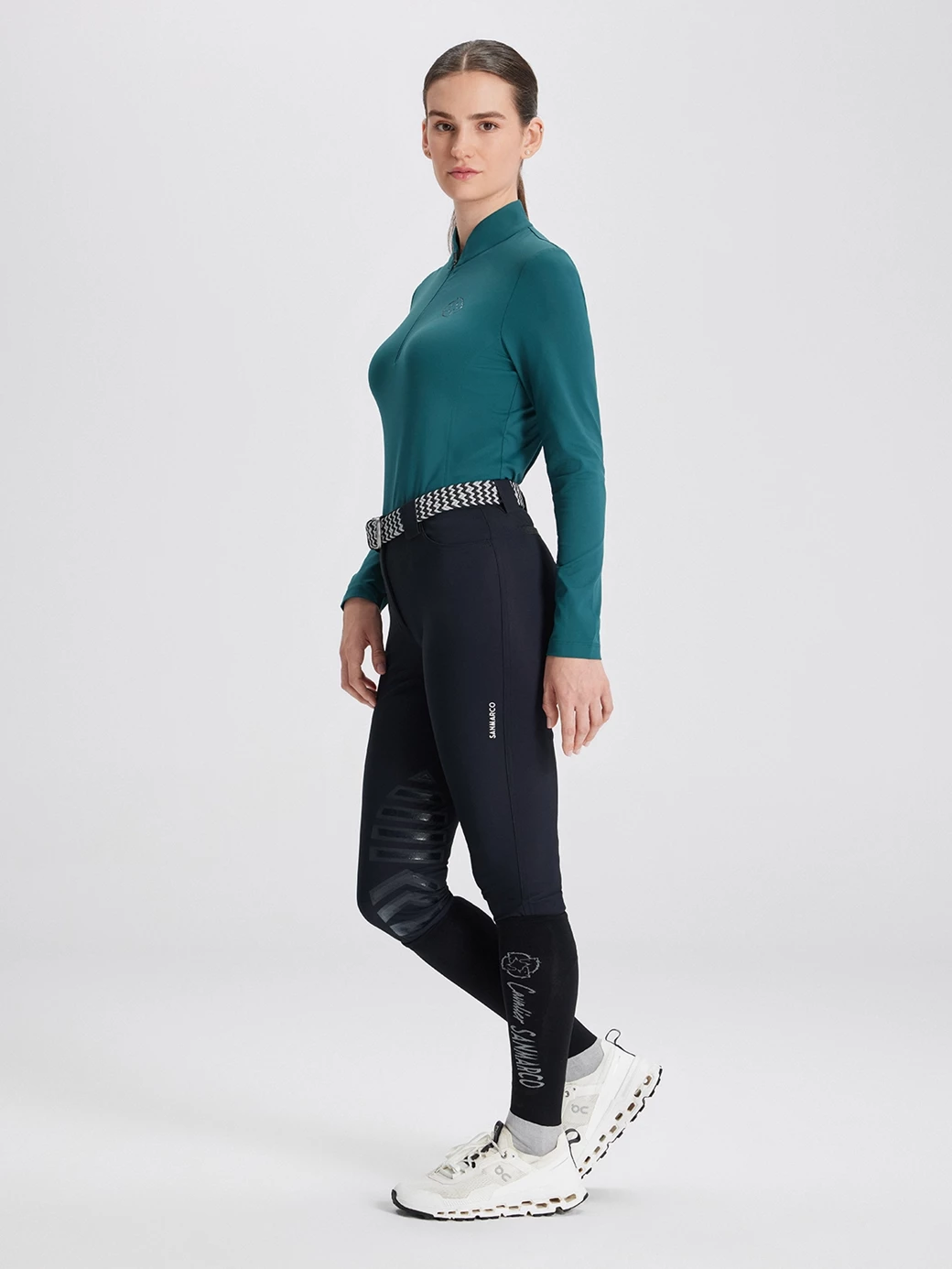
DESIGNED BY RIDERS, FOR RIDERS


Girth Selection: Friction, Elastic Structure, and Anatomical Cut Criteria
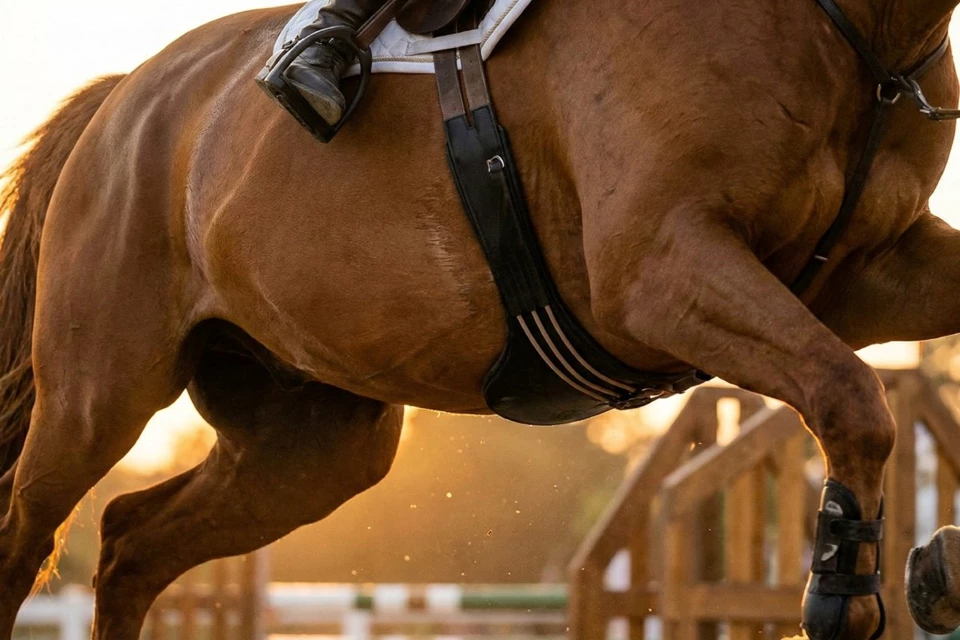
In equestrian sports, equipment management is not limited to just saddle or bit selection. One of the most strategic parts of the system, the girth, operates directly on the horse's or pony's rib cage. A wrong choice restricts breathing capacity, narrows the range of motion, and can lead to serious skin problems.
At Cavalier San Marco, we prioritize increasing technical awareness in equestrianism. In this article, we examine the vital girth selection process for your partner—whether a large horse or a compact pony—under the headings of friction, elasticity, and anatomy.
1. Anatomical Cut Criteria: Freedom of Movement
Standard, straight-strap girths do not always adapt to the dynamic structures of modern sport horses and ponies. An anatomical girth design must be shaped according to the animal's front leg movements.
- Elbow Clearance: When a horse or pony extends its front legs backward, especially during trot and canter, the elbow area is at risk of contacting the girth. Models with an anatomical cut ("S" or "Crescent" shape) create a special curve behind the elbow to prevent this contact.
- Horse vs. Pony Difference:
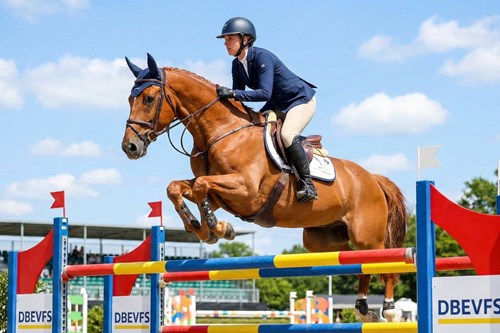
- Horses: In horses with wide shoulder movements, an anatomical cut allows for extended stride length.
- Ponies: In ponies, which often have rounder bellies, the risk of the saddle slipping forward is higher. An anatomical girth improves stability by keeping the saddle in the correct position (behind the shoulders).
2. Friction Prevention and Saddle Pad Integration
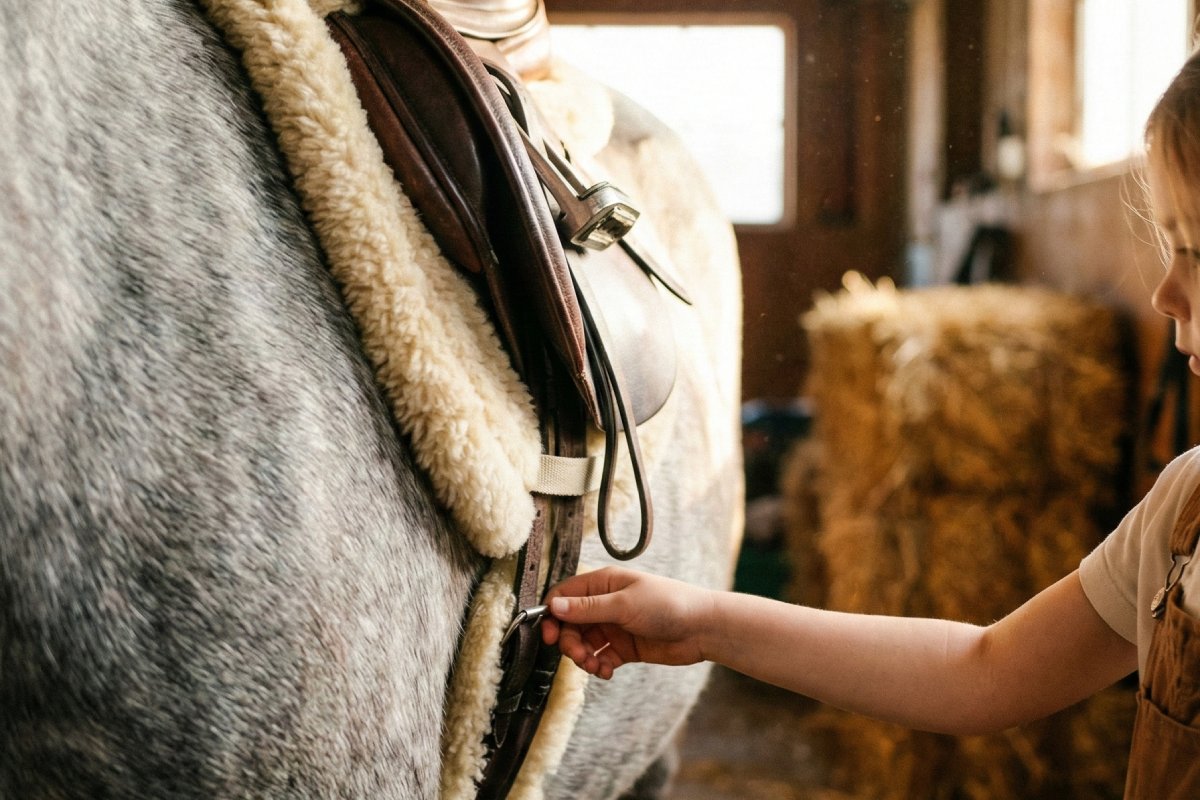
Skin irritations known as "girth galls" usually stem from deficiencies in friction prevention. No matter how good the girth material is, the surface contacting the skin and the layer underneath are critical. This is where the compatibility between the saddle pad and the girth comes into play:
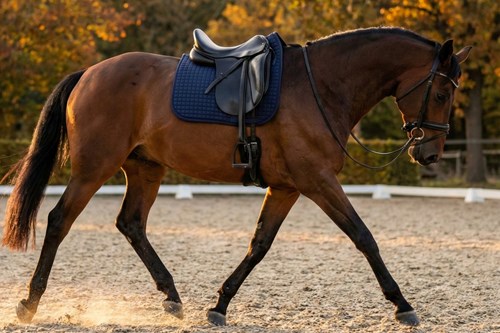
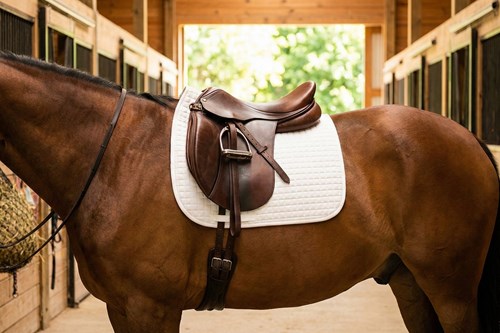
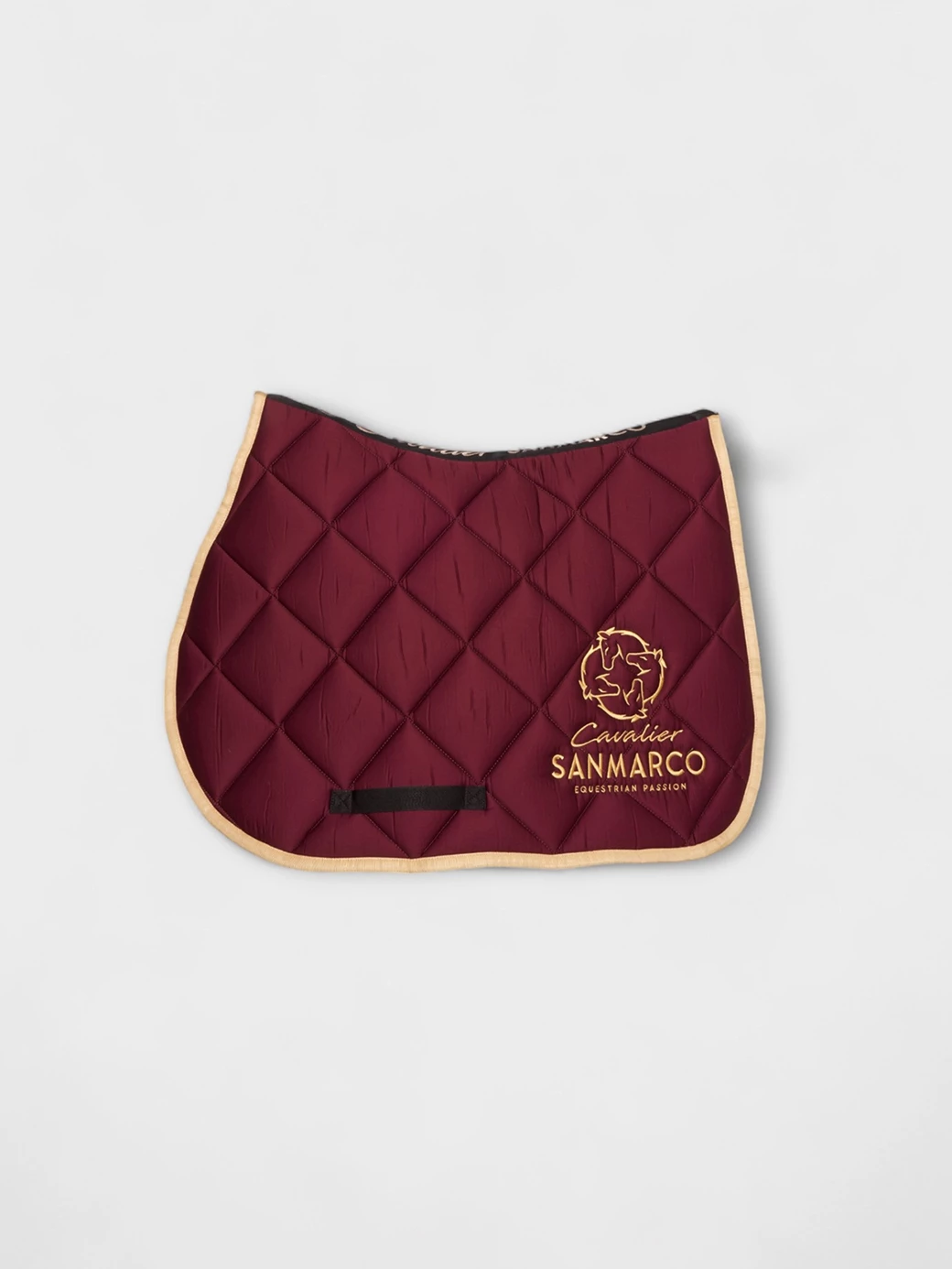
- Layer Compatibility for Horses: In horses with large body surface areas, sweating is more intense. To absorb girth pressure and wick away sweat, using anatomical horse saddle pads secured with girth loops is the most effective way to minimize friction.
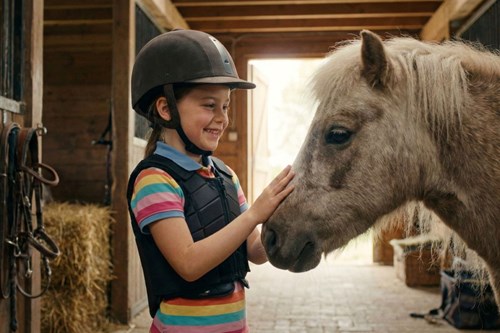
- Correct Sizing for Ponies: Ponies have shorter backs and chest depths. Adult equipment is too large for them and causes bunching. Therefore, to prevent friction, pony saddle pads sized specifically for pony anatomy must be preferred. The right pad prevents the girth from "biting" the skin.
3. Elastic Structure: A Breathing System
The use of an elastic girth directly affects the "work capacity" of the horse or pony. During exertion, the rib cage expands and contracts with every breath.
- Necessity of Flexibility: A rigid (non-stretching) girth creates a physical barrier to the rib cage, making deep breathing difficult. This leads to early fatigue.
- Double-Sided Balance: An ideal girth should have strong elastics on both ends. This ensures pressure is distributed equally over the sternum and rib cage. Single-sided elastics can cause the saddle to slip to one side and disrupt spinal balance.
4. Saddle Fit and Equestrian Equipment Integrity
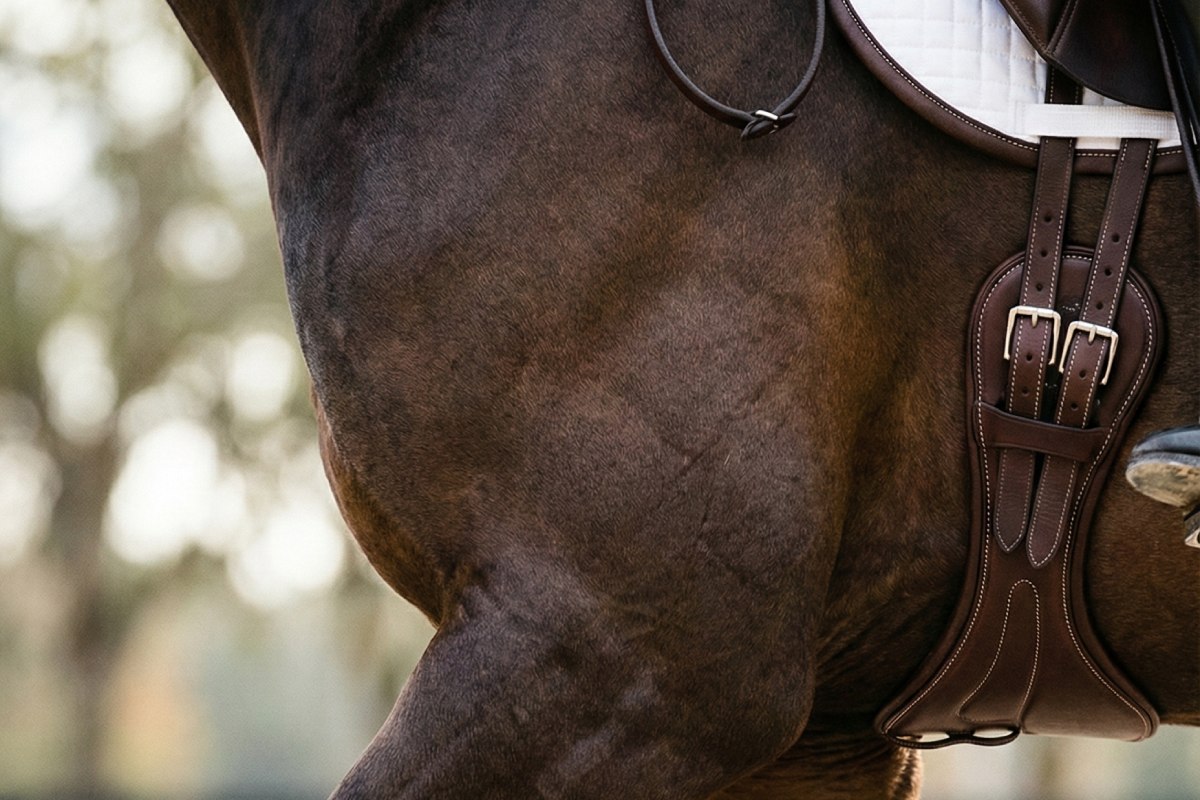
Saddle fit is not just about the relationship with the back, but also the angle with the girth. The girth should not alter the saddle's center of gravity.
- Sternum Pressure: The widest surface of the girth should sit on the horse's breastbone (sternum). This distributes pressure and ensures comfort.
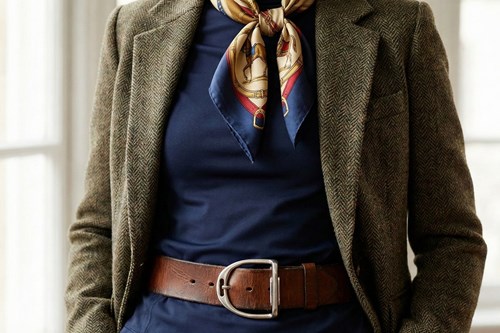
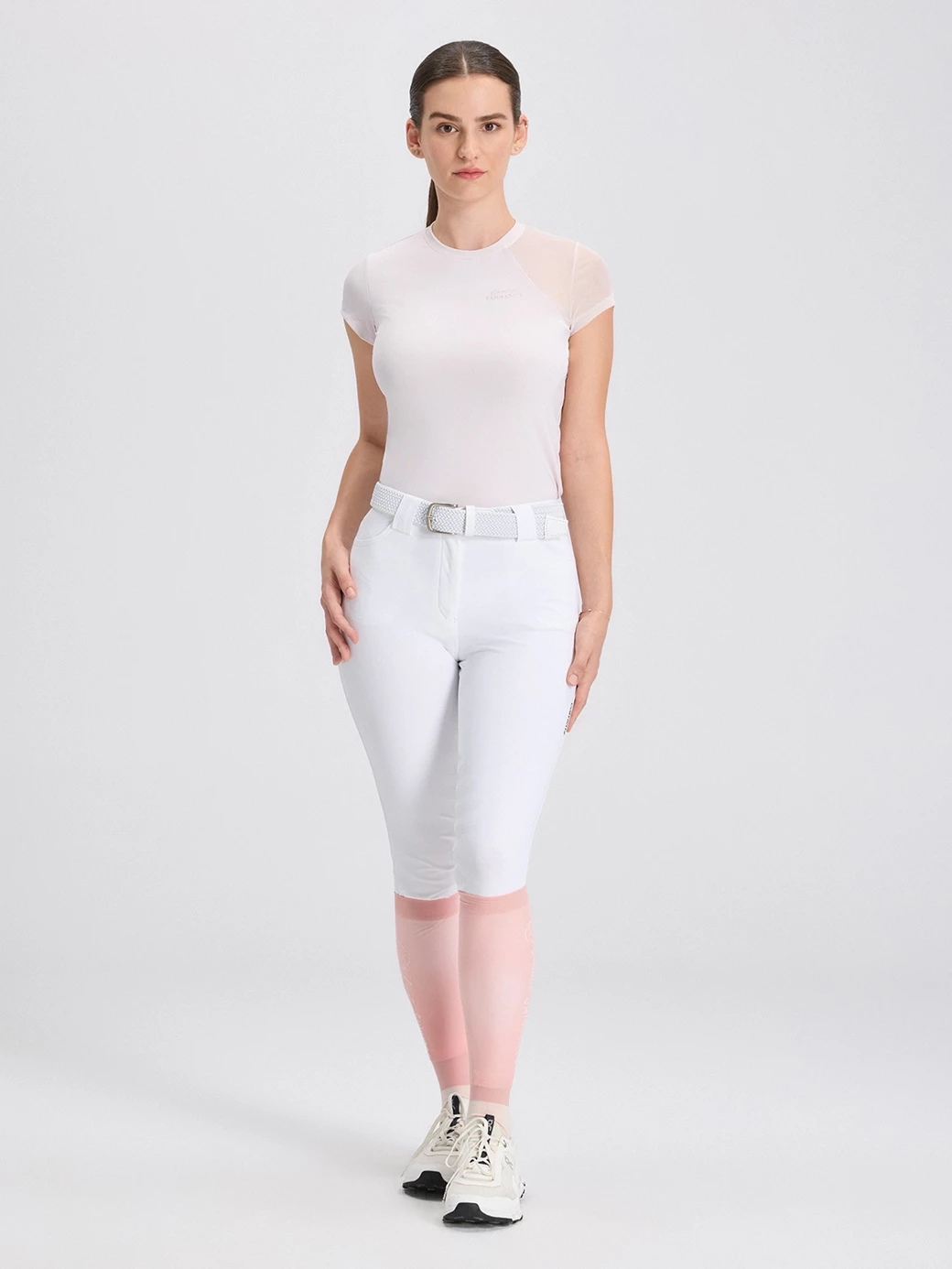
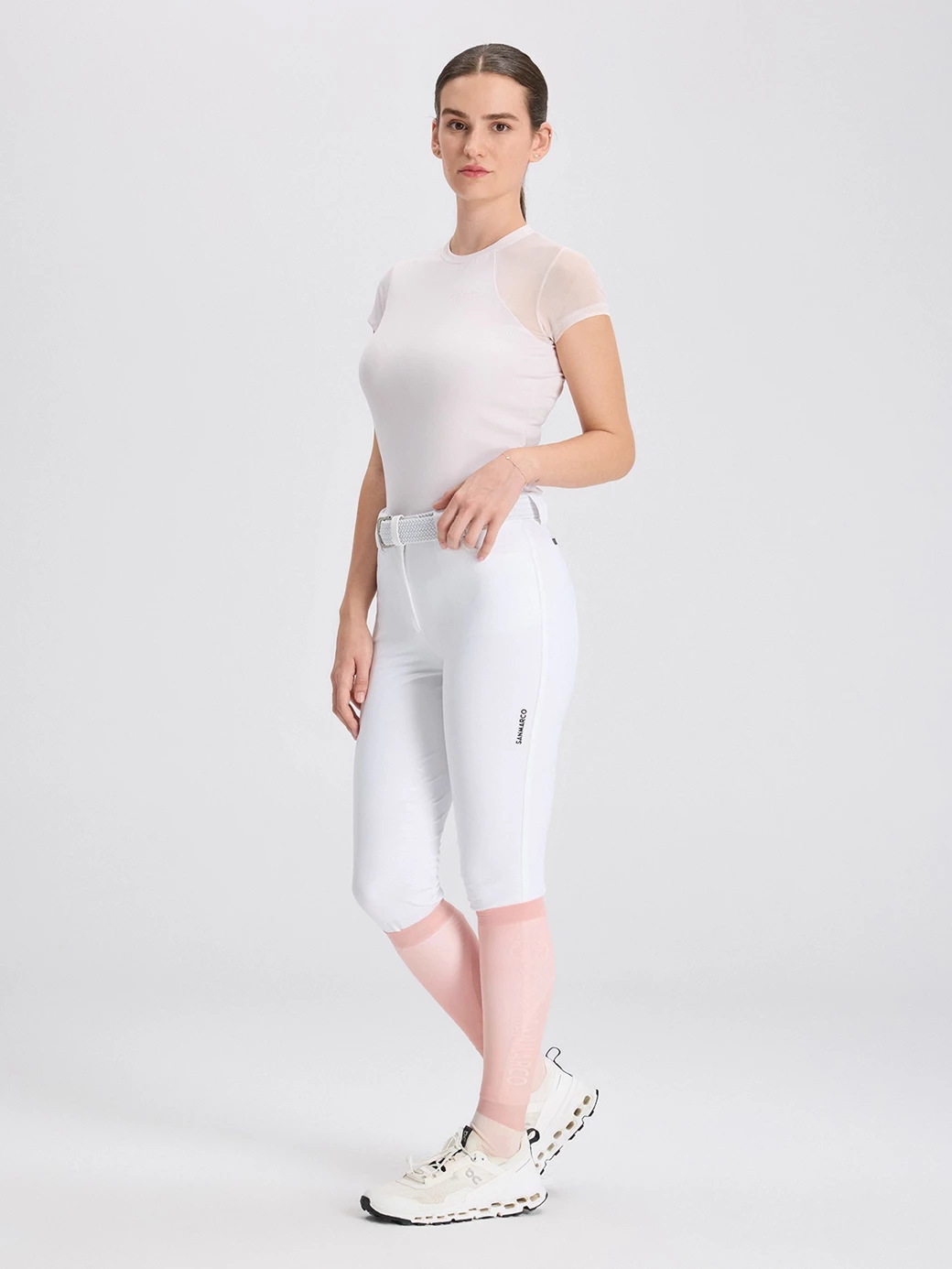
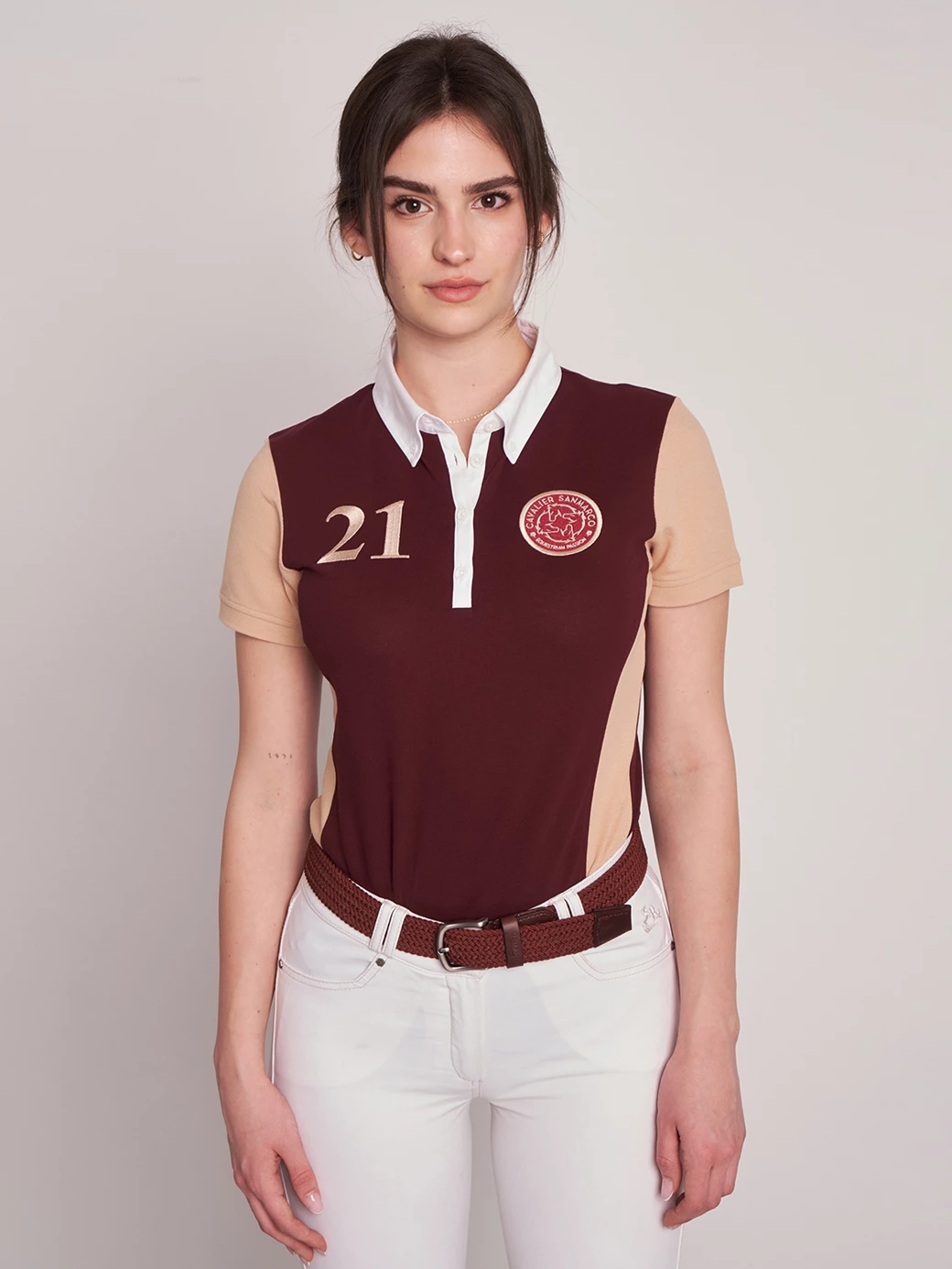
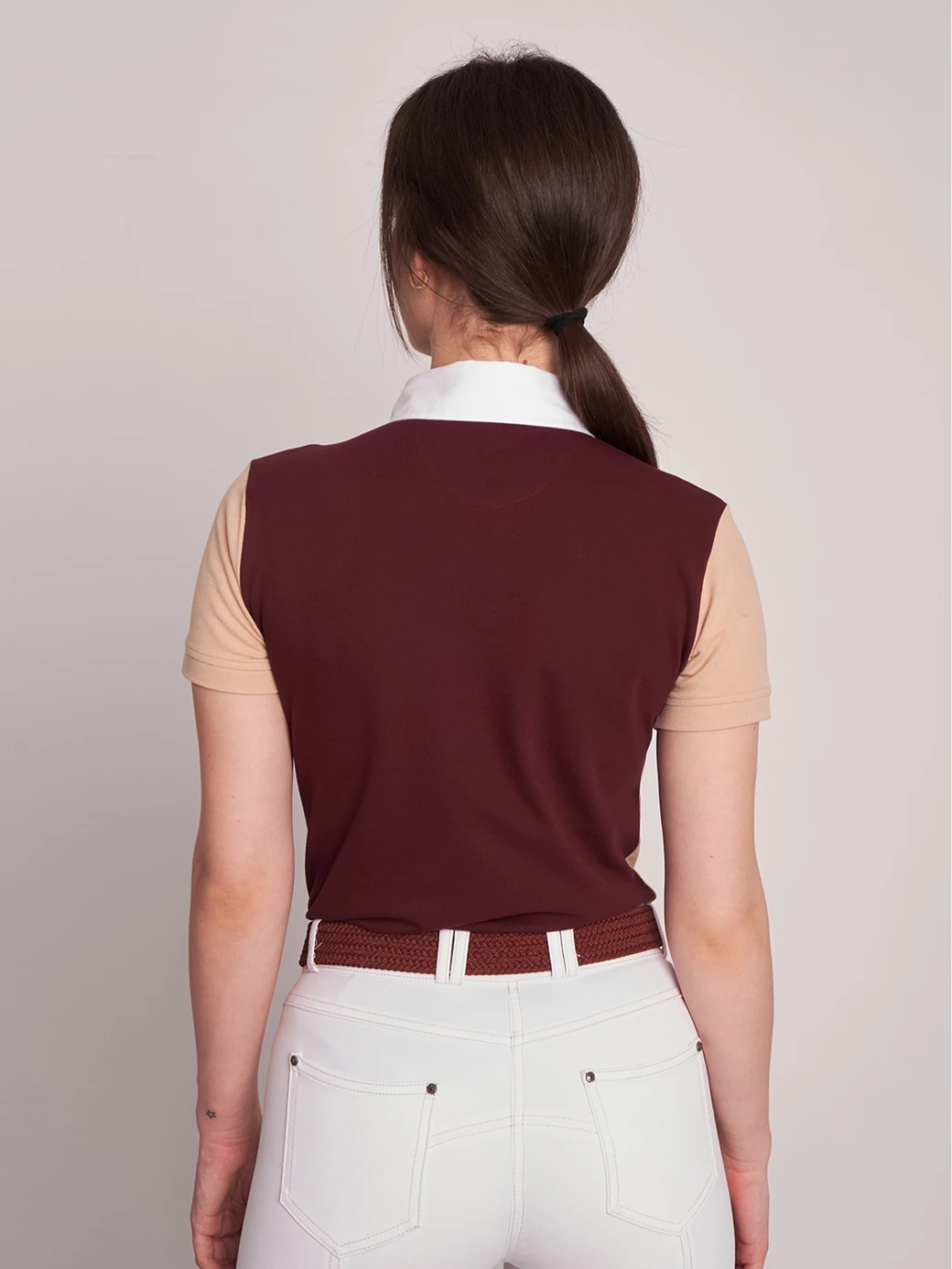
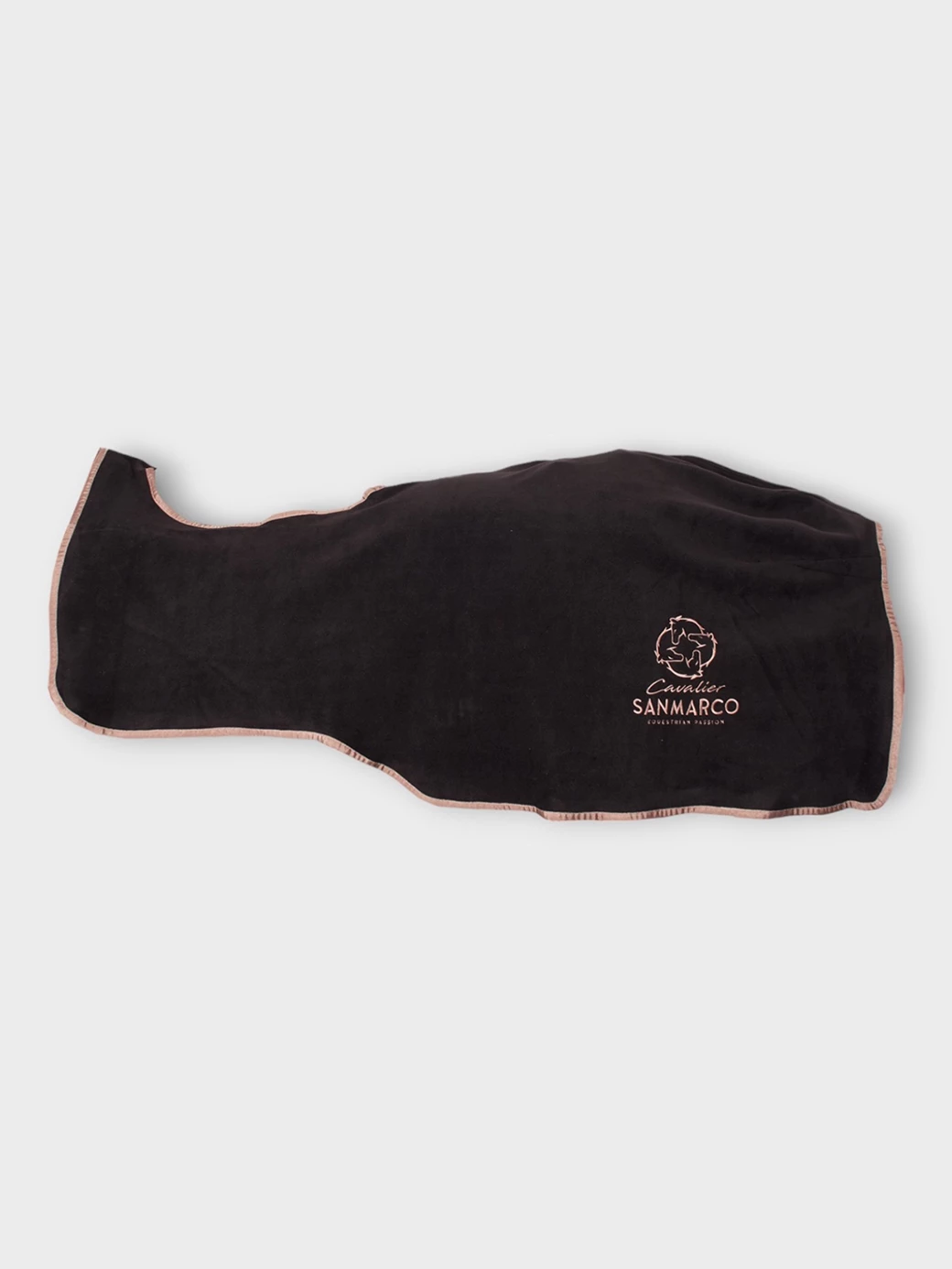
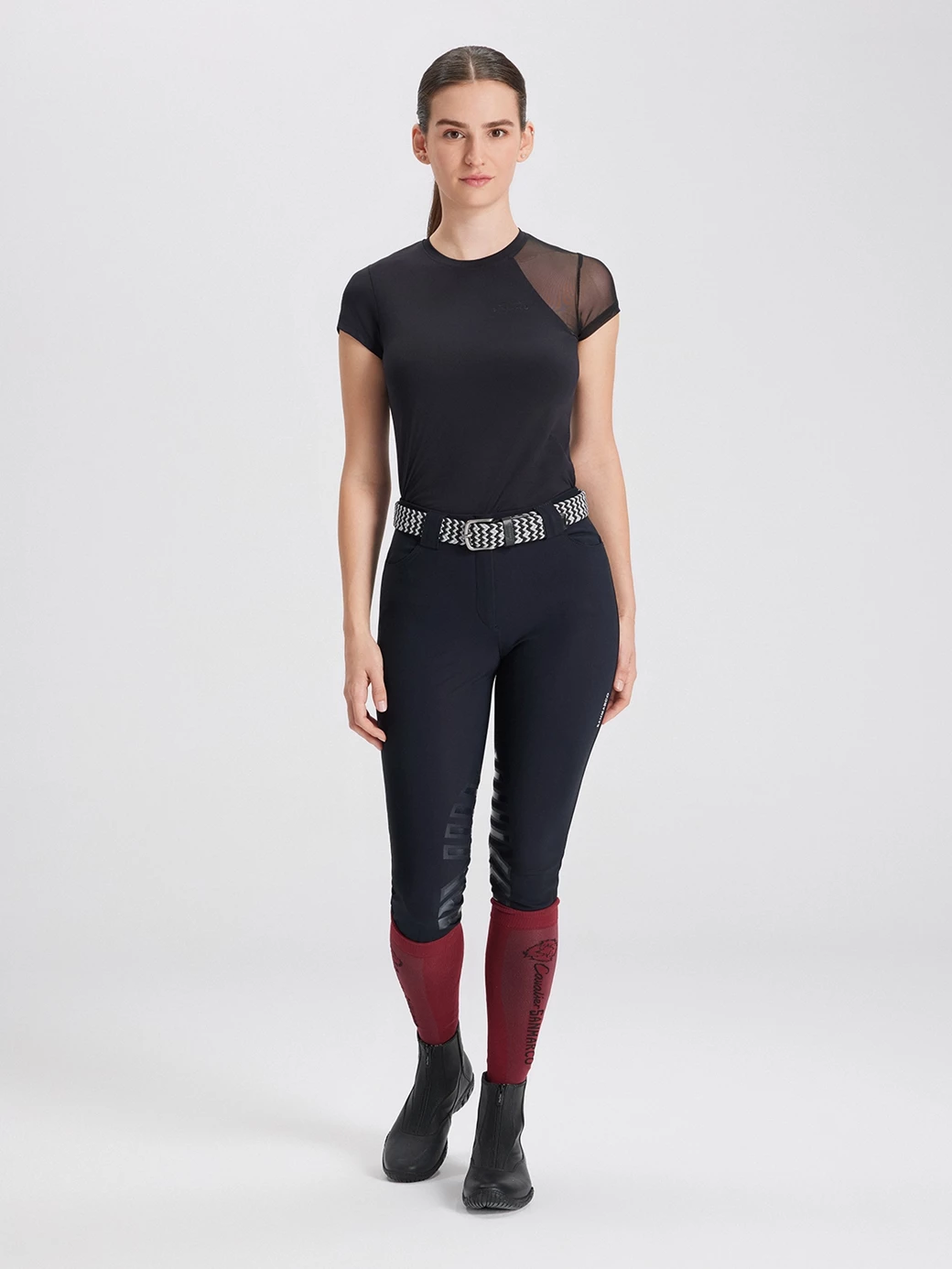
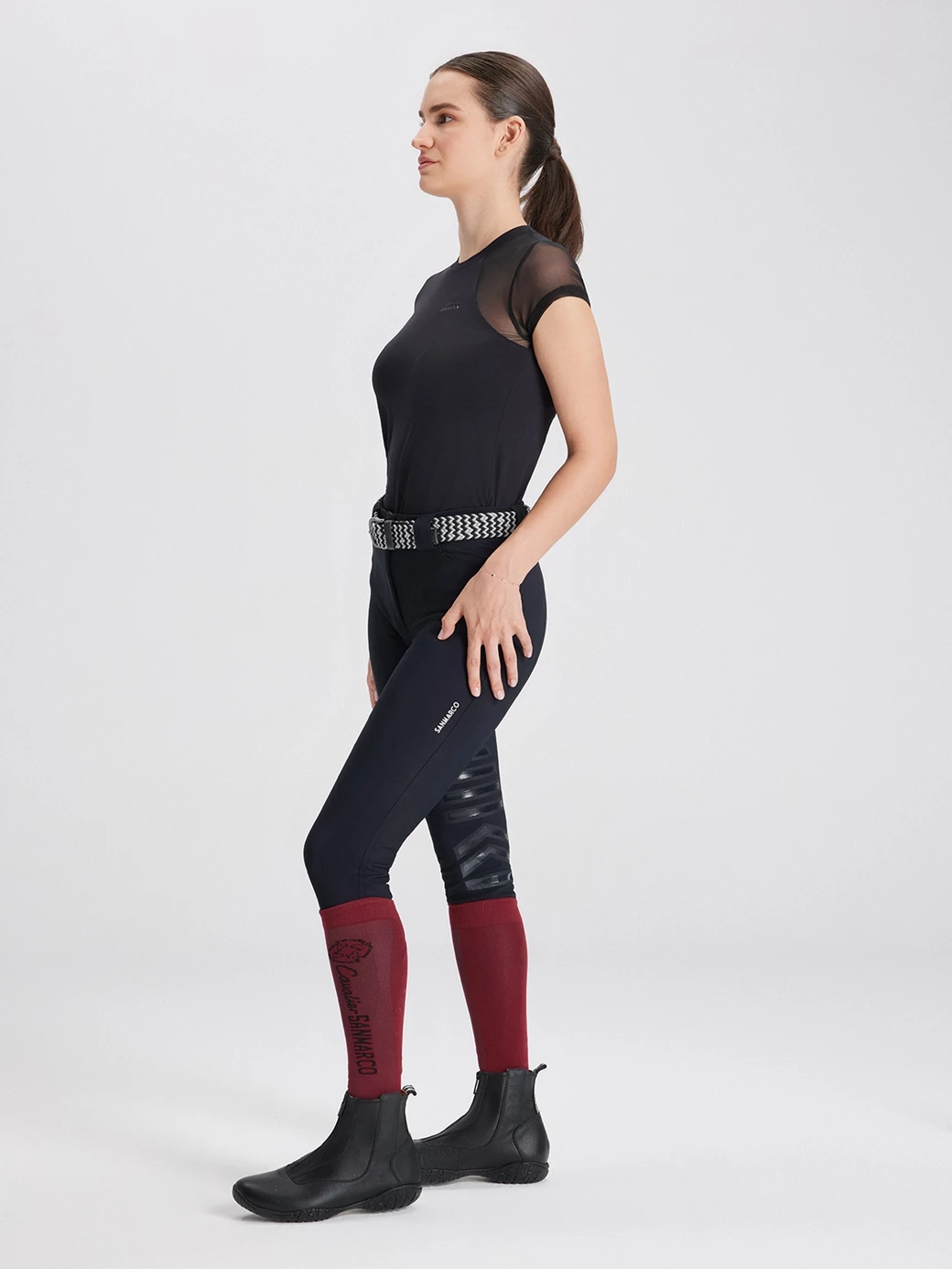
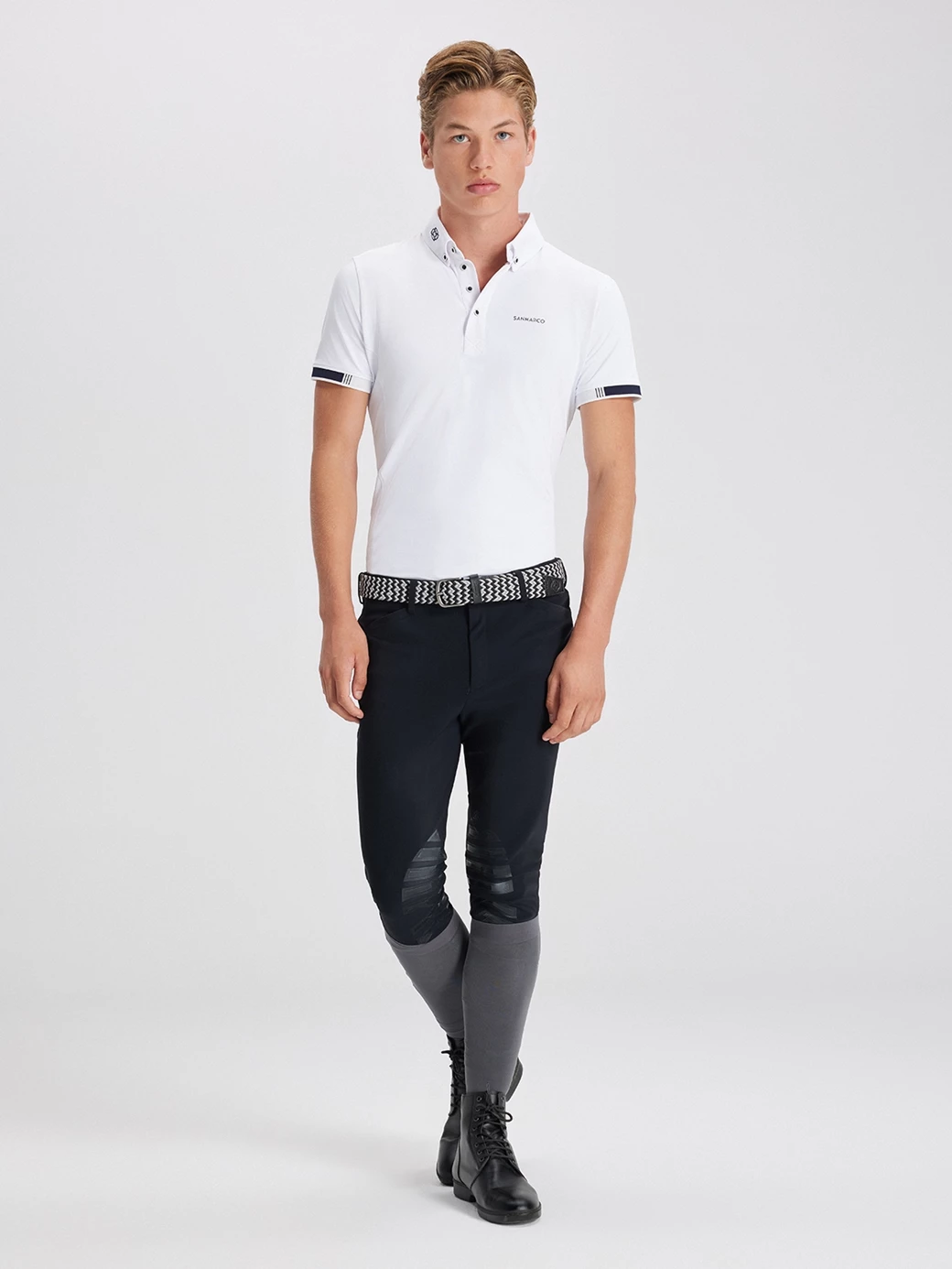
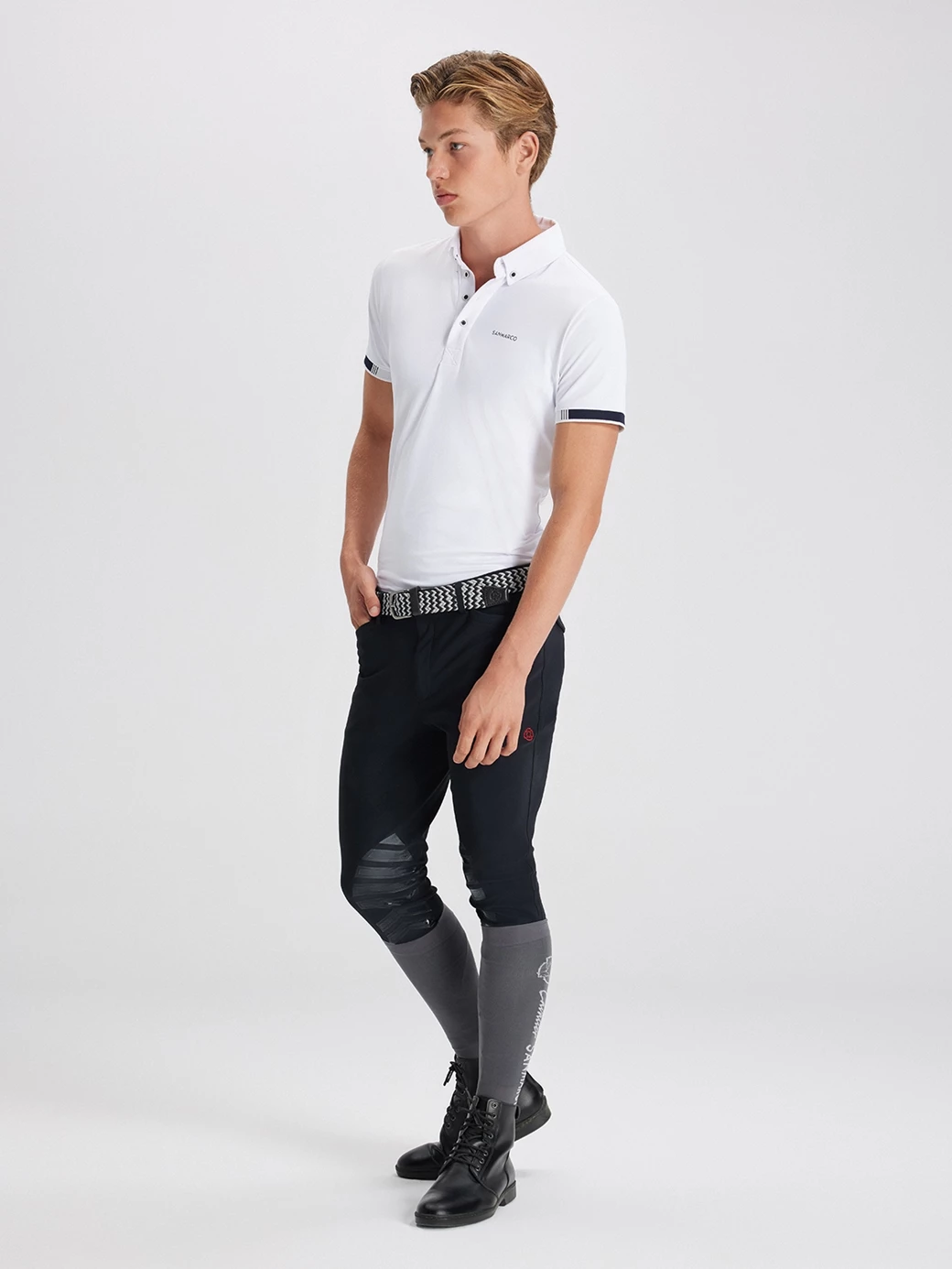
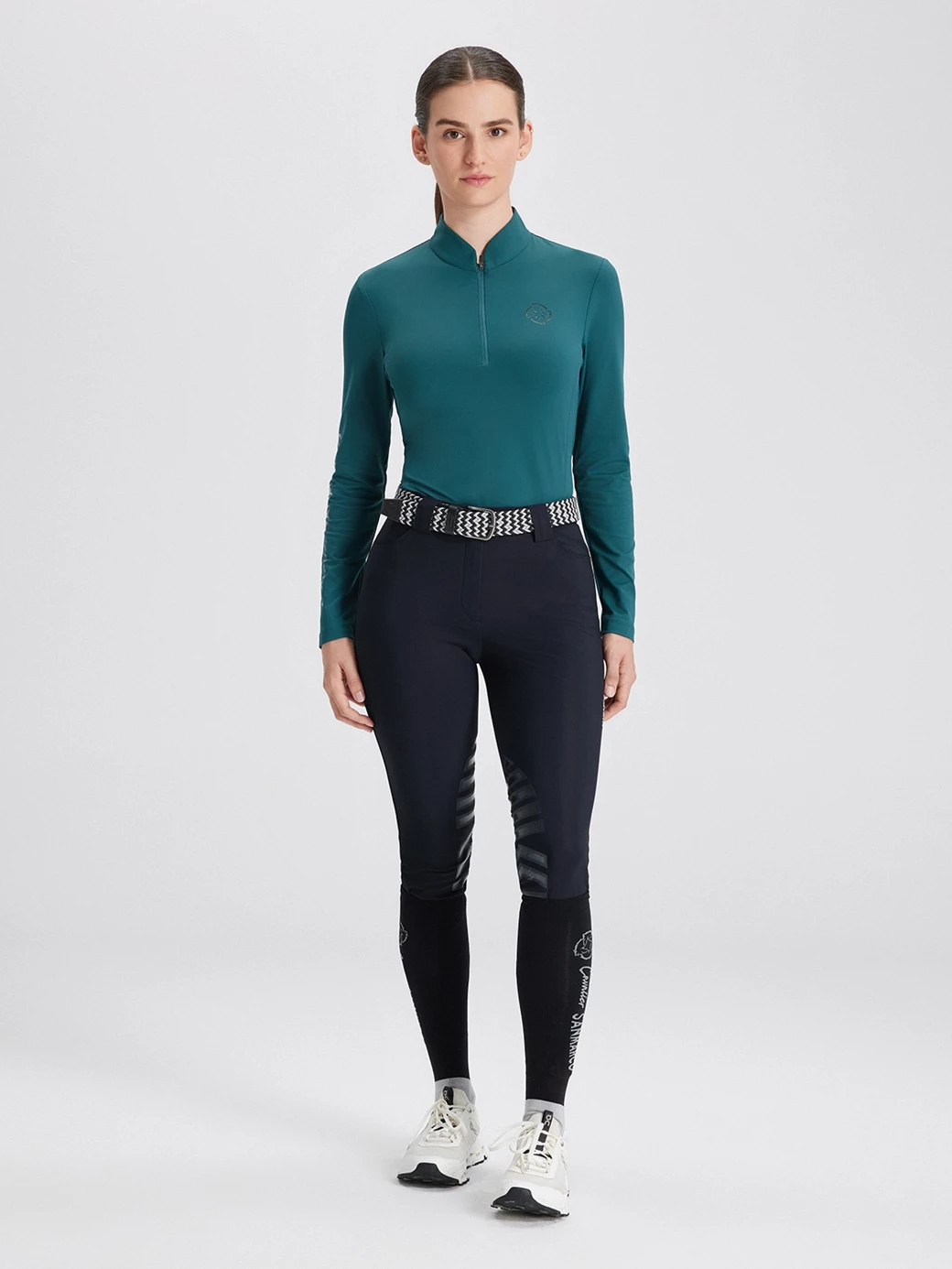
- Visual and Technical Unity: In equestrianism, aesthetic integrity motivates as much as technical accuracy. Matching the color and style of your horse's or pony's equipment with your own training attire displays a professional stance. You can review our outfit/equipment coordination recommendations for a seamless match of girth, saddle, pad, and rider apparel, strengthening your style on the field with technical details.
Conclusion
Choosing the right equestrian equipment is a sign of respect for your partner. A non-chafing, anatomically cut girth with proper elasticity allows your horse or pony to perform without restricting their potential.
Remember; a horse that moves freely means a happy rider.