DESIGNED BY RIDERS, FOR RIDERS


How to Ensure Proper Equipment Fit for Horse Comfort?
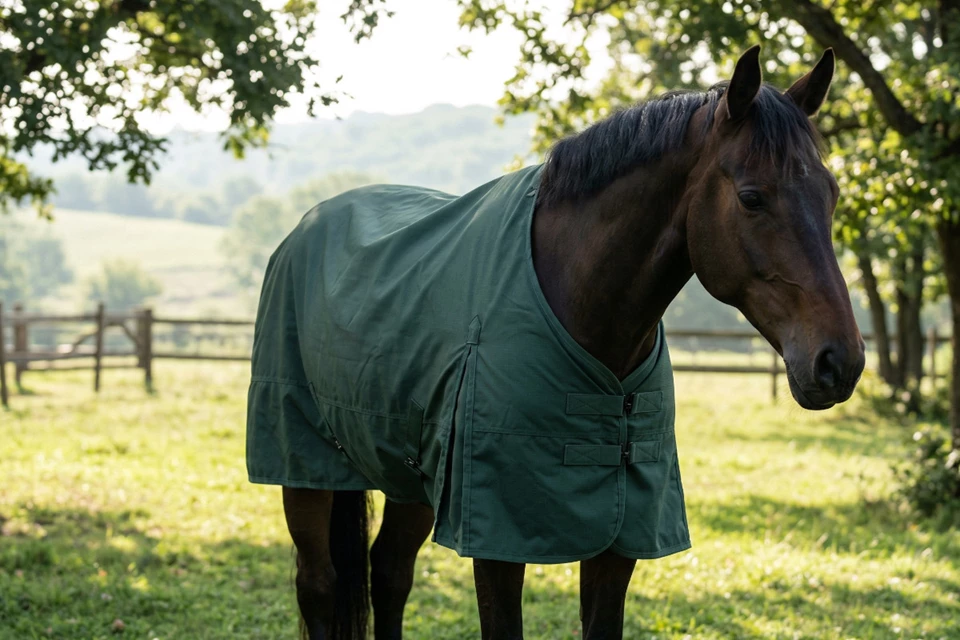
Aesthetics and style might be the siren song of the tack shop, but when it comes to your horse’s performance and health, equipment selection is strictly an "orthopedic" matter. Your horse is a silent partner; a minor friction point or a misplaced pressure zone can lead to long-term injury or behavioral issues over time. True comfort for your horse begins with understanding how the gear "accompanies" their unique anatomy.
Here are the critical fit strategies to protect your horse’s biomechanics and ensure their peace of mind under the saddle:
1. Saddle Pad Selection: Performance Beyond Patterns
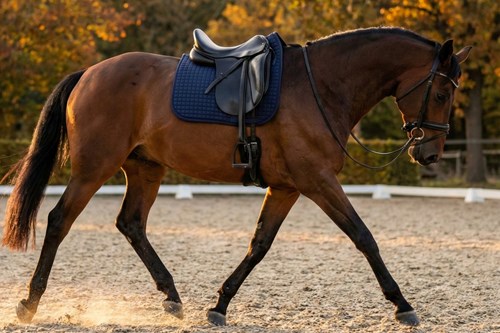
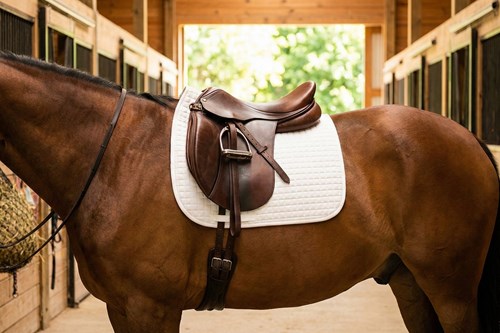
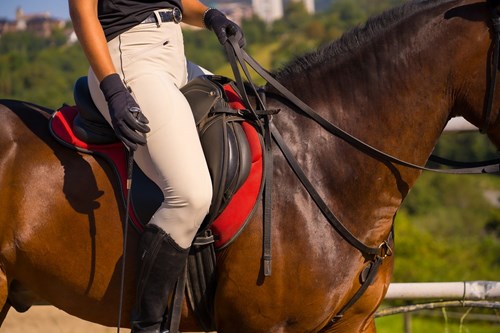
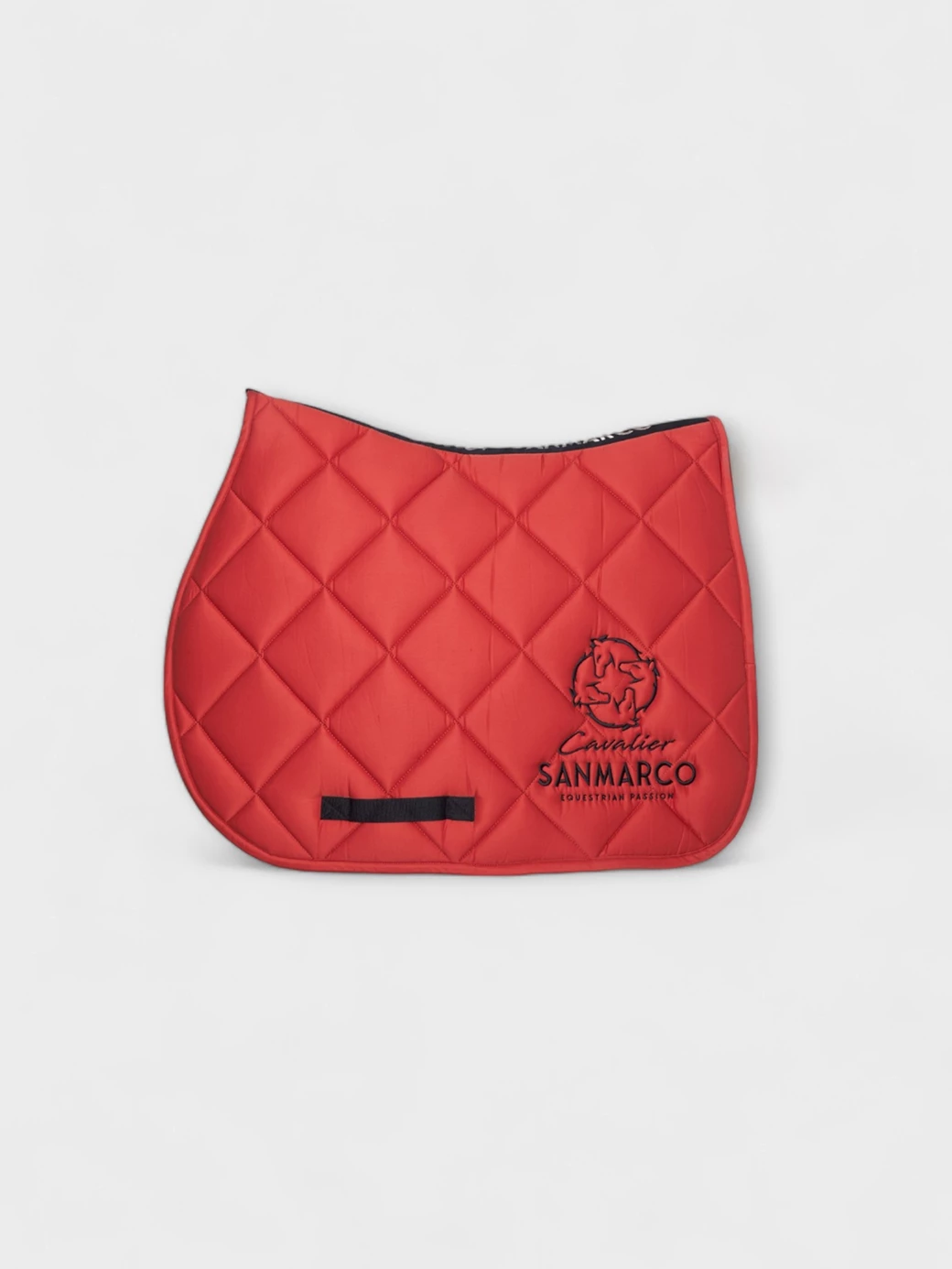
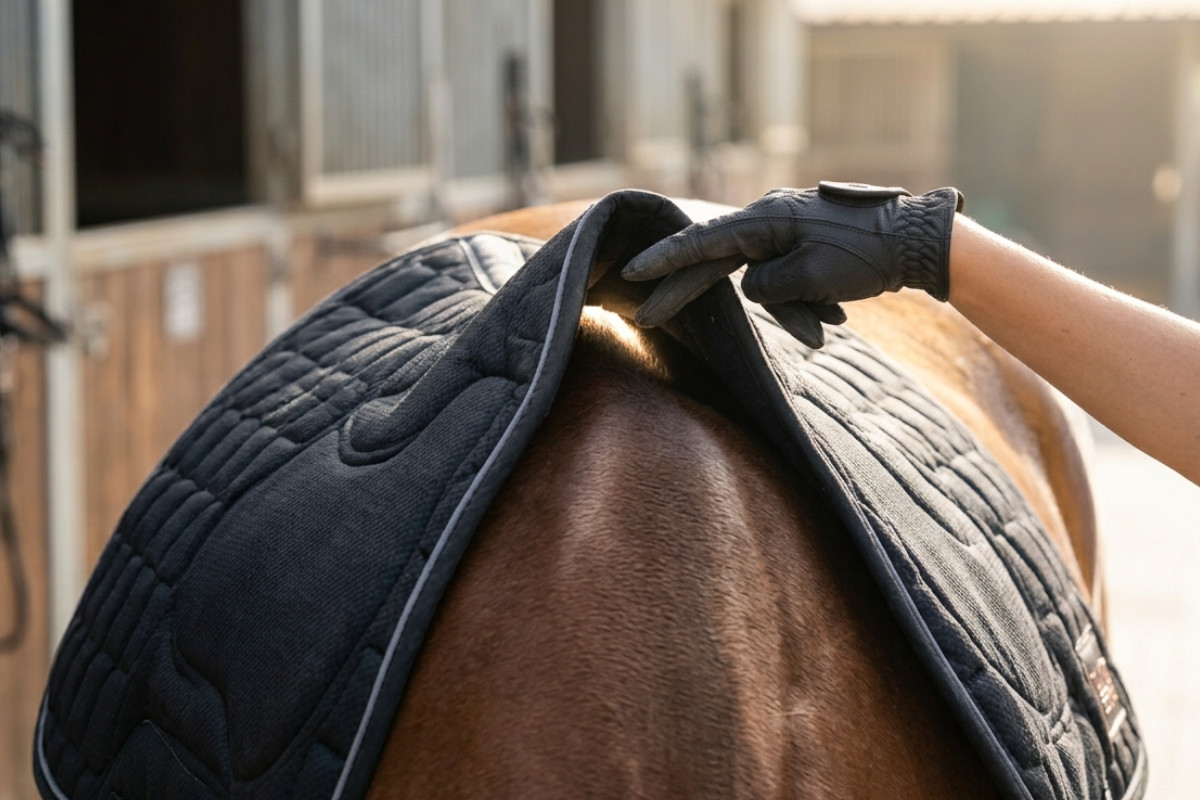
For many riders, choosing a saddle pad is a matter of color and pattern. However, the saddle pad is the primary shock-absorbing layer between the saddle and the horse's back. The wrong pad can distribute the weight of the saddle unevenly, creating painful pressure points along the spine.
-
Spinal Clearance: A high-quality saddle pad should never press down on the horse’s withers; it should have an anatomical curve that follows the line of the spine.
-
Material and Breathability: Technical fabrics that wick away sweat and dissipate heat keep the horse's back cool during long training sessions. The pad must stay secure without bunching up under the saddle.
For deeper technical criteria, explore our guide on Saddle Pad Selection: Fit and Performance Beyond Patterns, and find the perfect match for your discipline in our horse saddle pads collection.
2. Girth Selection: Freedom of Breath and Movement
The girth is the most sensitive piece of equipment, affecting both the horse's ability to breathe deeply and its freedom to extend the forelimbs. An ill-fitting girth can cause "girthiness" (discomfort when being saddled) or severe skin irritations and galls behind the elbows.
-
Anatomical Cut: Look for anatomical shapes that curve away from the horse’s elbows, allowing for a full range of motion without restriction.
-
Elastic Structure: Quality elastics at the ends of the girth allow the ribcage to expand naturally as the horse breathes. To learn more about preventing friction and distributing pressure, check out our article on Girth Selection: Friction, Elastic Structure, and Anatomical Cut Criteria.
3. Horse Rugs and Blankets: Thermal Balance and Sizing
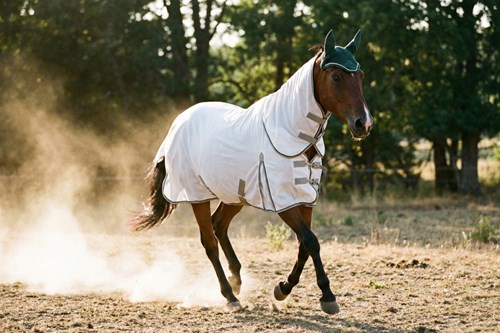
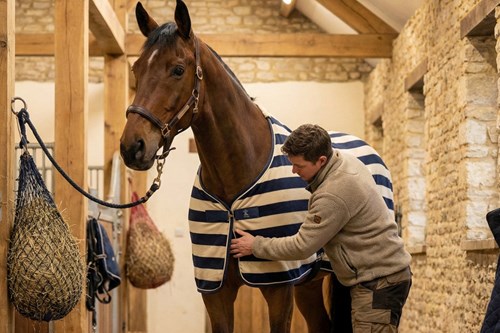
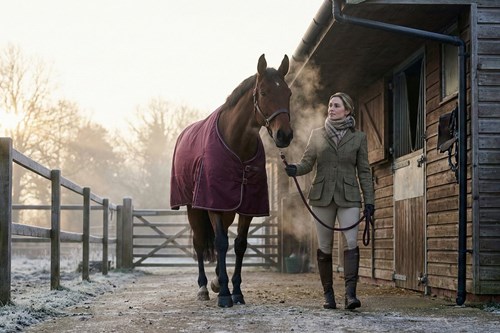
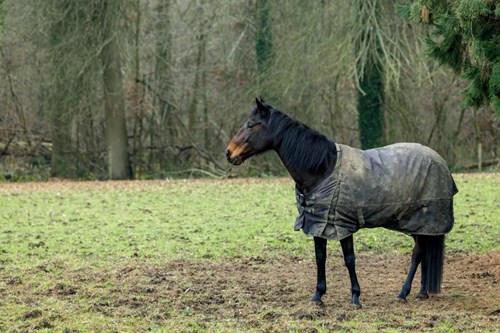
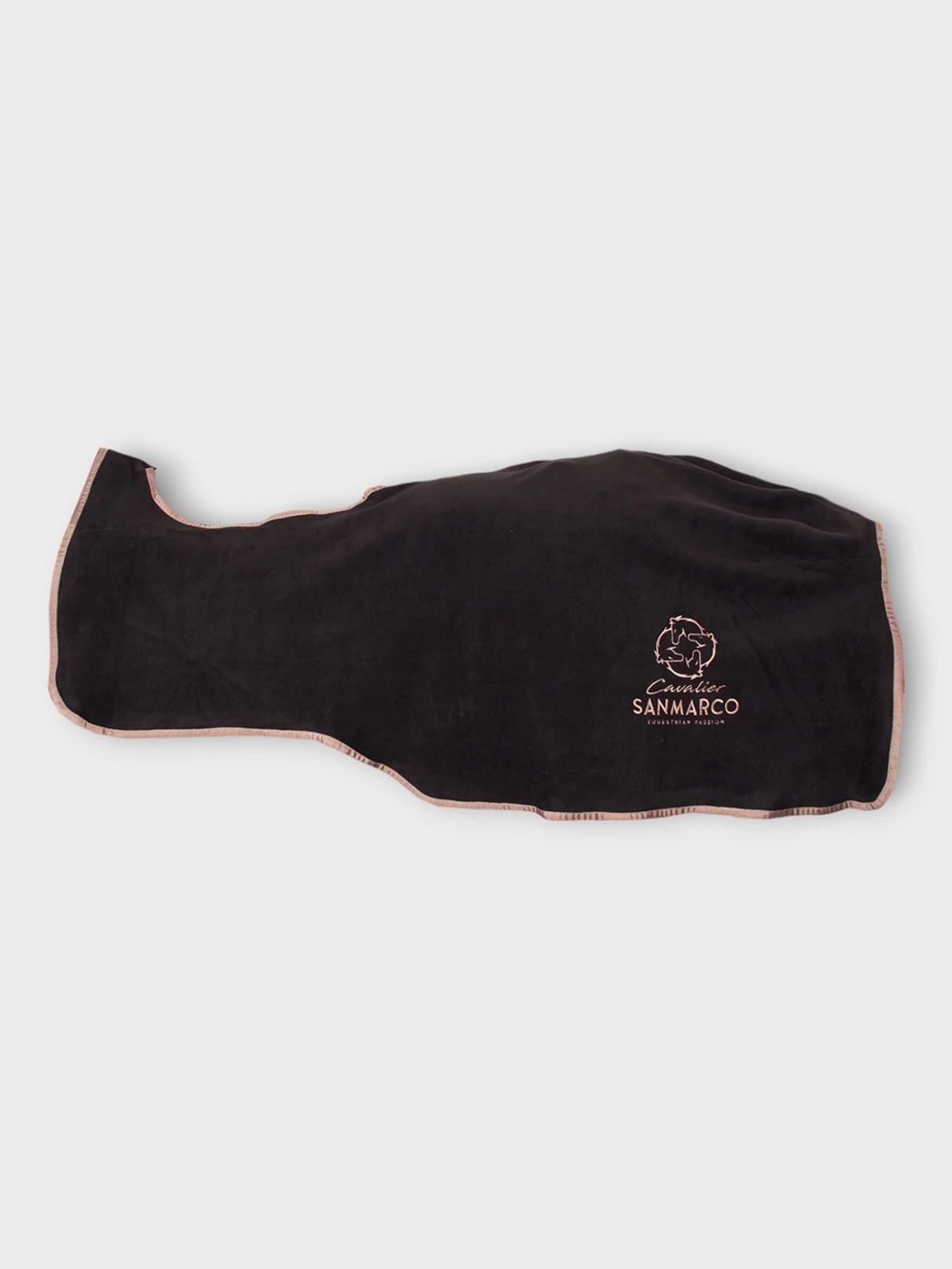
Horse rugs do more than just fight off the cold; they help warm up muscles faster and manage the cooling process after a workout. However, a rug that is too tight across the chest will restrict movement and chafe the shoulders.
-
The Right Measurement: A rug should fit perfectly from the chest to the tail—neither sagging nor sitting too short.
-
Purpose-Driven Choice: Whether it's a stable rug, a turnout rain sheet, or a fleece cooler, the weight and fabric technology must match the horse's environment. To ensure your partner has the correct protection for every season, you can explore our wide range of horse rugs and blankets.
Summary: Listen to Your Horse’s Whispers
When the equipment fit is correct, your horse won’t show tension during girthing or saddling. Their movements will be more fluid, and their back will remain supple. Equipment is the "silent language" of equestrianism; the more accurately you speak it, the stronger your bond will become.