DESIGNED BY RIDERS, FOR RIDERS


Horses Show Their Anxiety: Keeping Yourself and Your Horse Calm
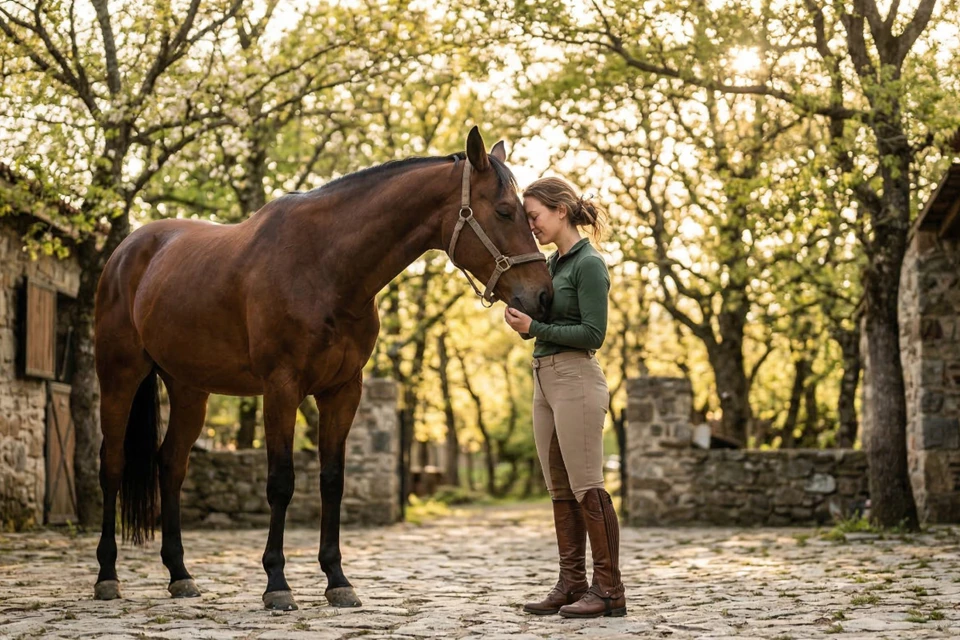
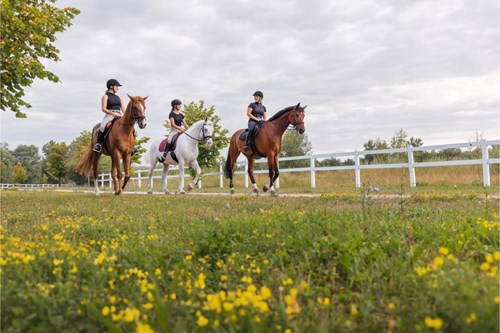
Horses are anatomically prey animals and possess unique sensory equipment to detect the slightest energy shift around them. The rider's heart rate directly affects the horse's heart rate. The energy flow in the saddle is a two-way street. When your horse gets scared, it immediately expresses this through physical signals. Reading these subtle signals is the foundation of a safe ride.
Reading Your Horse's Signs of Anxiety
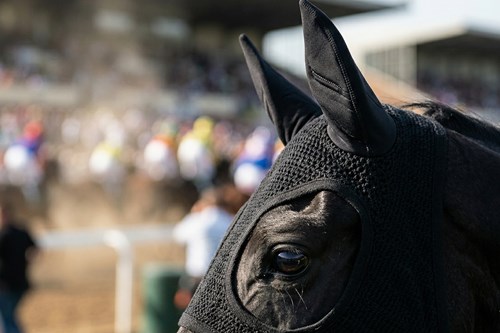
Your horse constantly communicates complex messages to you through body language, and especially under stress, its physical posture changes instantly as a reflex. Dilated eyes, flared nostrils, and non-rhythmic ear movements are the first warning signs. The earlier the rider notices these signs, the faster they can manage the crisis.
If your horse's ears are relaxed and turned to the sides, it is comfortable. If the ears are pinned back rapidly, your horse is under stress. Ears pinned flat against the neck indicate fear. A calm horse's eyes are soft. The white of the eye is not visible. During anxious moments, the gaze becomes tense. The white of the eye (sclera) becomes prominent. The horse blinks frequently. A naturally flowing tail indicates peace. A tail tucked between the legs reflects fear. If your horse's breathing is deep and regular, it is safe. Short, wheezing breaths show panic.
Emotional Transfer and Non-Violent Communication
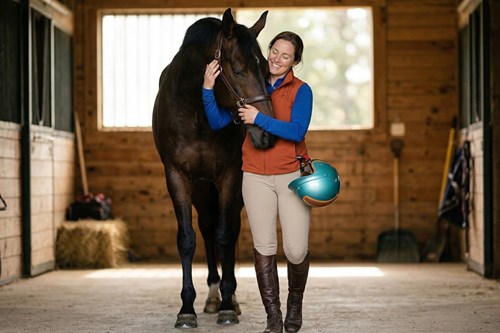
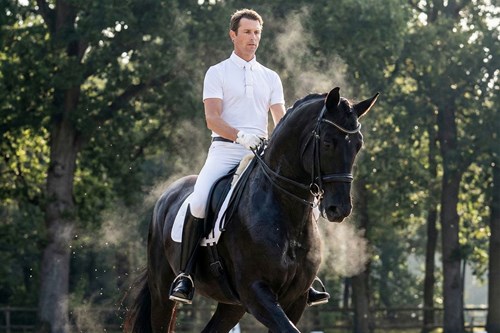
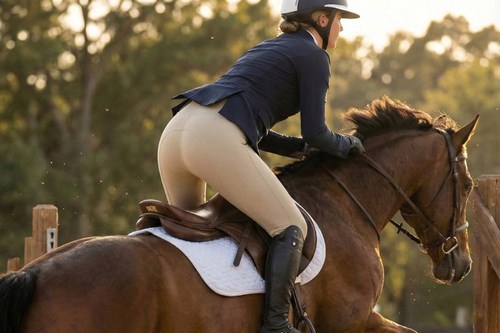
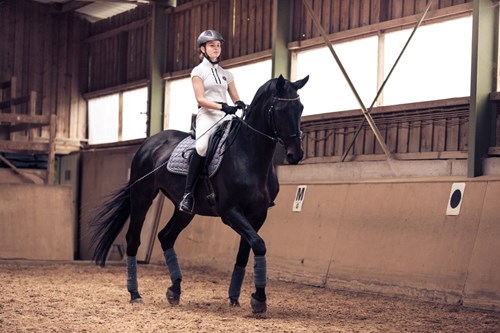
Your physical posture and mental state in the saddle directly and deeply shape your horse's immediate psychology. An anxious rider reflexively tightens the reins. They shrug their shoulders. They hold their breath. The horse perceives this contraction as a danger signal. Yelling at your horse escalates anxiety. Punishing the horse increases stress. The bond established with the horse must be built on empathy. You can explore the psychological dynamics of this approach in our Non-Violent Communication with Horses guide. Do not take the horse's reactions personally. They are merely giving instinctual responses to their momentary fears.
The Impact of Proper Equipment on Calmness
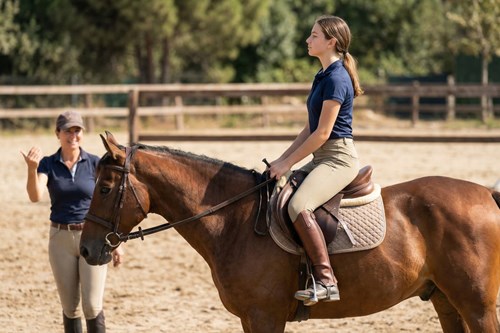
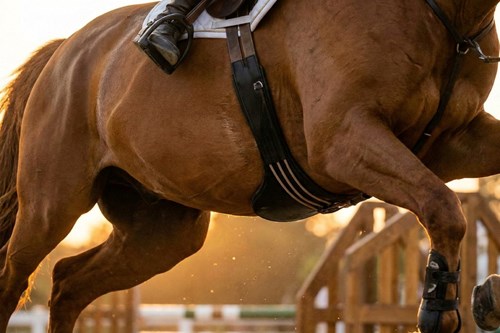
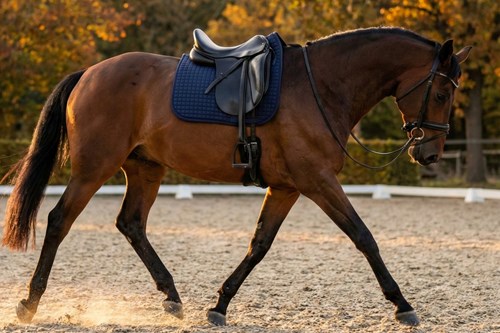
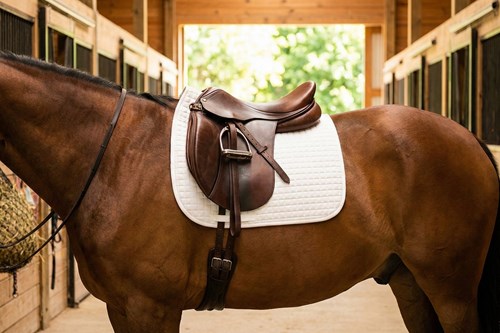
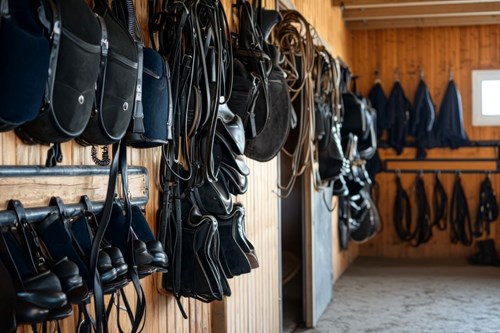
The feeling of physical discomfort is one of the primary external factors that trigger anxiety in horses and is the hardest to manage. An ill-fitting saddle digs into the horse's back. A harsh bit damages the mouth tissue. When a horse is in pain, it becomes tense. The horse shows a flight reflex. The flawless fit of the equipment to the horse's anatomy is of vital importance.
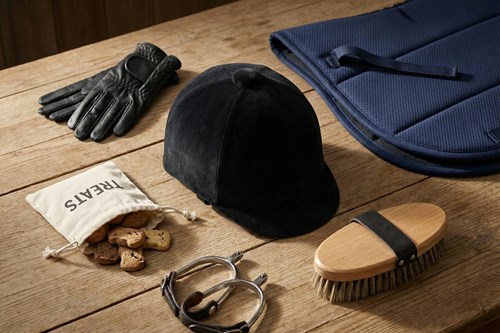
Choosing the right horse equestrian gear and equipment that perfectly fits your horse's build forms the foundation of riding safety. It is necessary to choose materials suitable for the sensitive structures of ponies. If you are looking for correctly designed gear, you can explore the special pony equestrian gear and equipment series. You can secure your partner's physical comfort this way.
Practical Steps to Calm Your Horse and Yourself
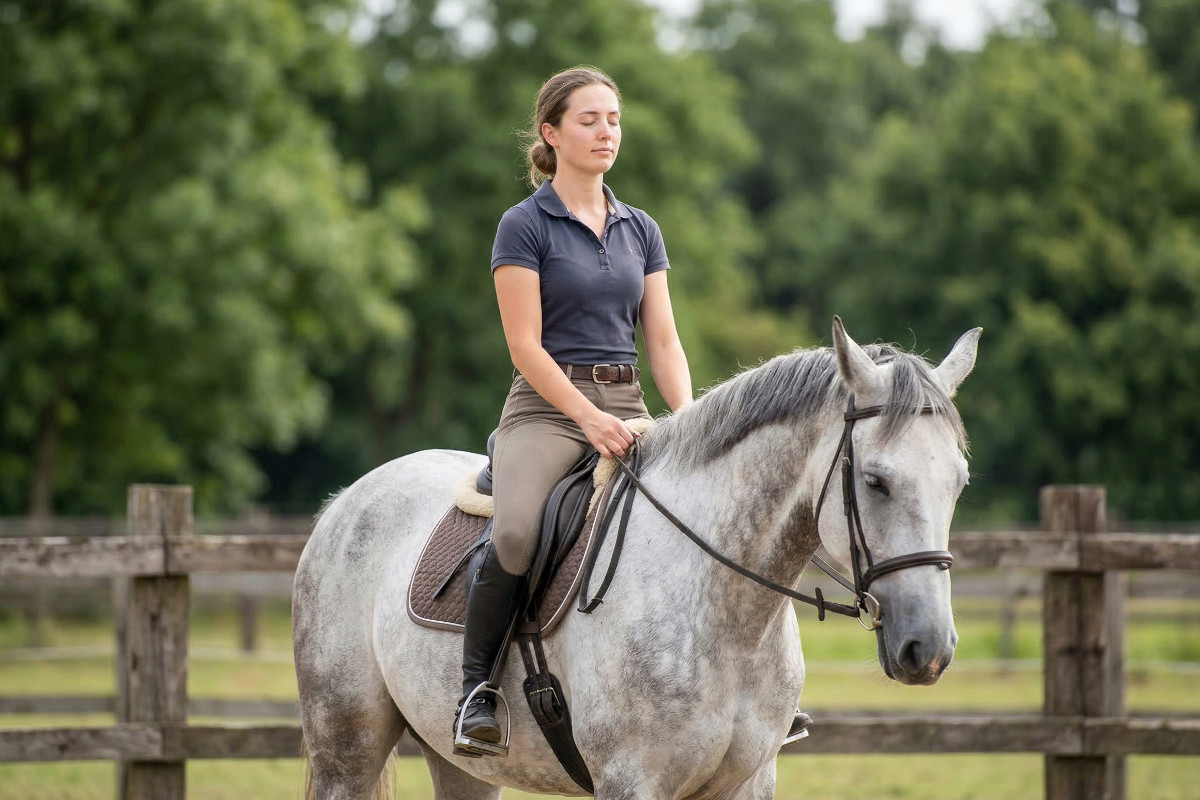
To take control of the situation and ensure safety during moments of anxiety, you must take clear, decisive, and calm steps. Relaxing your body is the first rule.
-
Take a Deep Breath: Breathe deeply from your stomach. Exhale slowly and audibly. When you exhale, your horse relaxes.
-
Shift Your Focus: Do not look at the object that scares the horse. Focus on the horizon.
-
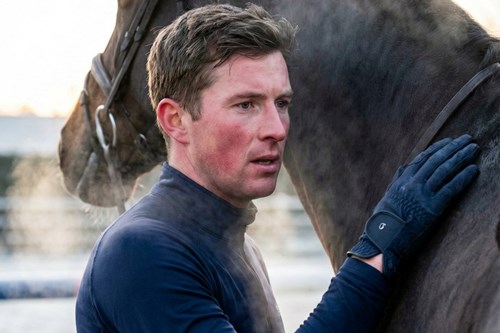
Soften the Contact: Do not grip the reins tightly. Keep your elbows flexible. Lighten your communication. Stroking the horse's neck gives it confidence.
-
Sing: Your own voice slows down your heart rate. It offers a familiar frequency to your horse. Use a low-toned voice.
-
Groundwork: If things get out of control in the saddle, dismount. Steering exercises done on the ground refresh trust.
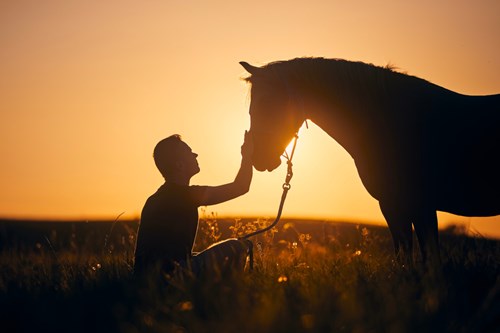
The time spent in the saddle represents the art of two different living beings moving in perfect harmony. Hear your horse's whispers. Prevent them from turning into screams. When you maintain your own inner peace, your horse will follow your lead.