DESIGNED BY RIDERS, FOR RIDERS


Stress-Free Horse Transport Checklist for Races and Long Trips
Preparing a Horse for Long-Distance Travel
Long-distance travel is challenging for both the horse and the owner. A number of things need to happen before a horse will successfully complete a long distance. The first thing that needs to occur is to prepare the horse, which includes establishing consistent daily routines for the horse (to keep them comfortable) and checking to see if the horse has any pre-existing health issues.
Preparation begins the day before the long distance event. Daily routines that create a sense of familiarity and consistency for the horse are important to maintain. The horse's veterinarian or an experienced groom can perform a quick health check to identify potential problems before the horse leaves for the long distance event. The health check can also assist in identifying areas where the horse may experience difficulty during the event.
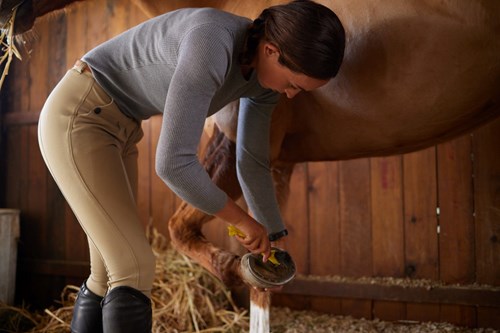
During the health check, the veterinarian or groom should assess the horse's hydration level, the pulse of the horse's digital veins, and any possible skin irritation that could become exacerbated by the travel. Many competition barns track temperature to monitor the horse's body heat and detect any unusual changes in the horse's temperature prior to departure. A small, one degree difference in body temperature can indicate a problem with the horse's health.
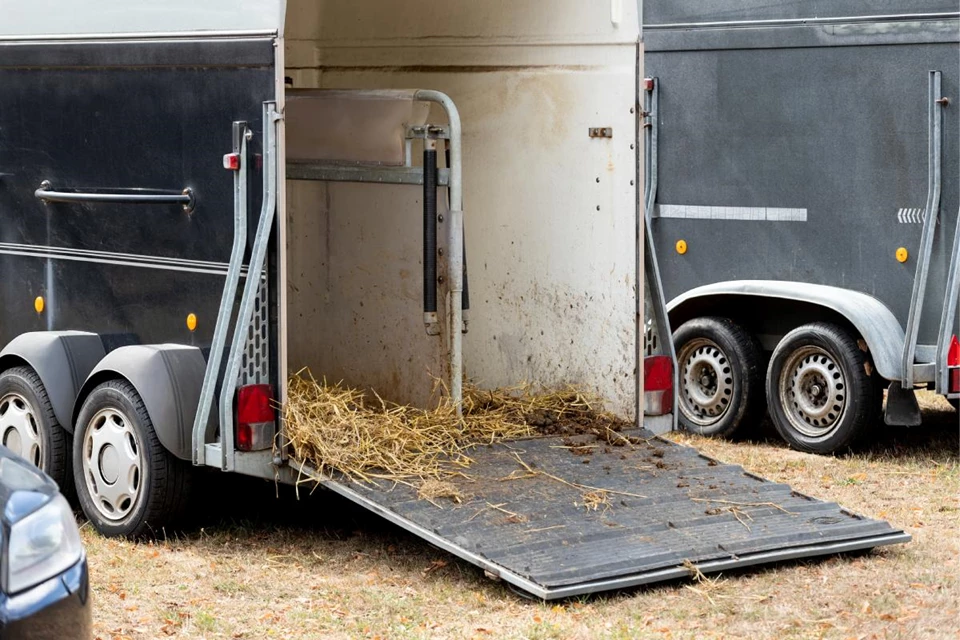
Another important aspect of preparation for a horse before a long distance event is the horse's familiarity with its trailer. While some horses load easily into a trailer, other horses have difficulties. To minimize this risk, the horse can be given the opportunity to become familiar with the trailer through a short practice loading session the day before the long distance event. Additionally, a little hay placed in the back of the trailer can also make the horse feel more at ease.
In addition to equipment designed to provide support and protection to the horse's legs and hooves, there are a variety of products available to the owner to make the travel process easier. Most owners have a preference regarding the type of product they use. However, the most important considerations for selecting travel products are comfort and minimizing the possibility of irritation to the horse.
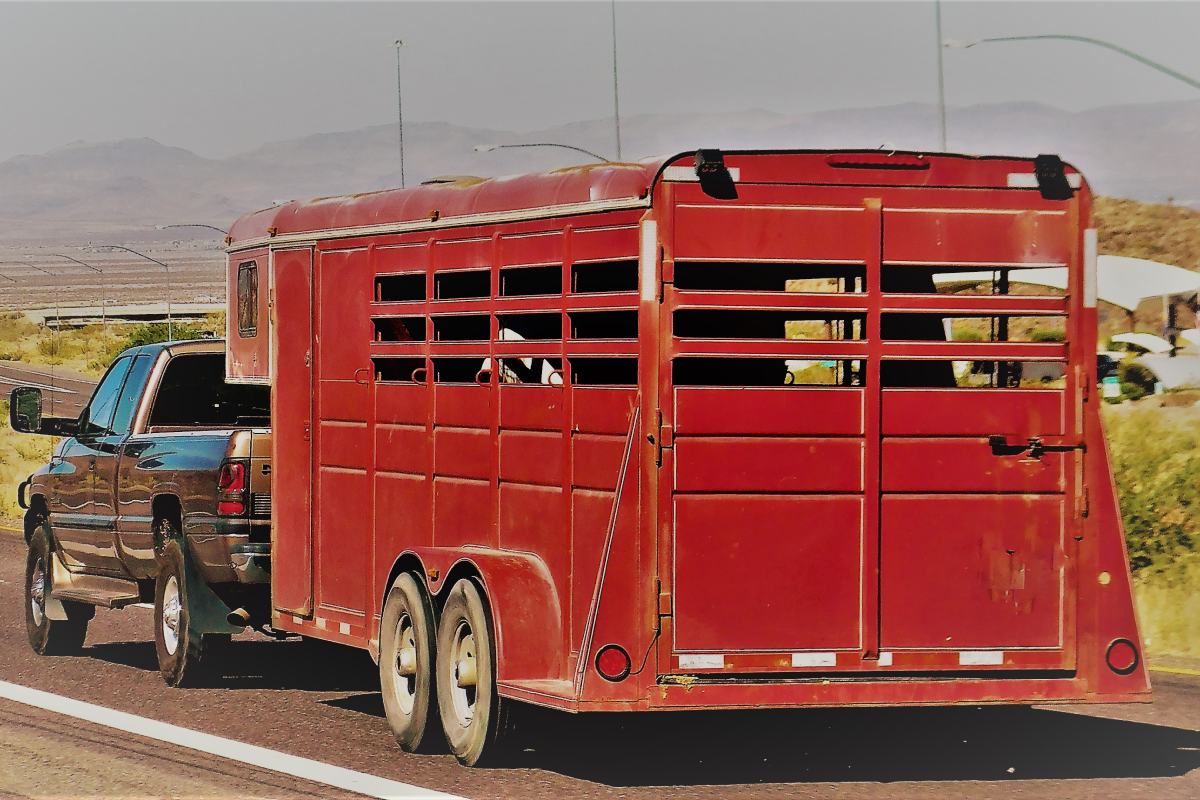
Leg Protection
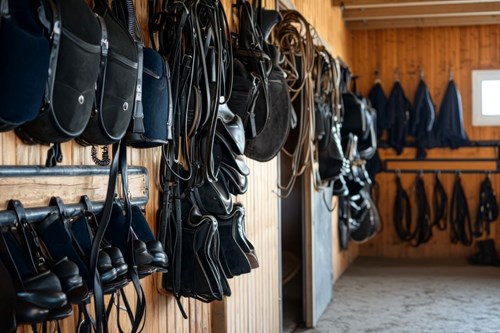
Full travel boots are ideal for horses that are calm and steady. Polo wraps are best for horses that are sensitive and nervous. Bell boots can be used to prevent shoes from being pulled off of the horse's feet when it is being loaded into the trailer. It is generally best to use a combination of leg protection items, however, if the items are not chosen carefully, they can cause more harm than good.
For example, using a combination of wraps underneath unstable boots can be detrimental to the horse. Leg protection products should be selected based on the individual characteristics of the horse, rather than the characteristics of the owner.
Halters and Leads
Leather halters are the safest option because they tend to break when excessive force is applied. Synthetic halters are also very strong, but they may not be as "forgiving" as leather halters. Panic clip lead ropes can be useful in emergency situations where the horse becomes reactive.
The Hay Net Trick
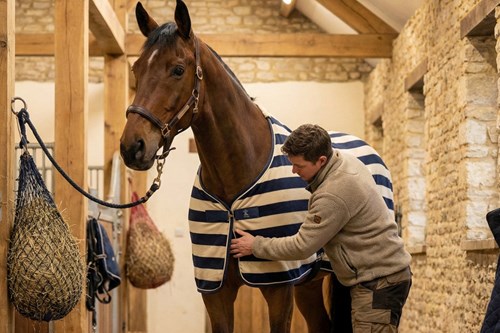
Chewing hay tends to settle horses down. Chewing slow-feeds also tend to reduce the stress associated with travel. Several Kentucky barns recommend providing hay nets to horses traveling in a trailer. Owners are cautioned to place the hay net in a location where the horse cannot get its hooves caught.
Trailor Conditions
It is common for horses to arrive at a destination wet and sweaty from a poorly ventilated trip, even if the distance traveled was relatively short. The interior of the trailer has a significant impact on the horse's well-being.
Ventilation
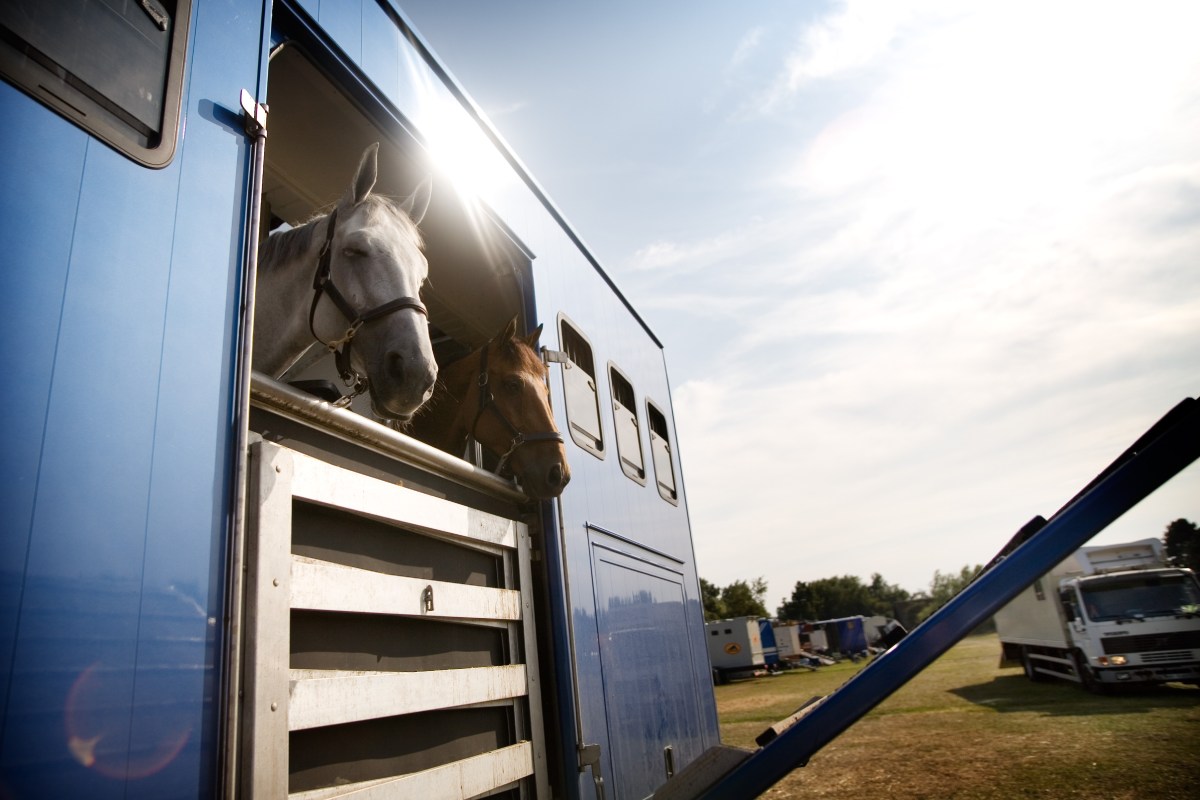
Good ventilation is far more important than maintaining a low temperature within the trailer. Trailers can become extremely warm, regardless of whether the outside temperature is warm or cool. Owners are encouraged to leave windows open to allow air to circulate, but to avoid allowing the wind to blow directly into the horse's face.
Bedding
A layer of bedding material, such as shavings or straw, can provide traction to the floor of the trailer and absorb urine. As horses continue to move while traveling, they are essentially surfing without seeing the waves. Therefore, having stable footing is essential.
Checking the Trailer Before Loading
Before placing the horse in the trailer, owners are encouraged to check the trailer to ensure that:
- There are no sharp objects or edges exposed.
- All dividers are locked into position.
- The ramp has sufficient traction.
- The emergency exit door functions properly.
While these may seem like minor issues, they can quickly become major concerns.
Paperwork, Regulations, and "All That Other Stuff"
Traveling with horses for competitions is exciting, until it comes time to deal with the paperwork involved in transporting horses. Riders generally do not enjoy dealing with paperwork, but unfortunately, it is part of the process.
Health Certificates and Passports
Many competitions require evidence of current vaccinations, a negative Coggins test, and proof that the horse has been issued a passport. In fact, even local events may request to review the horse's documents during certain times of the year when diseases are prevalent.
Route Planning
Using GPS devices may be convenient for planning routes, but they do not always account for hazards that may exist along the route. Experienced drivers generally avoid driving through villages with narrow streets, sharp corners, and steep hills. Drivers should plan to stop and give the horse opportunities to stretch, drink, and readjust itself every three to four hours. In reality, a somewhat disorganized paper map with a few scribbled notes may prove to be more helpful than a perfectly accurate digital map that loses signal.
Loading the Horse
When loading the horse into the trailer, it immediately becomes apparent if the horse is calm or stressed. Some horses load calmly, while others appear to be hesitant and/or frozen in fear as if they were considering all of their past decisions.
Approach the Horse Calmly
The surrounding area should be quiet when approaching the horse. Allow the horse to observe its surroundings and then approach it calmly. Many competition barns use a "walk in, walk out, walk in again" routine to remove tension before closing the gate.
Secure the Horse Safely
Once the horse is positioned correctly, the halter should be tied to the trailer. Once the horse is still, the partition should be closed. Finally, double-check the butt bar to prevent the horse from suddenly reversing direction and catching the handler off guard.
On the Road
The goal of a successful trip is for nothing to go wrong.
Drive Smoothly
Owners should drive smoothly, using gradual acceleration, making wide turns, and applying gentle brakes to keep the horse balanced. Abrupt braking or rapid acceleration can create additional stress for the horse.
Hydrate the Horse
Owners should provide water to the horse at each of the planned stops. Some horses refuse to drink from unfamiliar buckets, so owners are advised to bring the bucket the horse normally drinks from.
Be Aware of the Horse's Body Temperature
If owners would not want to sit in the trailer at the same temperature as the horse, then the horse should not either.
Check for Stress
Unless there appears to be a serious issue, owners should not spend too much time monitoring the horse during the trip. Indications of stress include excessive sweating, pawing, flared nostrils, or continued shifting of the horse's weight.
Upon Arrival
Arriving at the destination is not the end of the event, but rather the beginning of the transition.
After Arriving
The first minutes after arriving at the destination should include walking the horse for a few minutes to assist the horse in regaining balance and stretching. Some horses may exhibit a slight head shake as they begin to readjust.
Provide Water Immediately
After arrival, provide the horse with water immediately. Electrolytes may also be beneficial, especially if the trip was long or occurred in hot temperatures.
Conduct a Post-Trip Inspection
Inspect the horse's legs for signs of swelling, rub marks, or stiffness. If anything seems slightly off...pause and investigate further. Early detection is essential to ensuring that the horse recovers quickly and minimizes the possibility of future injury.
Quick Master Checklist
- Did the horse receive a health check?
- Is the temperature of the horse recorded?
- Are the horse's shoes and legs checked for damage?
- Have travel boots or wraps been placed on the horse's legs?
- Has a leather halter been packed?
- Is the hay net in position?
- Were water containers filled?
- Was the necessary paperwork completed?
- Did the owner check the trailer for safety features?
- Was the route mapped?
- Was the emergency kit loaded?
- Are electrolytes packed?
- Did the owner load the horse calmly?
- Does the owner drive smoothly?
- Did the owner stop regularly?
- Does the owner recheck the horse upon arrival?
FAQ
How long can a horse stay in a trailer?
Most horses handle 6–8 hours comfortably with breaks. For very long trips, many haulers prefer unloading every 8–12 hours to protect the legs.
Should a horse travel with a rug?
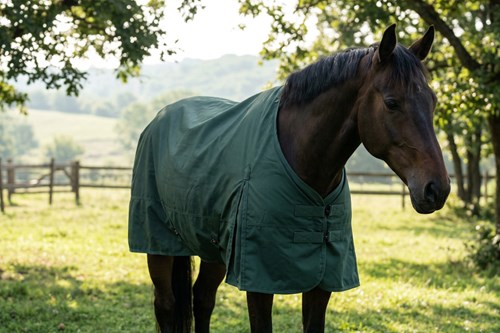
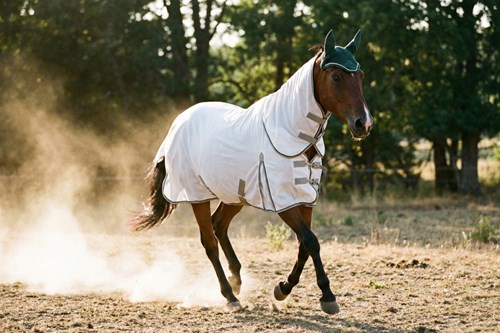
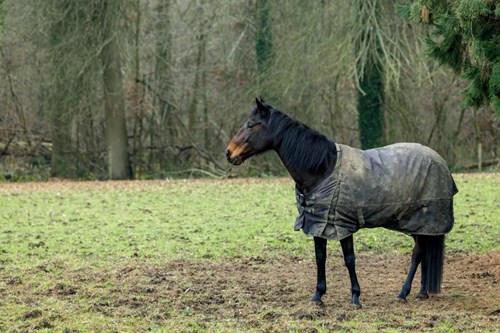
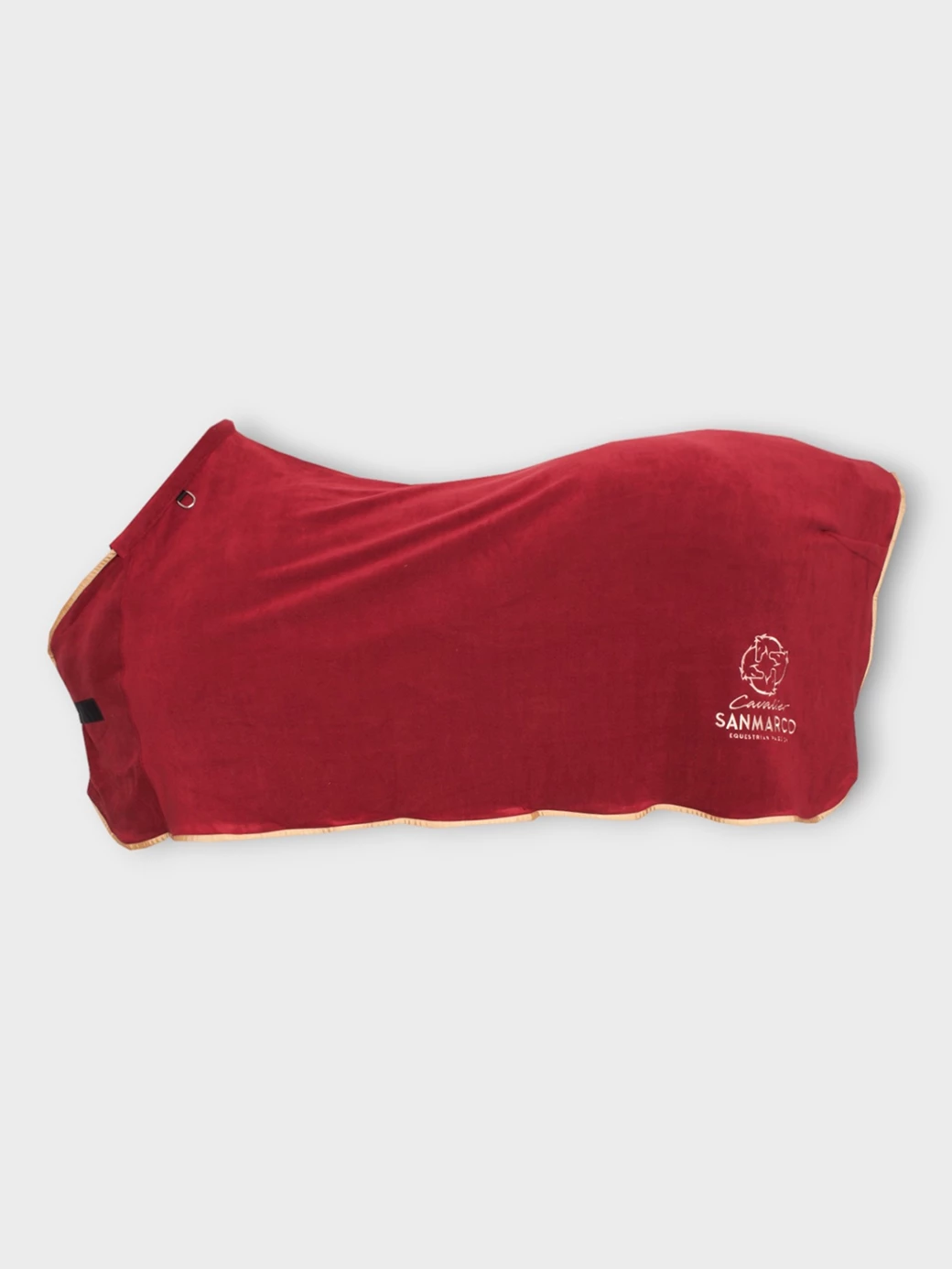
Only when necessary. Light, breathable rugs work in cold weather. Too much layering causes sweating and discomfort.
Are travel boots required?
Helpful, yes. Mandatory, no. Some horses travel calmer with polo wraps or just bell boots.
How do I reduce loading stress?
A quiet environment, consistency, and sometimes a companion horse reduce anxiety.
Should grain be fed before traveling?
Avoid grain right before long trips. Hay is safer and easier on the stomach.