DESIGNED BY RIDERS, FOR RIDERS


What to Wear When Horse Riding: A Guide for Beginners
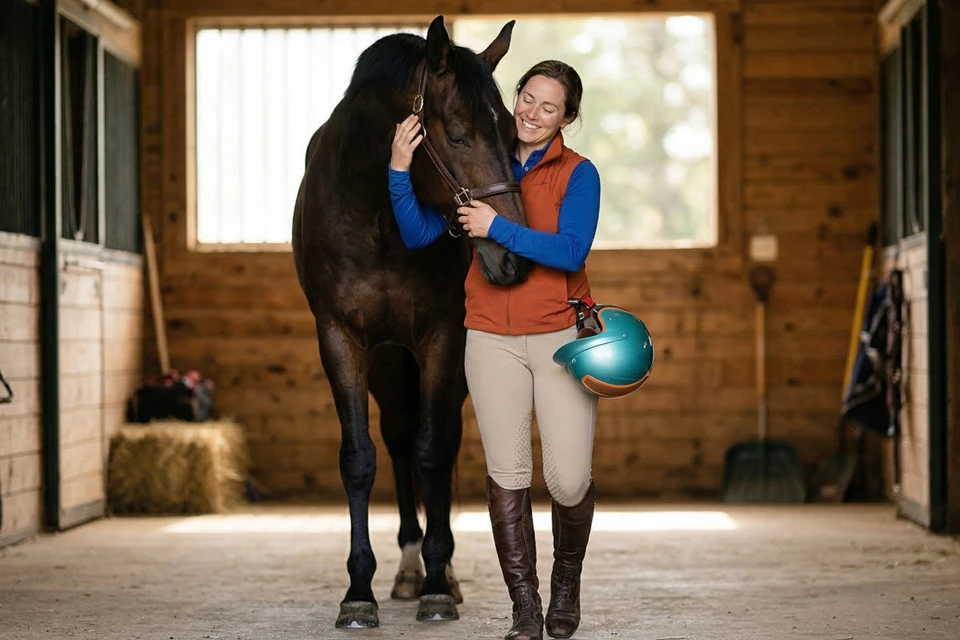
Stepping into the world of equestrian sports is one of the most exciting decisions you will ever make. However, as your first lesson or trail ride approaches, an inevitable question will likely cross your mind: "What exactly should I wear when riding a horse?"
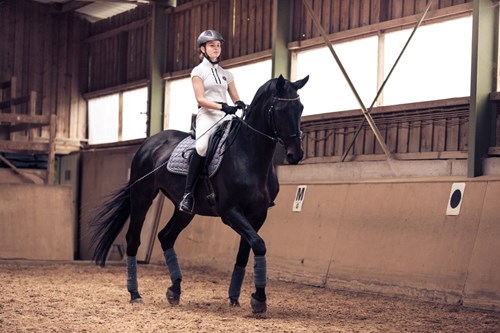
Choosing equestrian apparel is not merely a matter of visual style. The garments you wear directly impact your safety, mobility, communication with the horse, and overall comfort in the saddle. A pair of jeans or sneakers that feel great in everyday life can rapidly turn into severe chafing hazards or critical safety risks on horseback.
In this detailed guide, we explore exactly what you need from head to toe to ensure you feel secure and comfortable from your very first day in the arena.
1. The Essential Piece: Why Breeches Instead of Jeans?
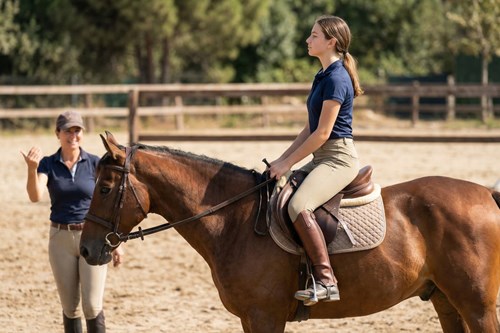
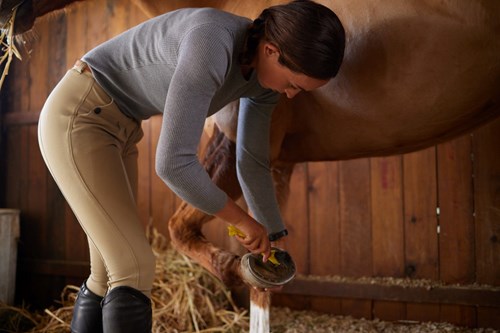
The most common mistake beginners make is riding in denim jeans or slippery athletic leggings. The thick inner seams of jeans get caught between your leg and the saddle, causing painful friction and chafing. Slippery everyday leggings, on the other hand, make it difficult to maintain your grip, causing you to lose your balance during movement.
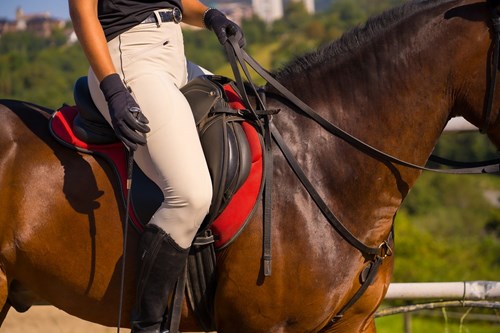
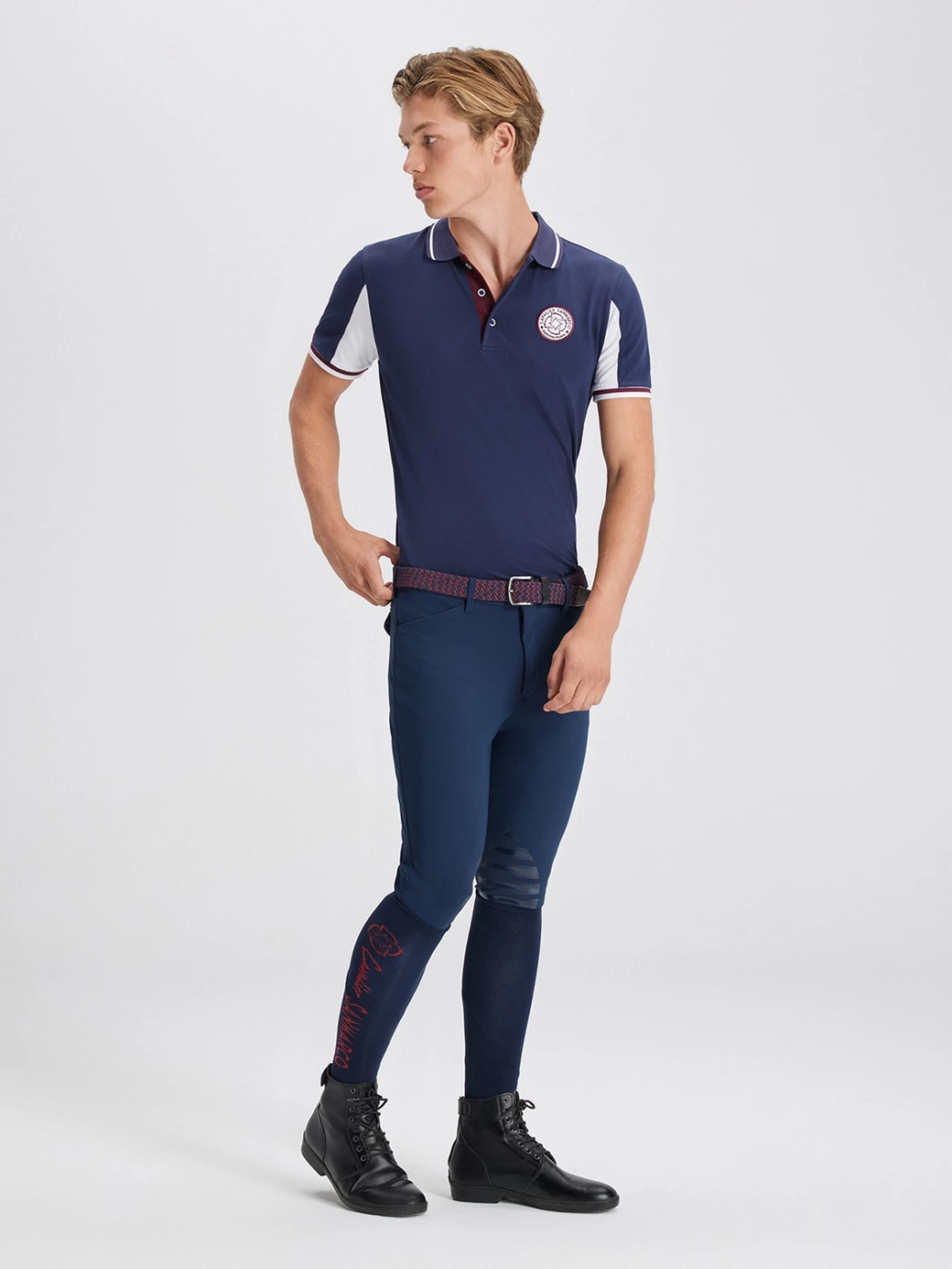
You must opt for dedicated riding trousers, known as breeches, instead. Breeches offer the following advantages:
-
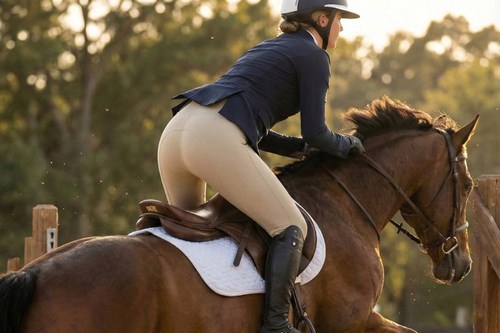
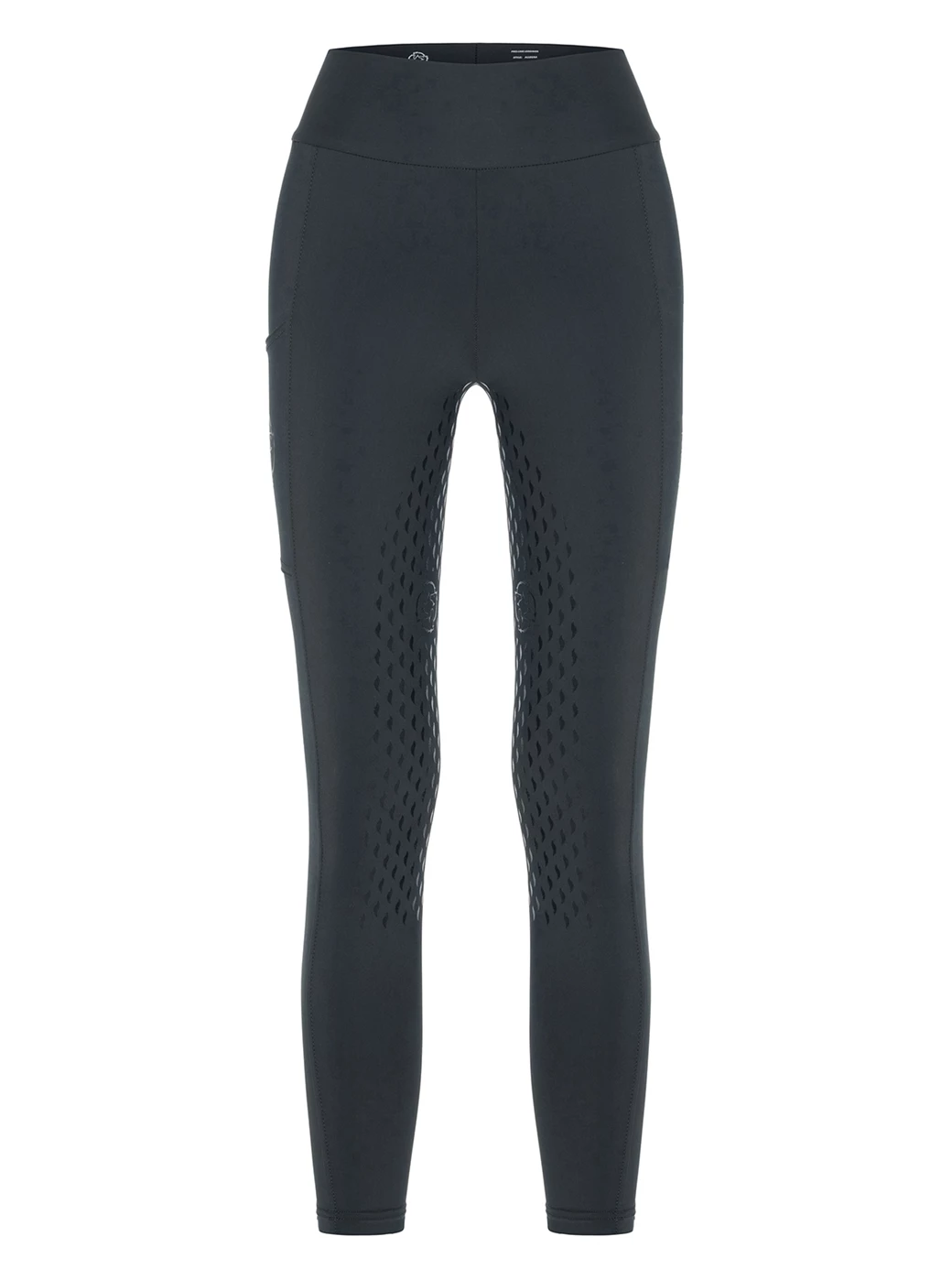
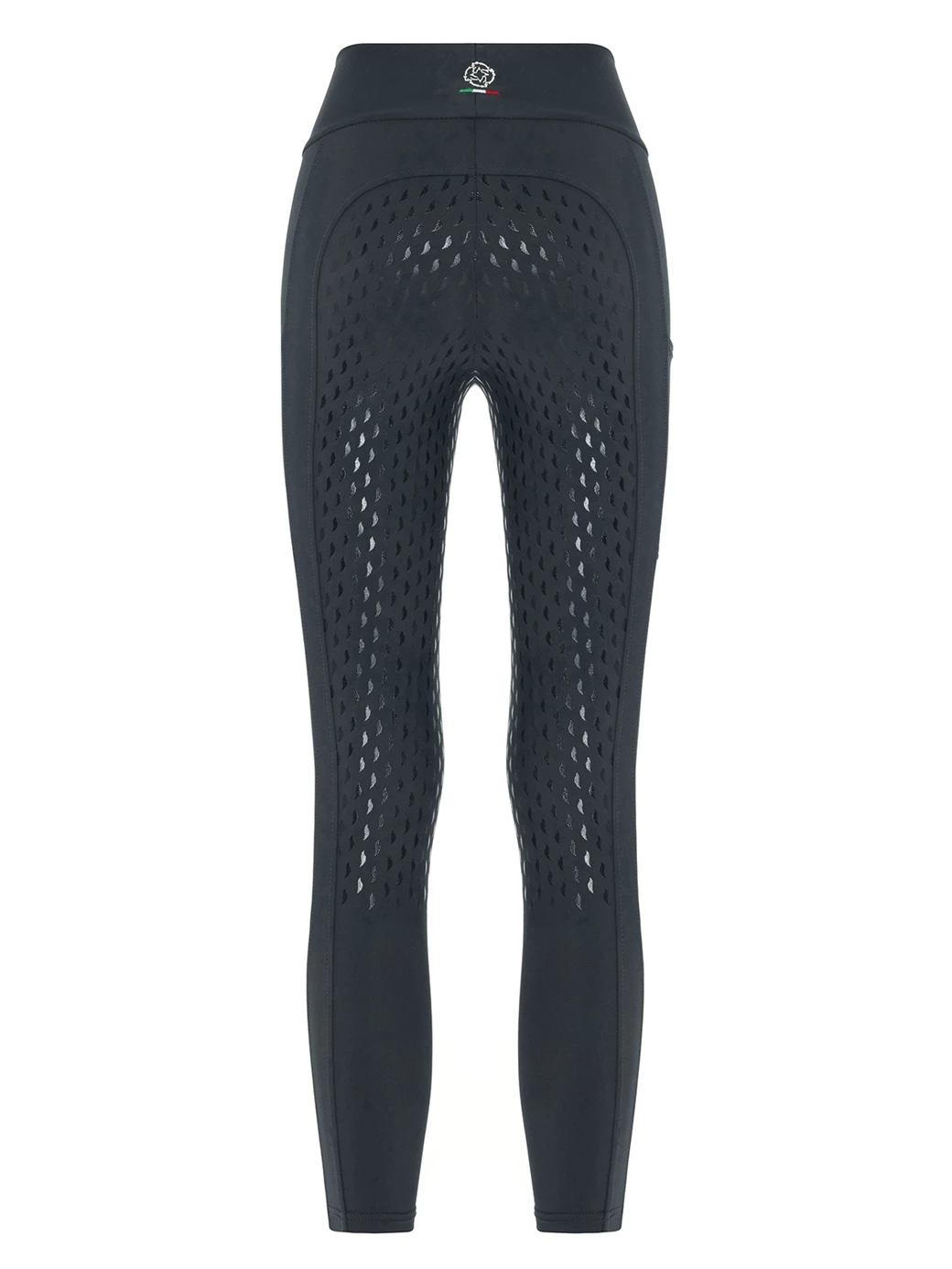
Seamless Inner Design: There are no seams on the inside of the leg. This design ensures smooth and painless contact with the saddle flaps.
-
Grip Support: Silicone or leather patches located on the inner knees or across the entire seat (full-seat) prevent you from sliding, securing your riding posture.
-
Flexibility: Manufacturers use special 4-way stretch fabrics. These materials allow you to swing your leg over the horse easily and flex with the animal's motion.
2. Foot Safety: Paddock Boots or Tall Boots
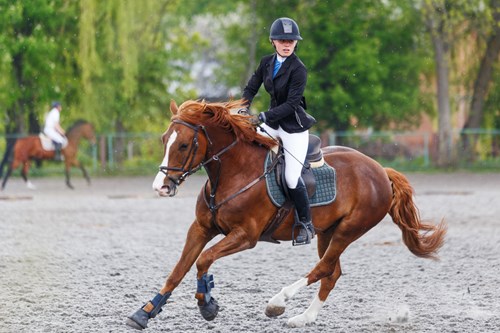
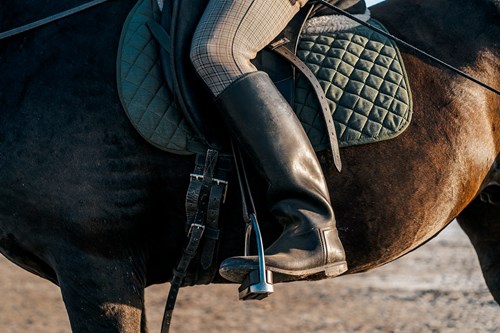
You must never wear flat-soled sneakers while riding. The most critical safety feature of equestrian footwear is a distinct heel measuring approximately 1 inch (2-3 cm). This heel acts as a physical barrier. It prevents your foot from slipping too far forward and getting trapped inside the stirrup iron.
There are two primary footwear solutions for beginners:
-
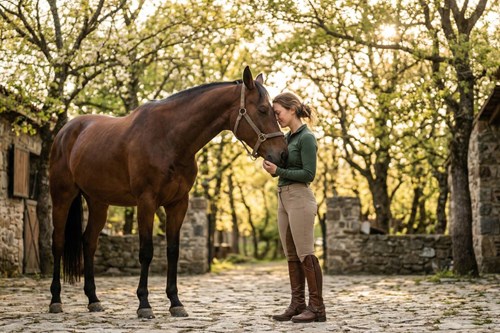
Paddock Boots and Half Chaps: A paddock boot is a short riding boot that reaches just above the ankle. You pair these with "half chaps"—leather or synthetic gaiters that zip over your lower leg up to the knee. They protect your calf from saddle friction. This combination is the most practical and flexible solution for new riders.
-
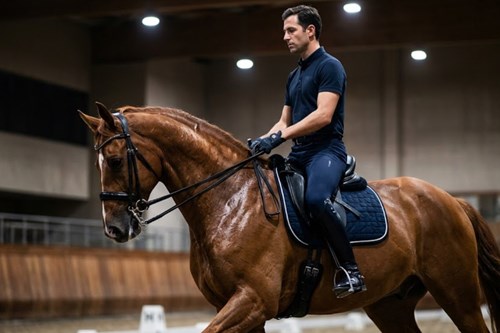
Tall Riding Boots: These are traditional, one-piece leather boots extending just below the knee. They wrap the calf perfectly. Tall boots provide excellent stability and transmit your leg aids to the horse with high precision.
3. Upper Body: Freedom of Movement and Sweat Management
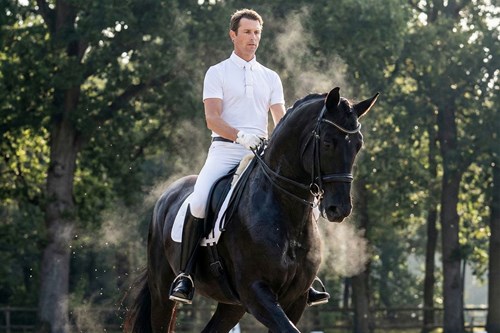
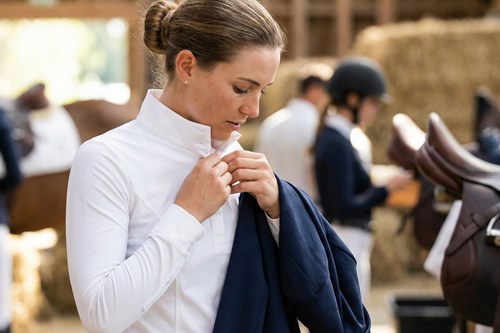
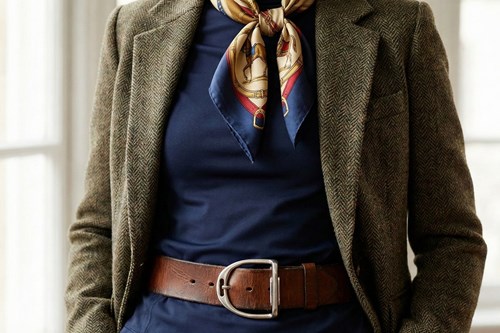
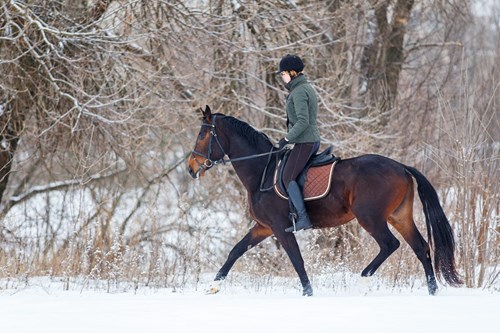
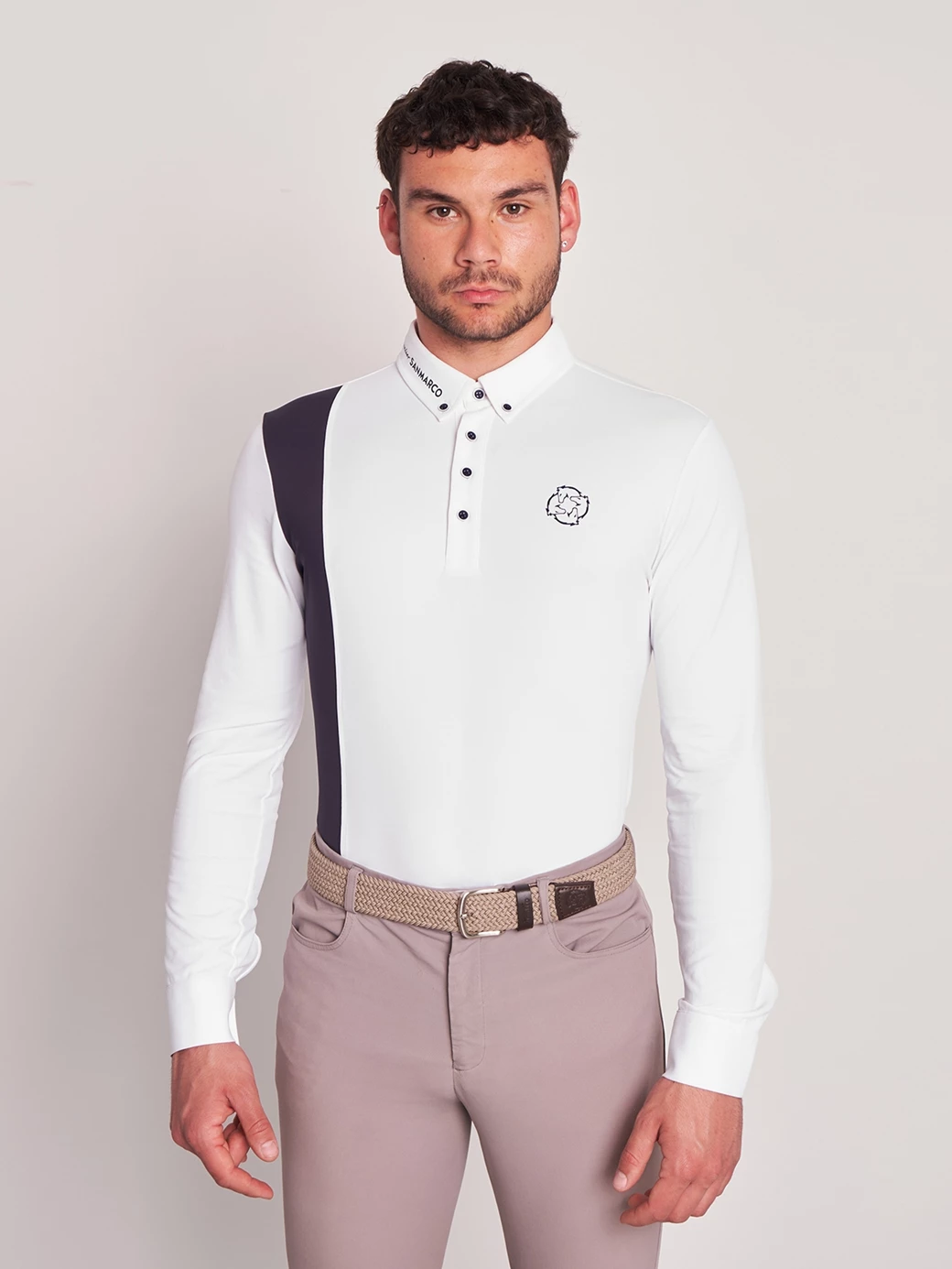
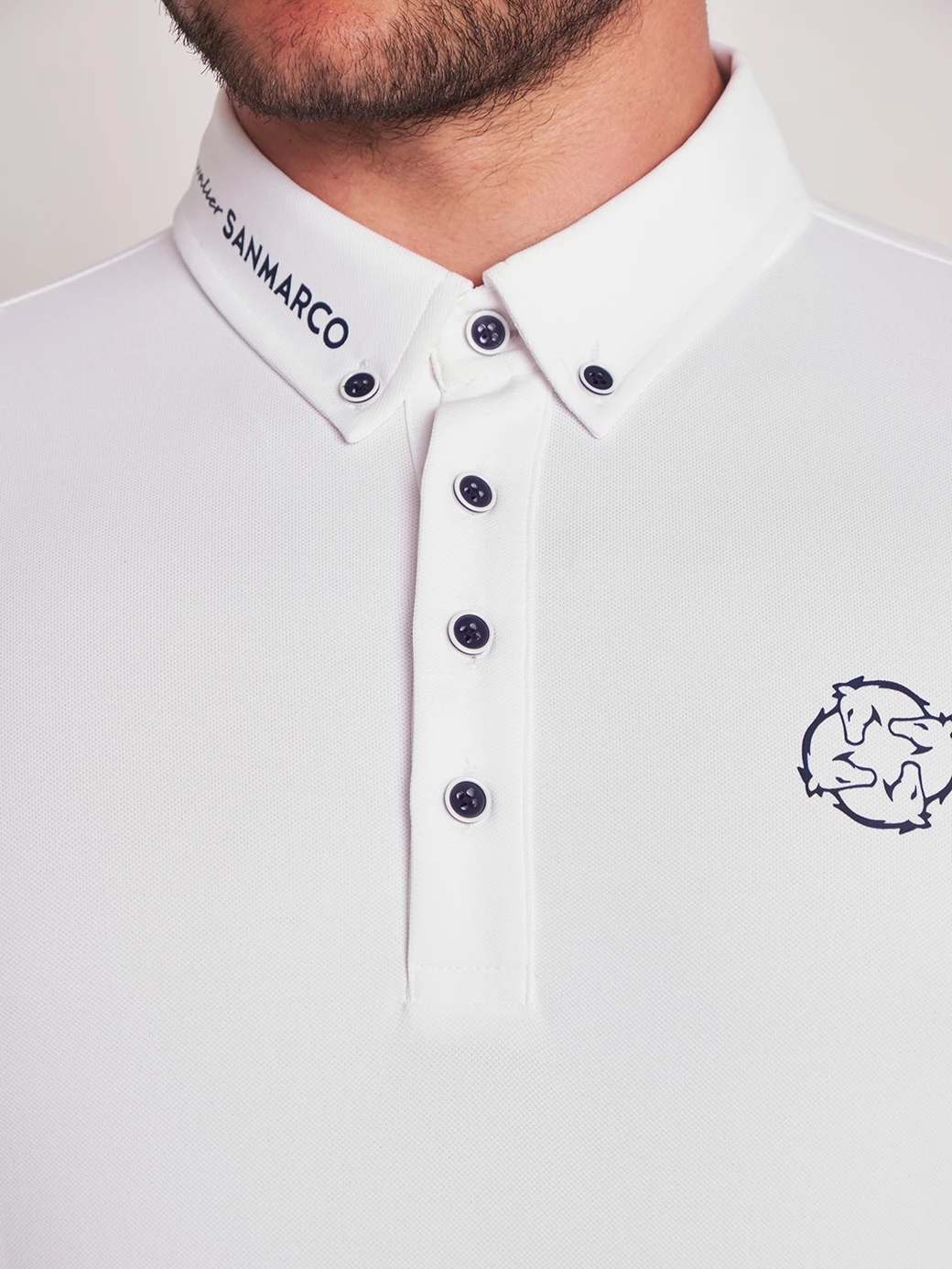
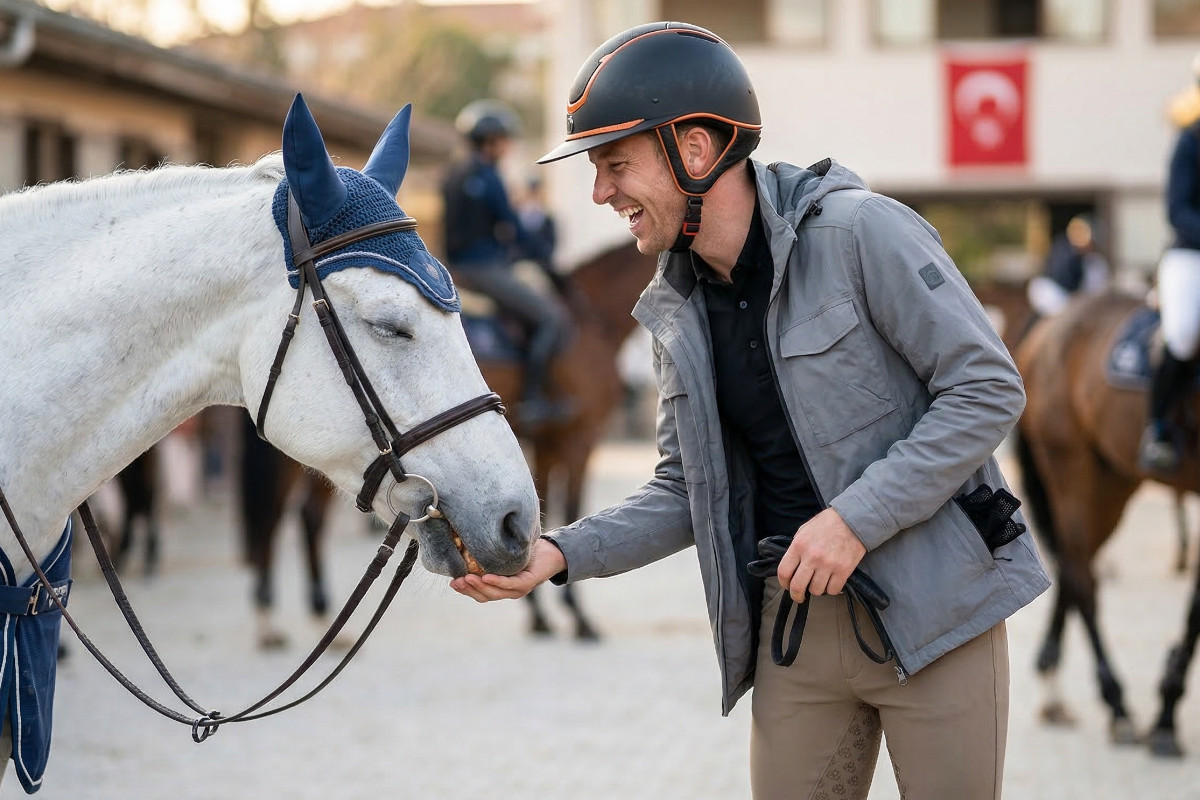
Horseback riding requires intense physical effort that engages all major muscle groups. You should avoid cotton t-shirts that absorb sweat and remain damp. Instead, gravitate towards technical fabrics that wick moisture away from the skin and actively regulate your body temperature. Your upper garments must fit well without restricting your movement. This tailored fit allows your arms, shoulders, and core to seamlessly follow the horse's rhythm. Excessively baggy clothes will flap in the wind, distract your focus, or potentially catch on the back of the saddle.
You can apply the following strategies to adopt a professional approach to your upper body gear:
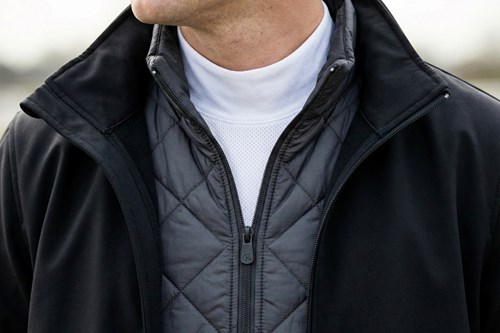
- Inner Layer System: Moving sweat away from the body and keeping muscles warm is vital, especially during cooler weather. You can learn exactly how to build this thermal system by reading our detailed guide: Base Layer Selection: Sweat Management, Heat Balance, and the Art of Layering.
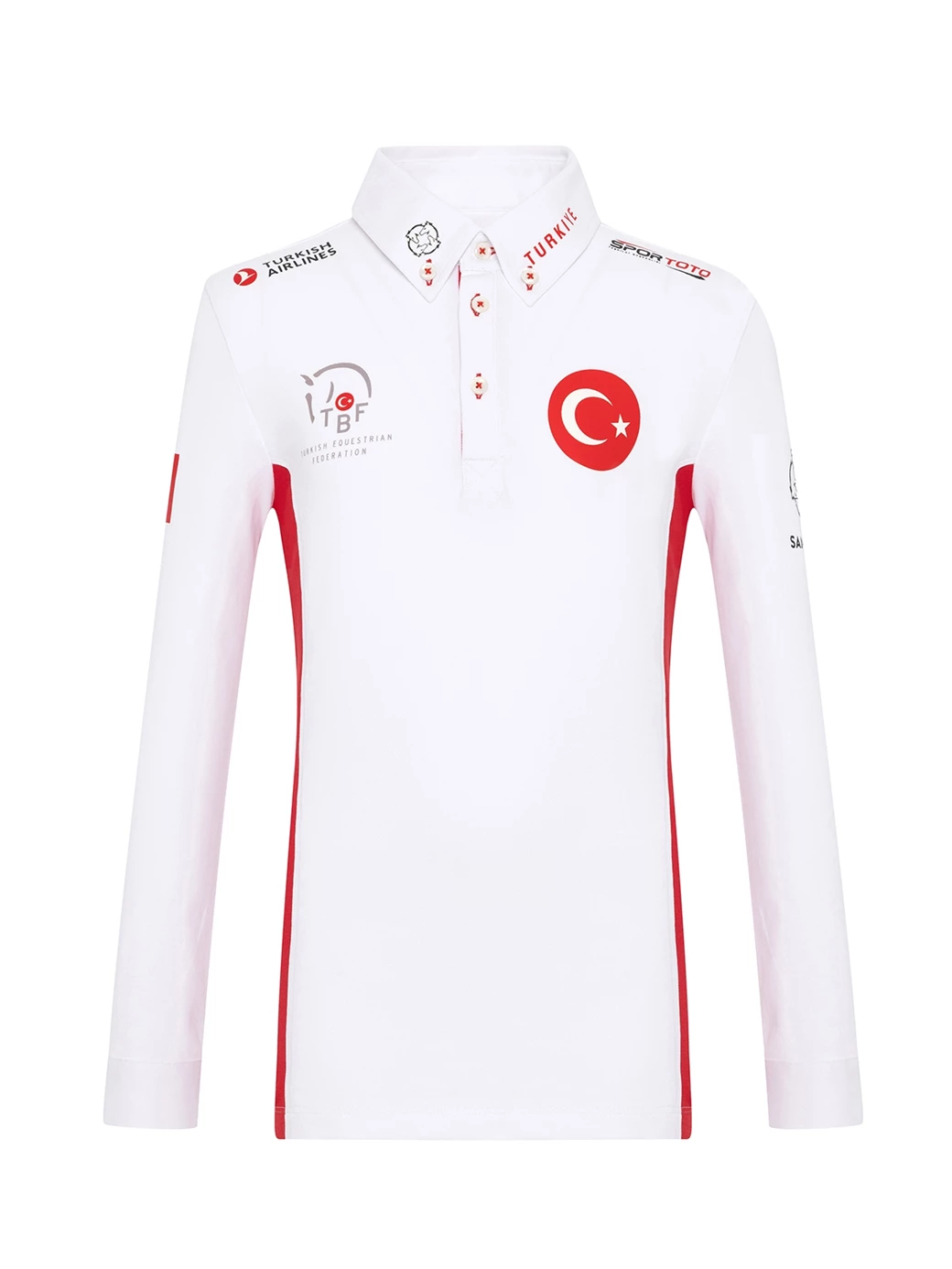
- Elegance and Function in Hot Weather: Maintaining maximum athletic performance without compromising your style under the summer sun requires the right fabric choices. Review our Technical Polo or Technical T-Shirt? guide to discover your best options.
4. The Non-Negotiables: Riding Helmets and Gloves
-
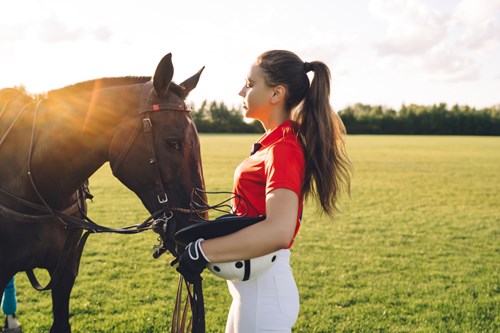
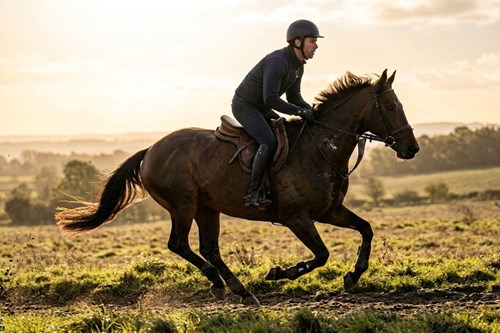
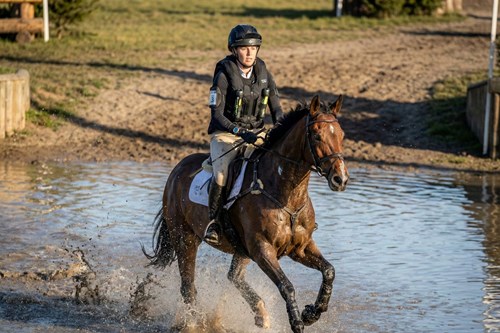
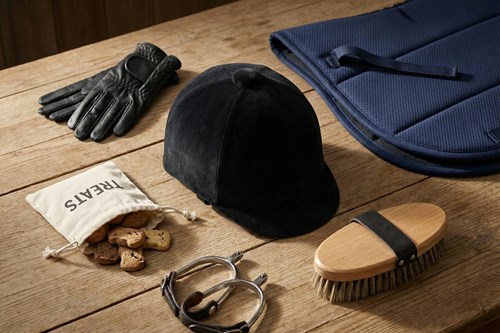
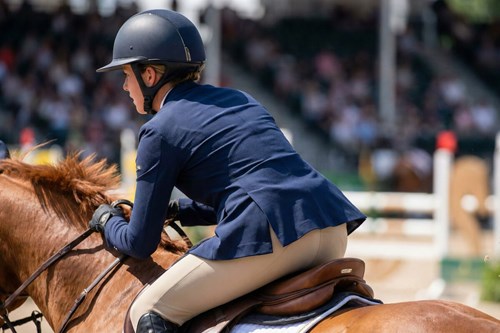
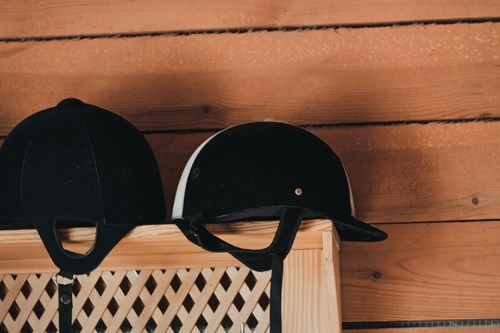
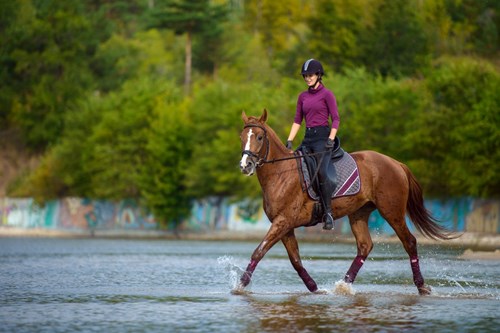
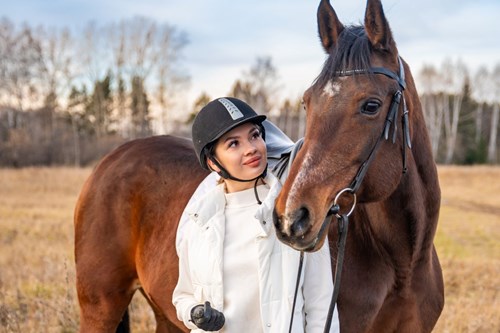
Equestrian Helmet: Never mount a horse without a properly fitted helmet. Bicycle or motorcycle helmets do not protect against the specific impact biomechanics of equestrian falls. You must acquire an equestrian-specific helmet that fits your head shape flawlessly, features a secure chin strap, and holds current international safety certifications (such as VG1 or PAS 015). While most riding schools rent out helmets for your first few lessons, purchasing your own should be your top priority investment.
-
Riding Gloves: Leather or rubber reins can slip through your fingers as the horse moves its head, leading to painful blisters and skin abrasions. Wearing thin equestrian gloves equipped with specialized grip surfaces protects your hands. They ensure a steady hold while allowing you to maintain a sensitive, soft connection with the horse's mouth.
5. Solutions for Every Age and Style
Selecting the right equipment that caters to your physical needs while merging safety with elegance significantly boosts your motivation. You can find everything required for a safe start within Cavalier San Marco's expertly crafted collections:
-
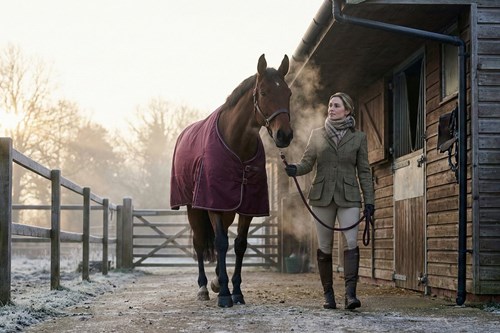
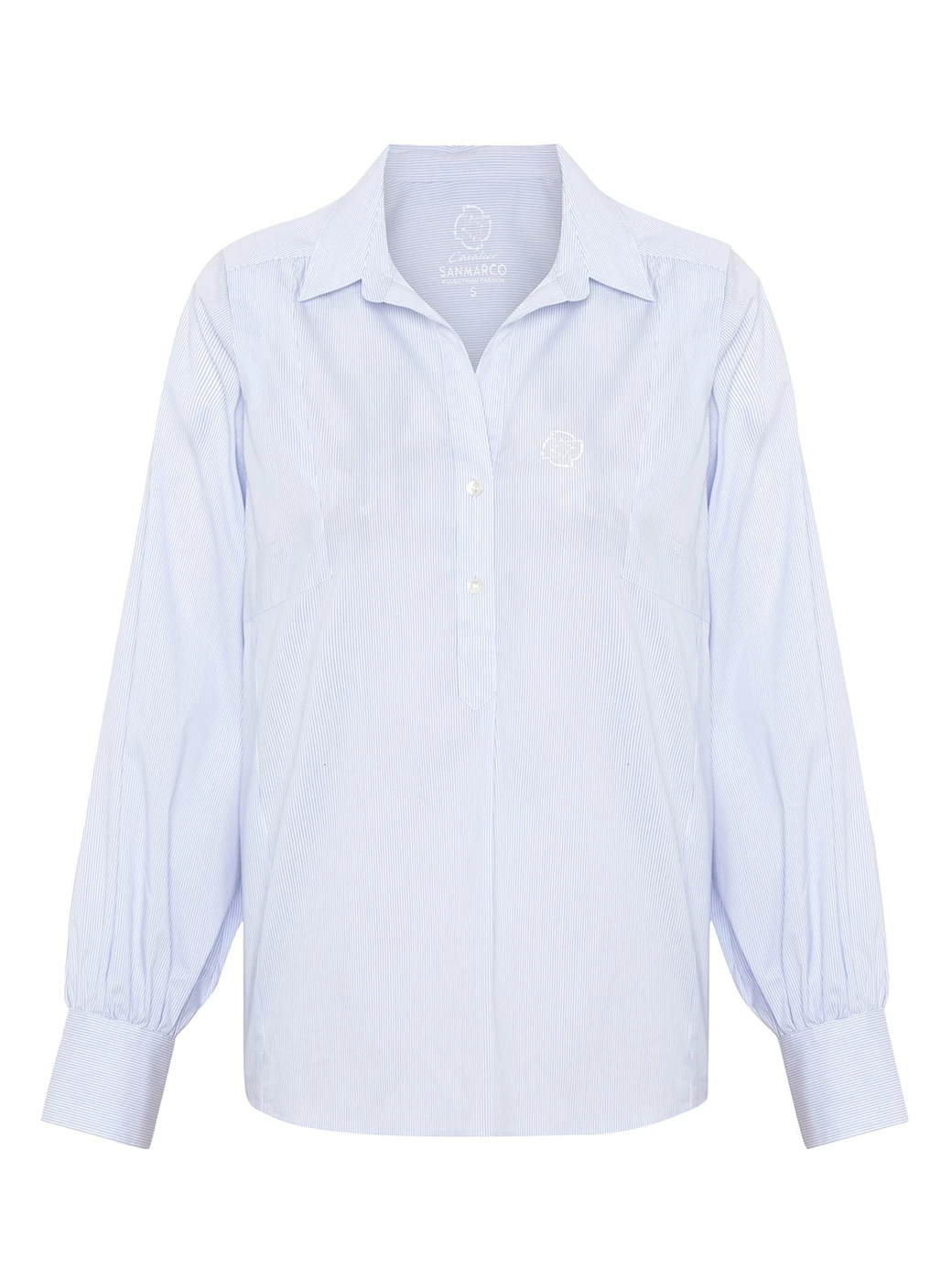
Where technical functionality meets elegant tailoring: Women's Equestrian Apparel.
-
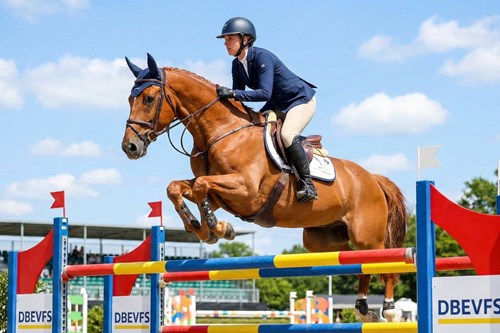
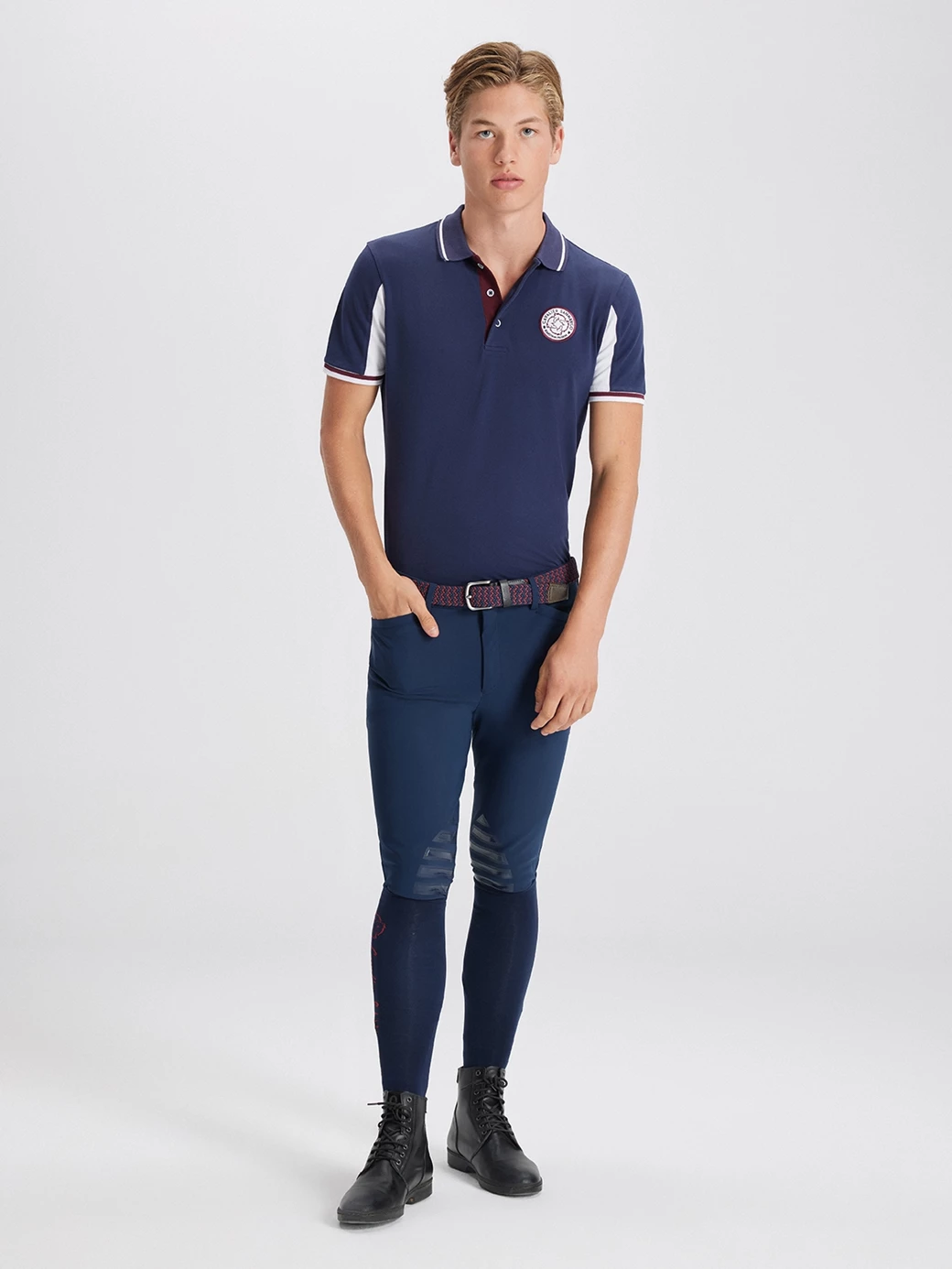
Delivering heavy-duty durability and maximum mobility: Men's Equestrian Apparel.
-
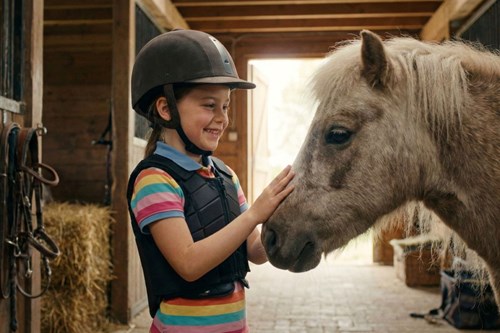
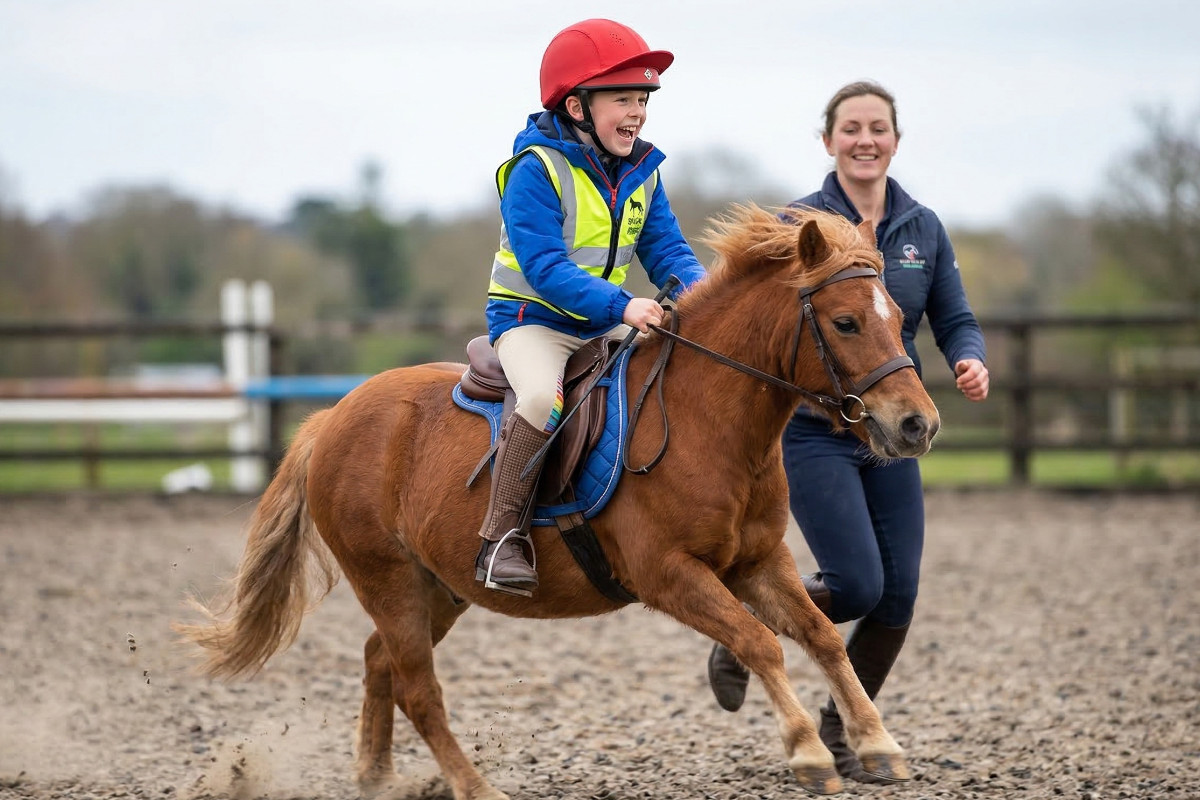
Specifically engineered for the safety and comfort of younger riders: Junior Equestrian Apparel.
Saddle Up Safely
Proper equipment acts as your most reliable assistant throughout your riding education. When you choose flexible, protective clothing that fits your body mechanics, every second spent in the saddle transitions from a potential stress factor into a unique bonding experience with your horse. Complete your gear checklist, take a deep breath, and enjoy the ride.