DESIGNED BY RIDERS, FOR RIDERS


Horse Riding Equipment for Beginners: What Do You Really Need?
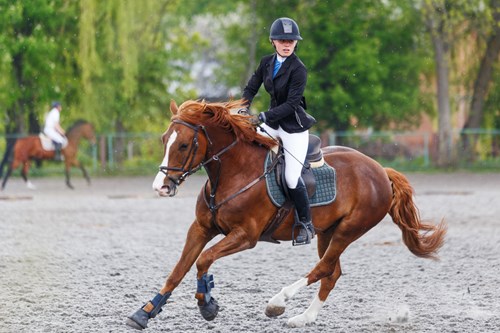
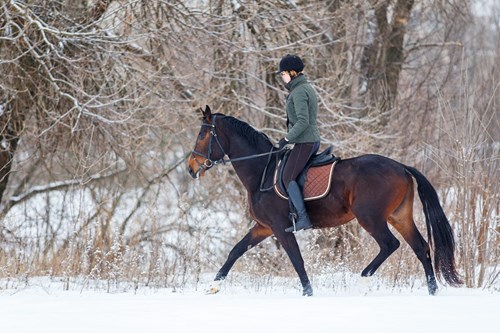
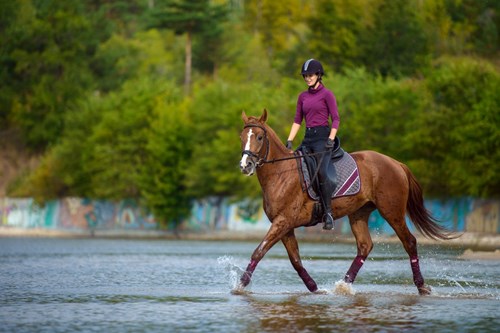
Equestrian sports require a unique harmony between horse and rider. Achieving this harmony isn't just about talent. Using the right equipment directly impacts your riding quality. Beginners often ask: "What gear do I need to buy?" or "Are regular gym clothes enough?" The answer is clear: Horse riding requires technical equipment with specific safety standards.
Regular clothes cause friction and chafing in the saddle. Flat-soled sneakers pose serious risks during a fall. In this guide, we detail the essential horse riding clothes and safety gear you need from your very first lesson. Here is your complete guide for a safe and comfortable start.
Safety First: Mandatory Protective Gear
Horse riding inherently involves risks. Horses are reactive animals. Even the calmest horse can spook at a sudden noise. Therefore, safety equipment is not a choice; it is a necessity.
1. Riding Helmet: The Most Critical Piece
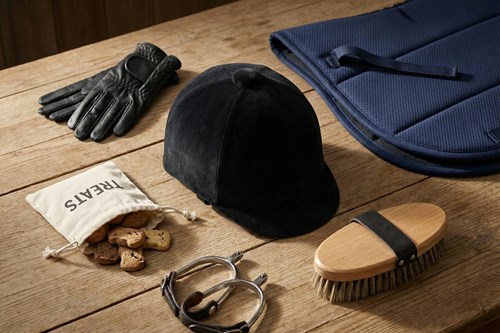
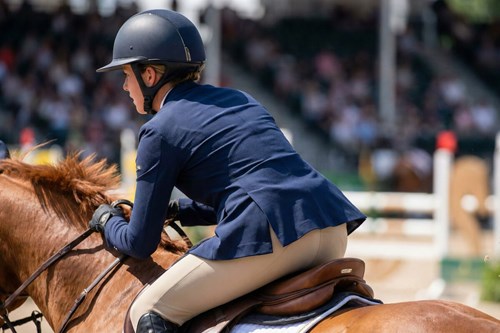
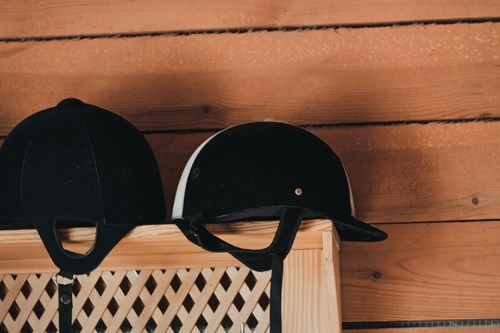
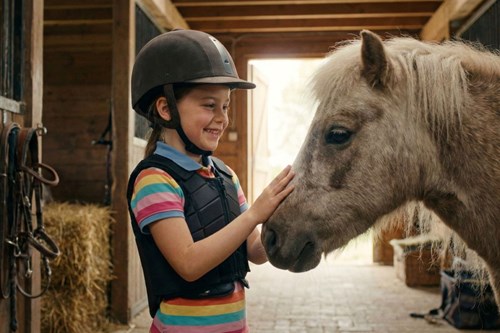
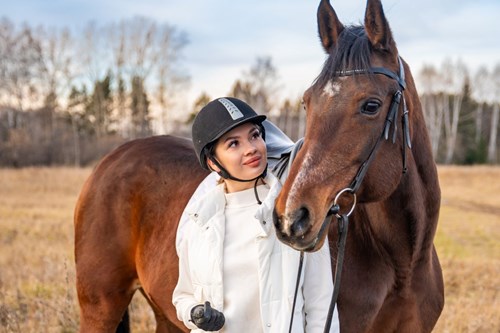
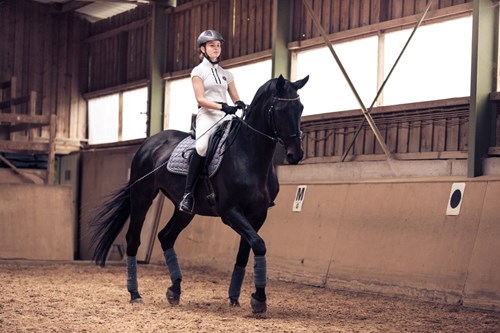
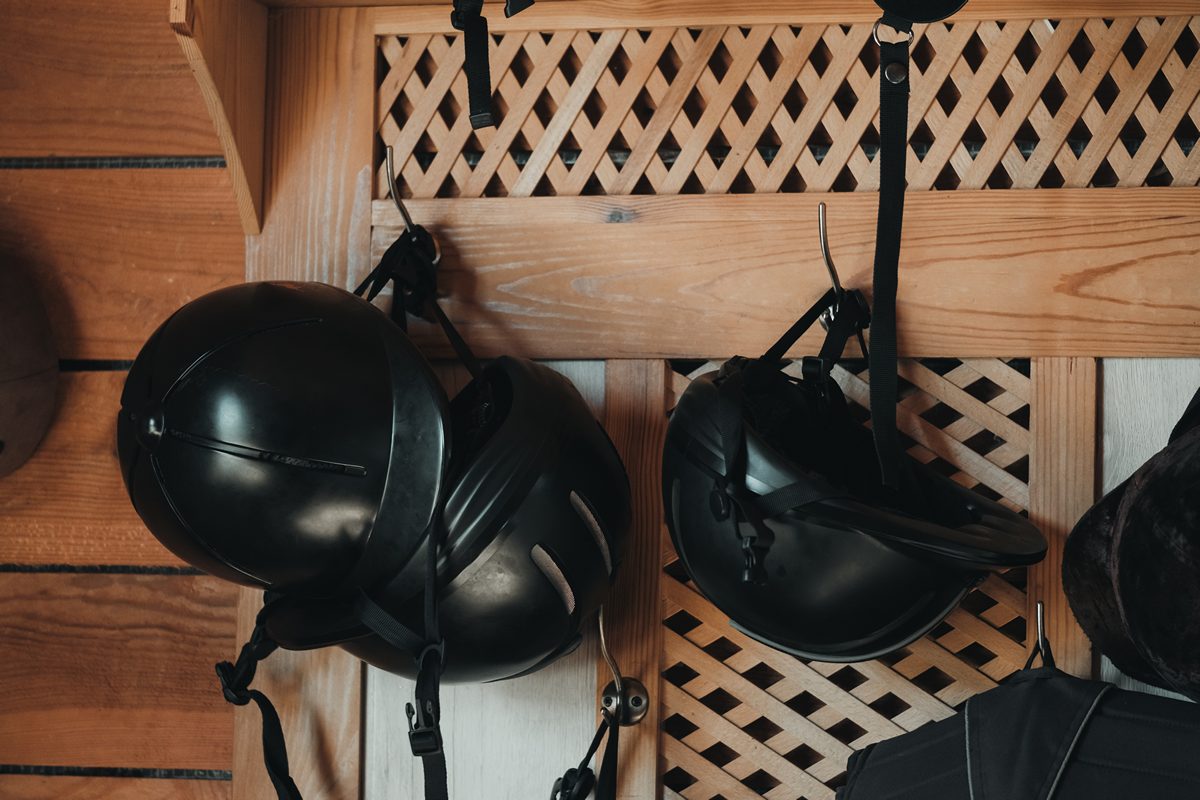
A riding helmet must be at the top of your equipment list. Bike or skate helmets are not suitable for this sport. Equestrian helmets are designed specifically for falls from heights and impacts on hard surfaces. The helmet should fully cover the back of your head (base of the skull).
Key criteria for choosing the right helmet:
- Safety Certification: Look for labels indicating current standards like VG1, ASTM, or PAS015.
- Three-Point Harness: The strap system must secure the helmet by passing under the chin and around the ears.
- Perfect Fit: The helmet should not squeeze your head but shouldn't move either. When you tip your head forward, it shouldn't fall off.
Expert Tip (Helmet Lifespan): Even if your helmet never suffers an impact, it should be replaced 5 years after the manufacture date. UV rays and sweat degrade the protective materials over time. If you have a hard fall, replace the helmet immediately, even if it looks fine outside. The internal foam compresses upon impact and loses its function.
2. Riding Boots: Stirrup Safety
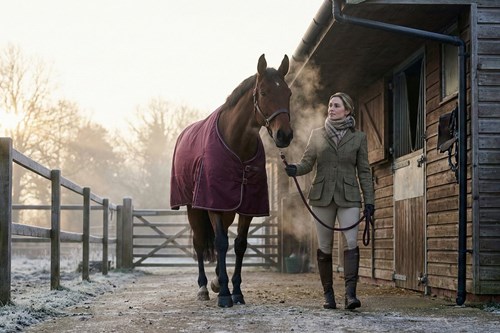
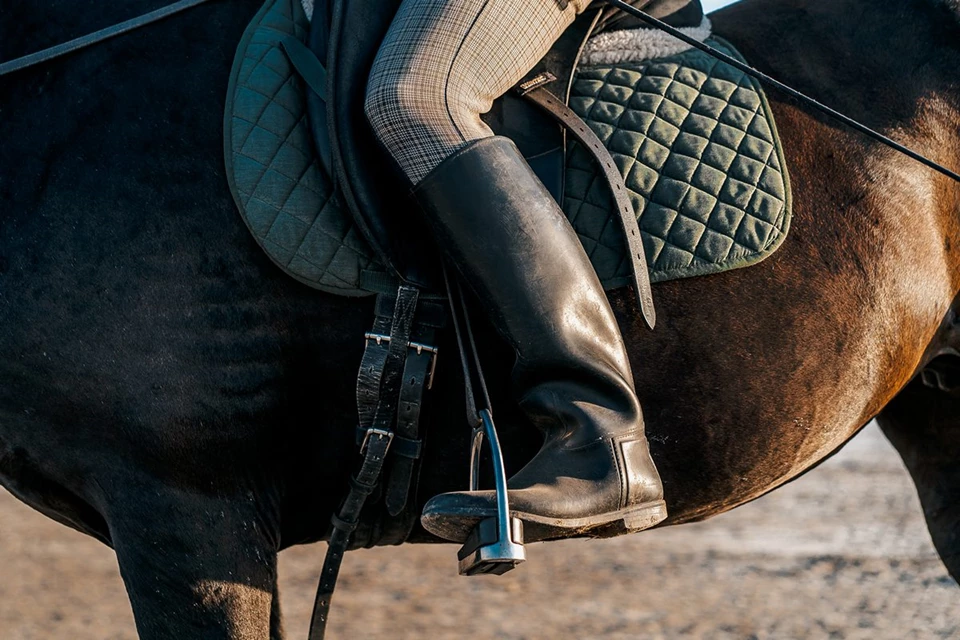
Footwear choice is the foundation of riding safety. The most important feature of riding boots is the heel structure. A heel of about 2-3 cm prevents the foot from slipping through the stirrup. Flat sneakers carry this risk. If the foot slips through, the rider can be dragged alongside the horse during a fall.
You have two options for starting:
- Tall Boots (Leather/Synthetic): Cover the entire leg and provide a professional look.
- Short Boots (Jodhpur/Paddock) & Half Chaps: More economical and easier to put on.
Good to Know (Material Choice): You don't have to buy leather boots when you start. Rubber or PVC boots are great alternatives for beginners. They are waterproof, easy to maintain, and affordable. Cleaning mud takes just seconds. You can upgrade to leather models as you advance.
3. Safety Vest (Body Protector)
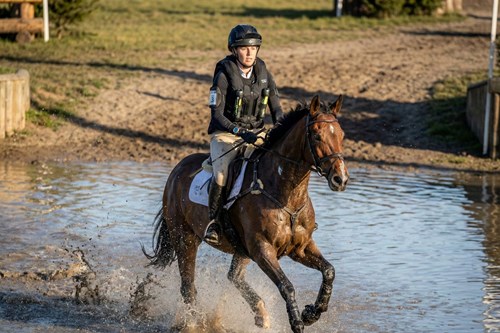
A safety vest is a critical piece, especially for children and beginners learning to jump. The vest protects the spine, ribs, and internal organs from impact during a fall. Modern vests are made from special foam panels that mold to body heat. This ensures they don't restrict your movement.
Essential Clothing for Comfort and Performance
Once safety is secured, focus on comfort. Clothing that improves your posture and communication on the horse speeds up the learning process.
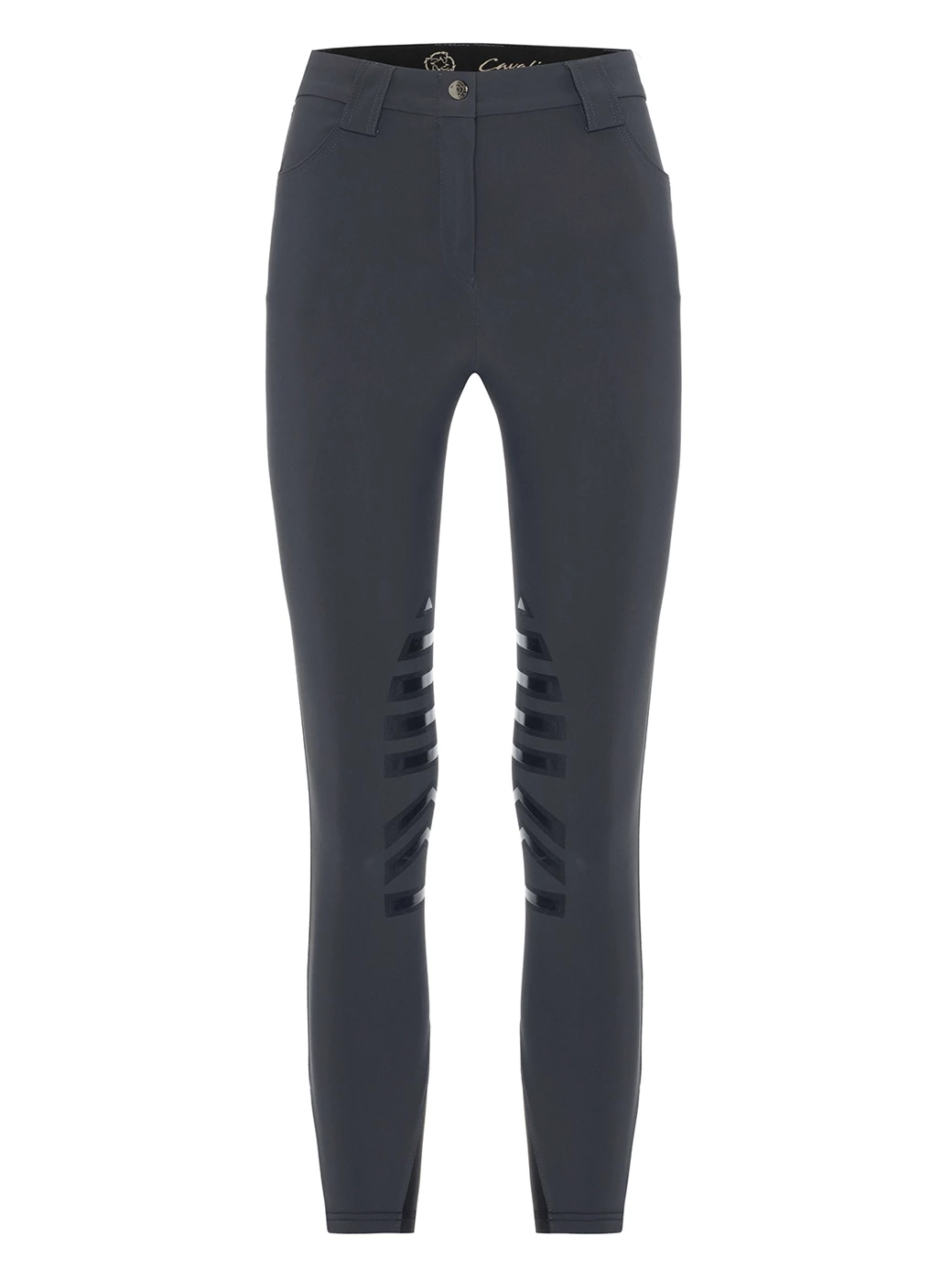
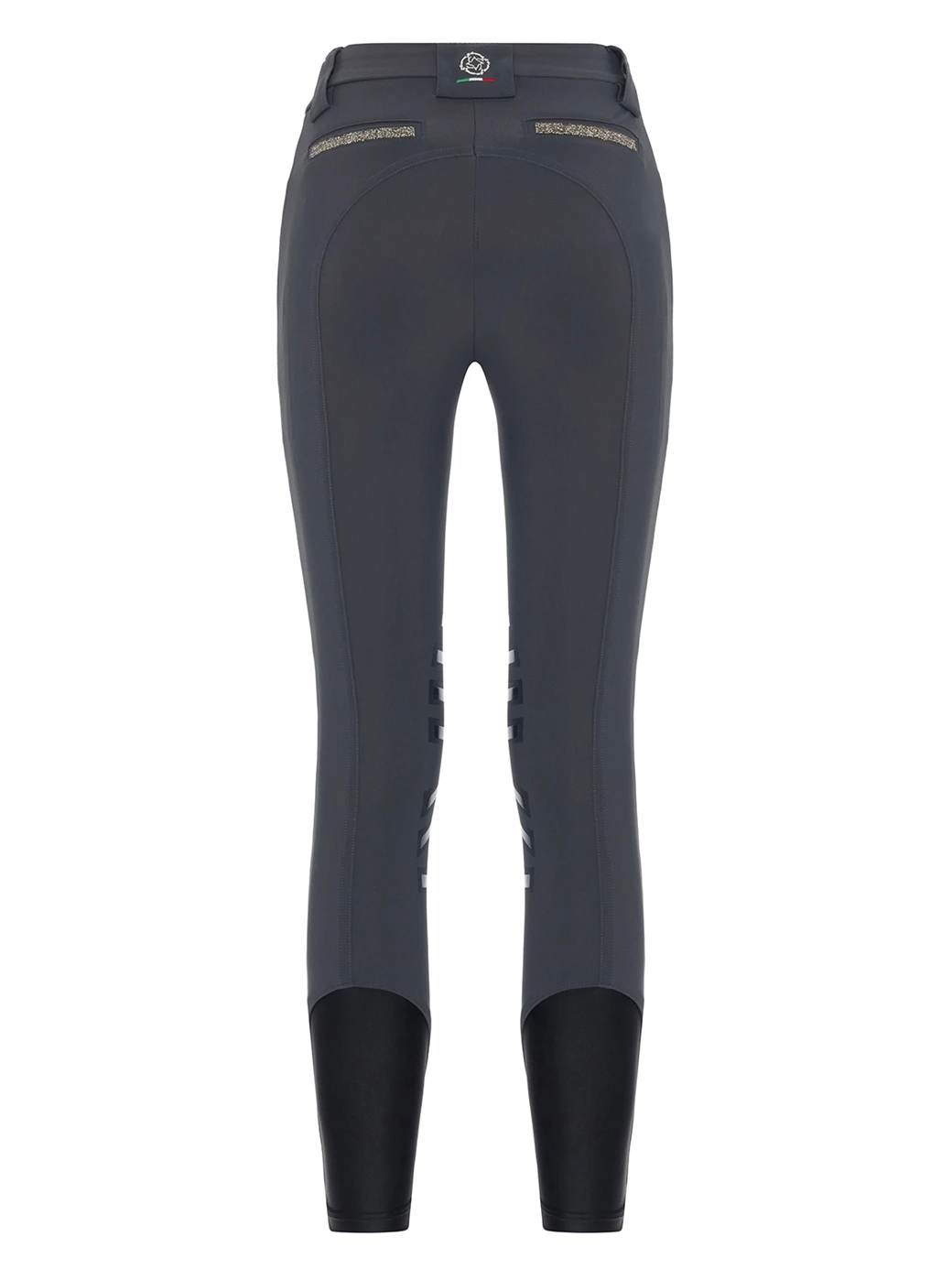
Riding Breeches
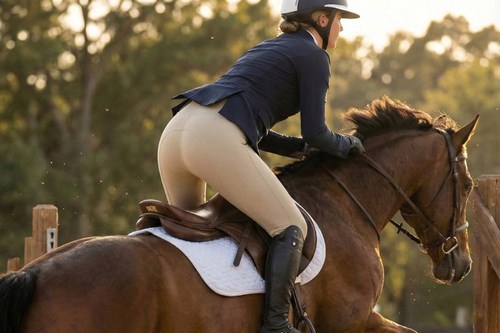
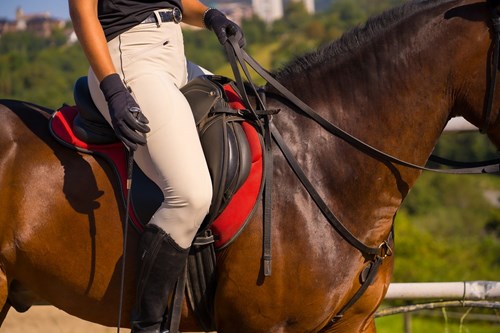
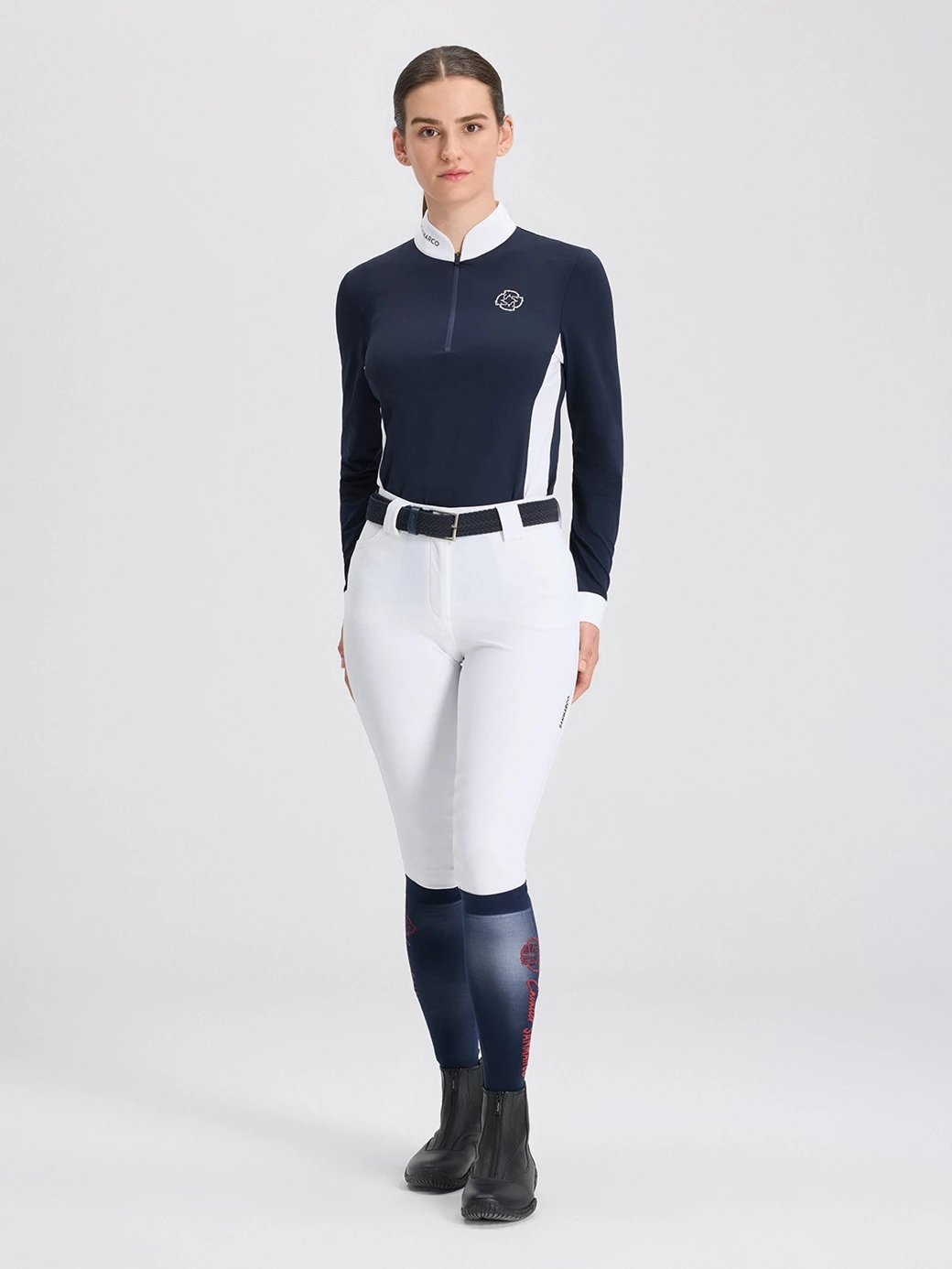
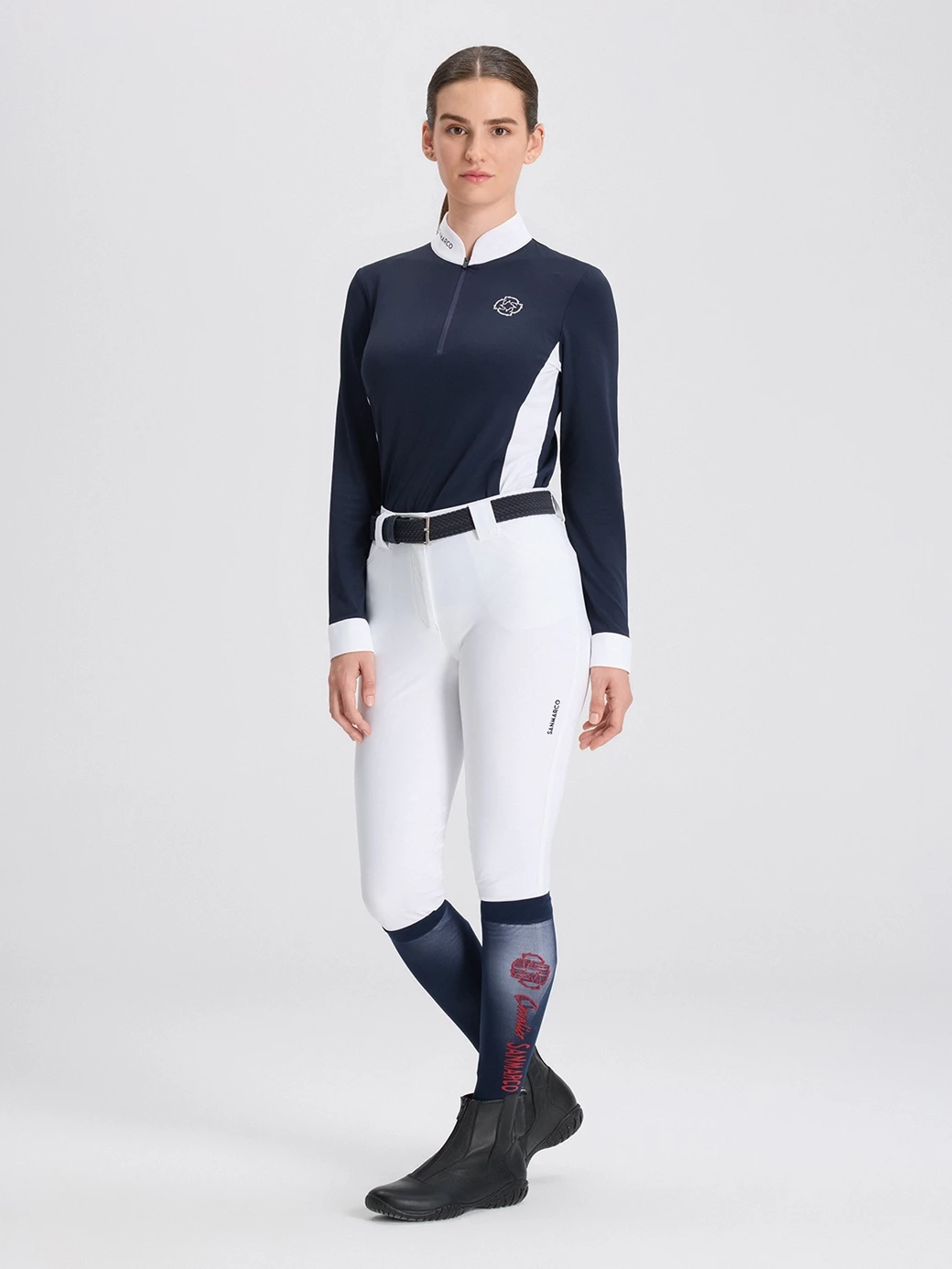
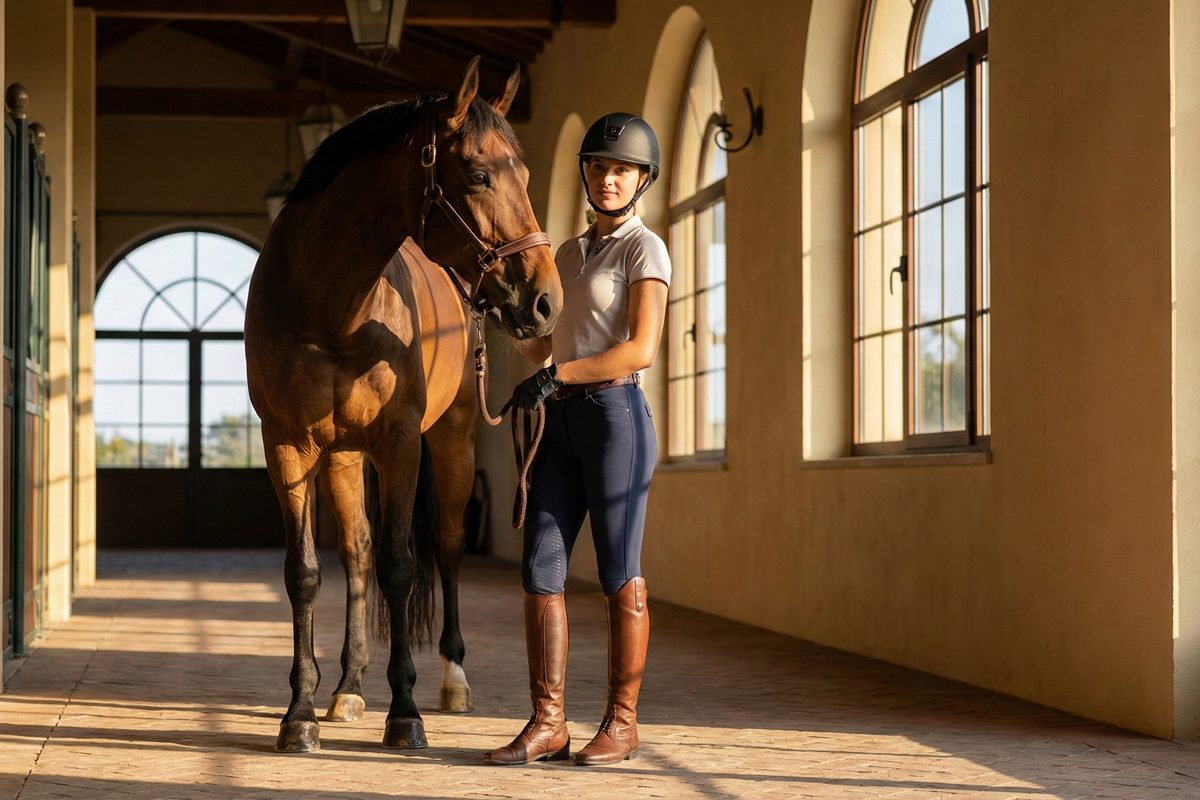
The inner seams of jeans cause severe sores and chafing on the inner legs. Also, denim isn't flexible, making it hard to open your leg properly. Riding breeches solve these issues with their seamless inner design and stretchy fabric.
The "Grip" system is decisive in choosing breeches:
- Knee Grip: Silicone patches only on the knees. Ideal for riders who use a light seat.
- Full Seat Grip: Silicone on the entire seat area. It helps you sit deeper and more securely in the saddle. Great for beginners to find balance.
Did You Know? (Color Codes): Colors have meaning in the equestrian world. White and cream breeches are used strictly for competitions. For daily training, dark colors like navy, black, brown, or grey are preferred. These colors hide dirt better and are practical against saddle dye transfer.
Half Chaps and Their Function
If you choose short boots, you must use half chaps. Chaps wrap around the leg from the knee down to the ankle. They prevent the calf from rubbing against the saddle leathers and getting pinched. They also stop your pants from riding up. Properly fitted chaps also help stabilize your lower leg.
Riding Gloves
Reins are made of leather, rubber, or webbed material. Sudden movements by the horse or holding them for long periods can blister your hands. Riding gloves protect your hands while improving your grip. Gloves with non-slip palms allow you to hold the reins securely even with sweaty hands.
Beginner Equipment Checklist
To manage your budget correctly, you need to know the priorities. This table guides your shopping list.
|
Equipment |
Priority |
Function |
Selection Tip |
|
Helmet |
Mandatory |
Prevents head trauma. |
Choose VG1 certified, adjustable models. |
|
Boots |
Mandatory |
Prevents foot trapping in stirrup. |
Must have a heel and non-slip sole. |
|
Breeches |
High |
Prevents chafing, adds grip. |
Look for flexible fabric with silicone grip. |
|
Half Chaps |
High |
Protects the calf (used with short boots). |
Must fit snugly without twisting. |
|
Gloves |
Medium |
Protects hands, aids rein control. |
Try models with wrist velcro closure. |
|
Safety Vest |
Med/High |
Protects the torso from impact. |
Look for Level 3 protection standards. |
How to Care for Your Gear
Extending the life of your equipment is up to you. Leather boots and chaps should be wiped with a damp cloth after every use. Mud and horse sweat dry out leather, causing cracks. Apply leather conditioner regularly to maintain flexibility.
Textile products (breeches, gloves) should be washed according to instructions, avoiding fabric softeners. Softeners damage the breathability of technical fabrics and degrade silicone grips.
Horse riding is one of the most enjoyable sports in the world when done with the right gear. Don't compromise on safety or comfort. Explore the Cavalier San Marco collection to find Italian aesthetics combined with technical excellence, and build your perfect starter kit. Remember, a good rider is responsible for their own safety first.