DESIGNED BY RIDERS, FOR RIDERS


Why Bitless Bridles Are Rising – And When They Actually Make Sense
The Quiet Shift Toward Bitless Riding
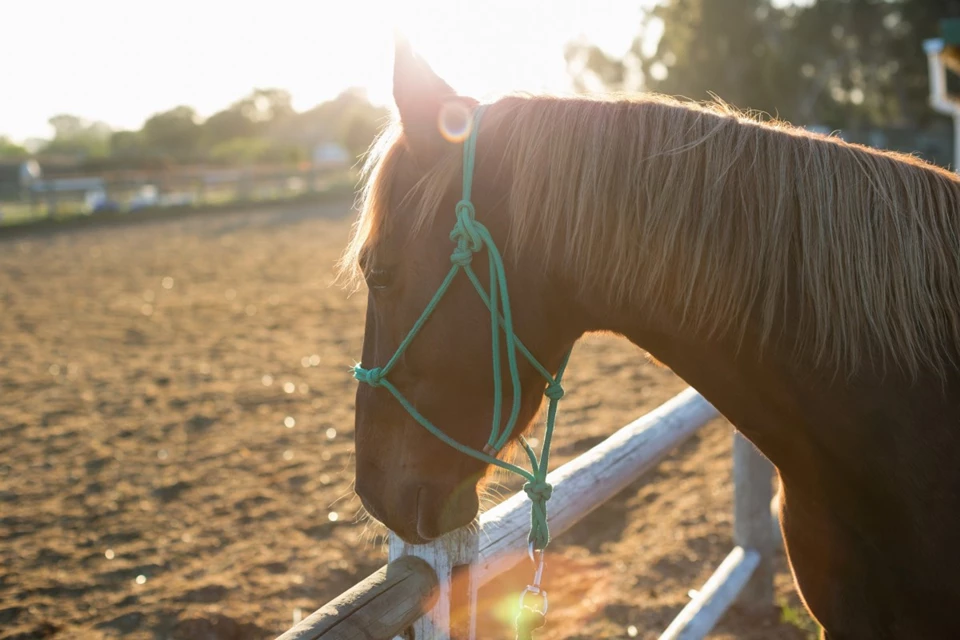
As a matter of fact, when you spend a lot of time near a barn, you will begin to see a very subtle shift in how things happen. A horse approaches with a relaxed demeanor, its jaw unforced, and the reins move with the smoothness of silk under the rider's fingers. The next thing you know — and you probably won't until you really think about it — there is no bit in the horse's mouth. This single little detail seems to elicit the exact same response in nearly every person:
"Should I do bitless too?"
It is not a fad created by marketing. It is a paradigm shift based upon new scientific research, a growing number of informed riders and a new appreciation for small signs of equine comfort. And, yes, those beautiful sunset scenes of the horse trotting free (with no more than a rope halter) probably helped get the ball rolling on bitless riding.
However, just as with any type of bridle, bitless gear is not inherently "gentler". It is not a universal improvement either. Used improperly, a bitless bridle can feel even more forceful than a traditional snaffle.
So let's look at the true reasons why riders are switching to bitless riding, what works and where a bitless bridle can become disastrous.
What "Bitless" Really Means
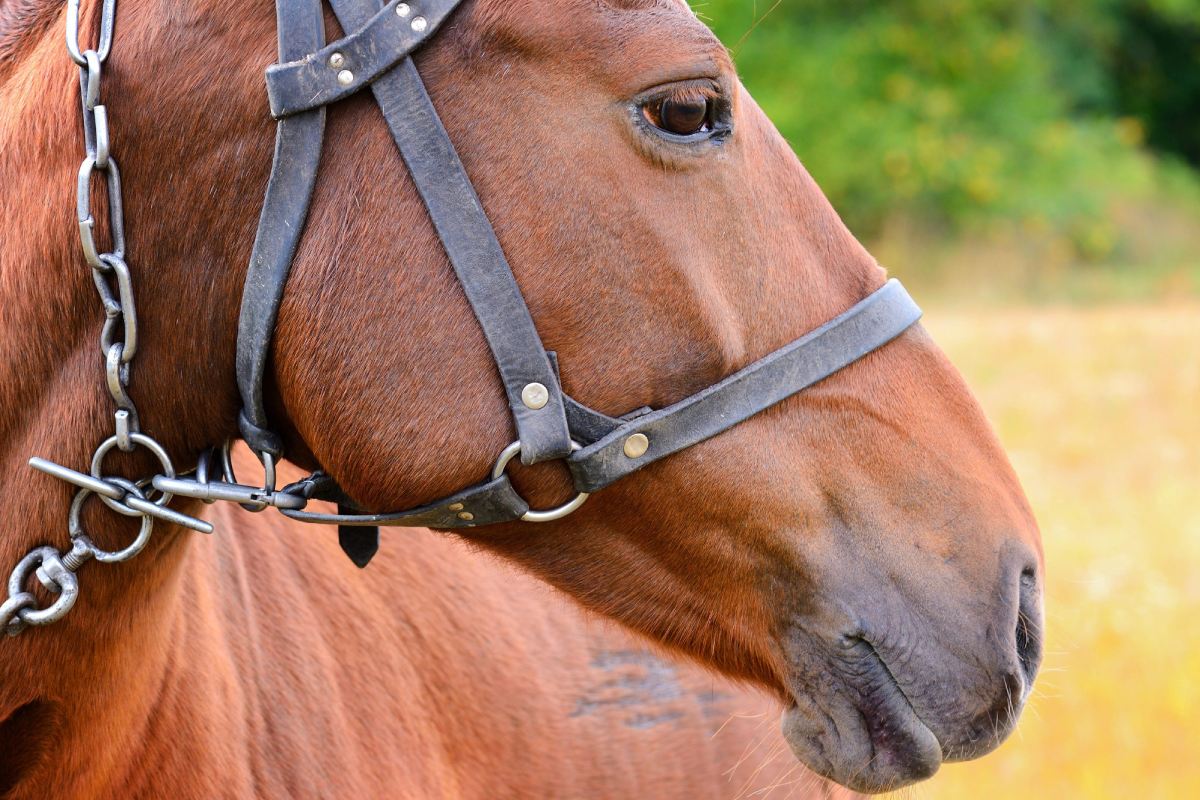
A bitless bridle distributes pressure via the reins in places other than the horse's mouth (in general), typically to the horse's nose, chin groove or poll. However, grouping all bitless bridles together into one large group would be similar to saying all saddles are "just something you sit on."
There are several types of bitless bridles that are extremely simple and soft, such as the classic sidepull. The sidepull essentially says to the horse "left means left", "right means right" without creating confusion about leverage. There are also mechanical hackamores that can create incredible amounts of pressure to the horse's nose and poll. When misused, however, a hackamore can feel sharper than any bit. Crossover bridles distribute pressure around the horse's head in an X-shape providing a more encircling or "hug" feeling to the horse, but tend to provide slightly slower responses than a sidepull. Last but not least, we have the bosal. The bosal is a gentle, refined, elegant bridle that is relatively difficult to misuse as a fine violin.
To sum it up, "bitless" represents a range from easy-going and permissive to precise and strong. It is a spectrum, not a character trait.
Why Bitless Bridles Are Gaining Popularity – Why People Are Switching
1 - Riders now care more about having a relaxed horse mouth
All major brands – Kentucky, Kramer, GS Equestrian – place emphasis on jaw relaxation, pressure points and the horse's ability to carry the bridle lightly and quietly. About five or ten years ago, you rarely ever saw these concepts discussed in mainstream equestrian publications. Today riders are concerned about issues like lip pinch, dry mouth due to tension in the tongue muscle, and minor scarring in the horse's mouth from previous use of a bit.
Consequently, when riders observe a change in their horse's behavior (i.e., a horse can express itself without a metal piece inside the horse's mouth) the inevitable follow-up questions includes:
"If my horse can communicate without a metal piece in the mouth, why not try it?"
2 - Many horses suffer from mouth pain; riders underestimate this problem
Veterinarians have been aware of this for quite a while. Irregular wolf teeth, scars from previous mouth injuries, lacerations from sharp edge of a previous bit, old bruising – none of this shows up unless someone takes the time to check thoroughly. A horse that has a stiff tongue or tight jaw may not be "dodging contact"; it may simply be in pain.
Most often, the pressure in a horse's mouth is relieved immediately by using a bitless bridle.
3 - Young horses receive clearer, simpler signals
Trainers tend to favor sidepulls for green horses since the communication is virtually childlike in terms of simplicity. When you pull the left rein, the horse feels the left cue. When you pull the right rein, it feels the right cue. There is no twisting motion of the mouth, no turning of the mouthpiece, nor confusing pressure on the tongue.
While people tend to romanticize the idea of starting a horse in a "natural state," it is generally agreed that a horse receives a smoother introduction to the cues of riding with a simpler bridle.
4 - Bitless riding causes and helps to expose the rider's hands
A bit can soften or mask a rider's hard hands. A bitless bridle cannot.
If the rider leans forward or stiffens, the horse will react in kind.
If the rider lifts the horse's legs unevenly, the horse will let him/her know.
This immediate feedback can teach the rider to ride with softer hands than he/she was previously able to.
Many riders report that their hands became significantly more accurate without them even realizing it simply because the bitless bridle did not allow them to continue riding with their former bad habits.
5 - Visuals from social media and a desire for minimalist riding
Let's face it: those visually-appealing, slow-motion videos of riders trotting bareback over open fields while riding a bitless bridle... They influence riders. The visual appearance of calmness and trust are part of those videos. Riders want to experience that feeling; whether it is conscious or subconscious.
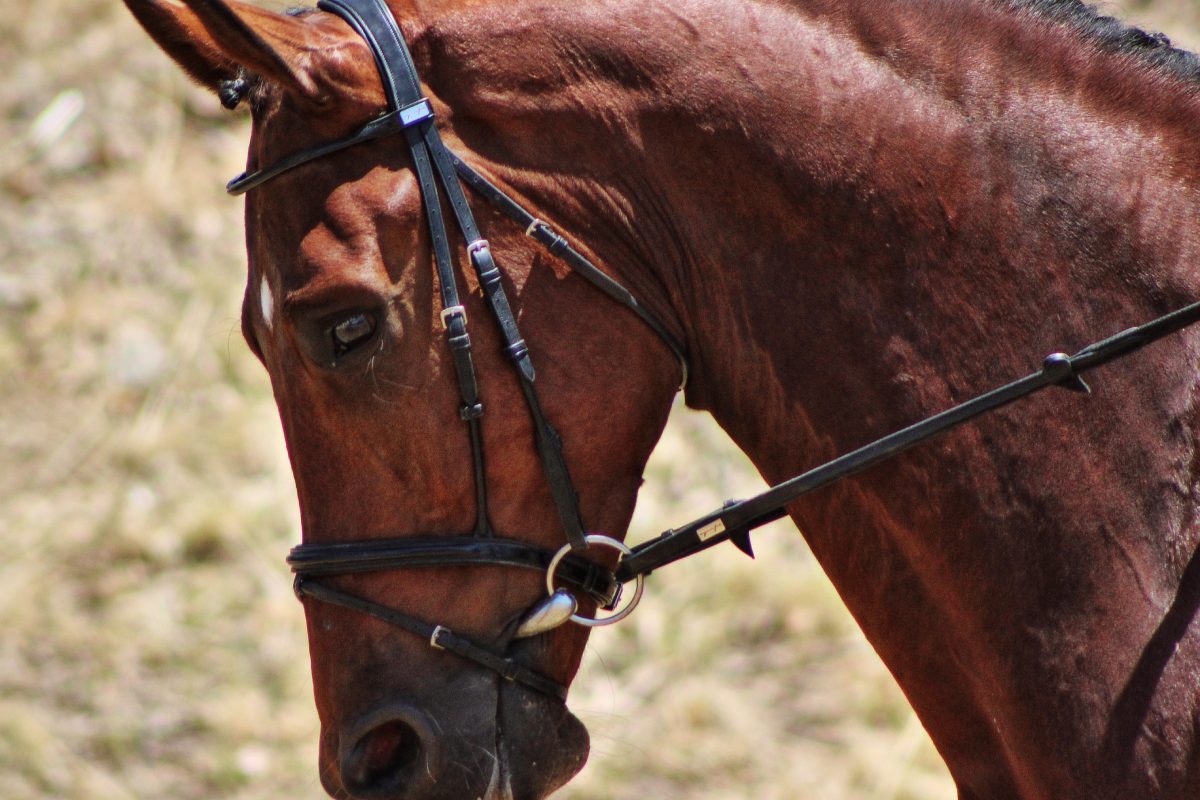
When Bitless Bridles Are Useful
Oral Discomfort Horses
If a horse has sores on the tongue, scarring from previous mouth injuries, uneven dental surfaces or simply doesn't like the feeling of a metal object in the mouth, bitless riding can be as liberating as taking a weight off the horse's chest. Some horses drop their heads, exhale slowly, and appear to be visibly relaxed when the bit is removed.
Young Horses (Early Training)
Using a sidepull or a crossover bridle can help clarify a young horse's introduction to the rein cues. It is not about being "natural", it is more about removing excessive layers of complexity during the young horse's early months of development.
Riders Who Already Have Soft Hands
A bitless bridle can reward a rider who communicates with his horse mainly through the rider's seat and leg.
For these riders, the connection can be even softer, more honest and more rhythmic.
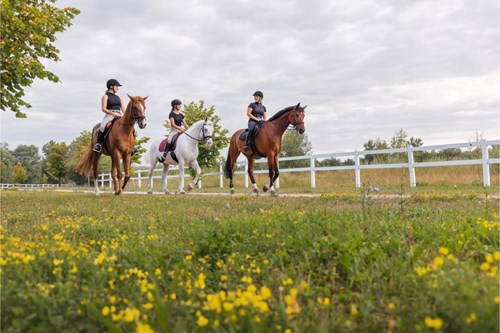
Trail Riding & Endurance Work
A bit can cause a horse's mouth to dry out or make the act of swallowing uncomfortable during long periods of movement. Without the bit, a horse can eat, stretch, breathe and relax more naturally. Some horses seem to display better rhythm and remain calmer during long hacks.
Transitioning / Rehabilitated Horses
Sometimes a horse needs a break from the mouth – whether it be after dental surgery, stress, or while re-training. A bitless bridle provides a gentle break while allowing the horse to still be steered and stopped.
Where Bitless Bridles Fail To Impress
High-Energy Situations Or High-Control Situations
Busy warm-up areas, high-strung horses, and quick stops can put a great deal of pressure on poorly-designed bitless systems.
A mechanical hackamore can handle it, but a soft sidepull will not.
Riders With Unstable Hands
Since a bitless bridle magnifies every mistake made by the rider, it can feel more stressful to the horse than a bit if the rider consistently leans or pulls unevenly.
Advanced Dressage / Precision Tasks
Although vertical balance, collection, and precise half-halts can be taught with a bitless bridle, many horses struggle to maintain high levels of precision without the support of a well-fitting bit.
Nose-Sensitive / Poll Sensitive Horses
Frequently Asked Questions – Since Riders Always Want to Know These
Does a bitless bridle work better for every horse?
No. Some horses are used to receiving mouth cues. Other horses are used to receiving nose cues. Only the horse knows the best way.
Will a horse that dislikes the bit always go better with a bitless bridle?
If the issue is physical discomfort in the horse's mouth, then yes. If the issue is behavioral, then the outcome varies.
Can hackamores be used harshly?
Yes, very harshly in the wrong hands. In the correct hands, they can be very gentle.
Can I compete in dressage with a bitless bridle?
Training is allowed. Most official competitions still require the use of a bridle with a bit.
A Closing Little Thought...
At times you'll see a horse dip its head a slight amount, relax its breathing and blink more slowly the moment you remove the bridle. At that moment, you understand the appeal of riding without a bridle far more clearly than you could with any explanation.
On the other hand, there are horses that feel safer, clearer and more confident with a bridle.
Perhaps the real question is:
"Should I ride without a bridle?"
Or perhaps the real question should be:
"What method of communication allows my horse to express himself most easily today?"