DESIGNED BY RIDERS, FOR RIDERS


Airbag Vest Selection: The Right Model Based on Trigger System, Certification, and Discipline

Equestrianism is a highly dynamic sport that inherently involves risk, where unexpected situations can unfold in mere seconds. While in the past, life safety was entrusted solely to traditional foam-filled body protectors, today it has reached an entirely different dimension with wearable technologies transferred from aviation and motorsports.
In modern equestrianism, purchasing an airbag vest is not just adding a new item to your wardrobe; it is the most critical "safety investment" made for your body, your career, and your future. However, not every vest on the market provides the same standard of protection. An incorrectly chosen, anatomically incompatible, or low-quality model will not only fail to protect you but can even create additional risks during a fall.
Here are the three fundamental criteria you must know and pay attention to when choosing this life-saving technology: Trigger system mechanics, certification standards, and discipline compatibility.
1. Trigger System: The Vital Importance of Milliseconds
The heart of an equestrian airbag vest is its activation mechanism. The time between the initial moment you lose your balance and fall from the horse to the moment you hit the ground averages between 0.2 and 0.5 seconds. For your vest to provide protection, it must be fully inflated and wrapping your body like a shield in a fraction of this time (ideally under 0.1 seconds). There are two main trigger systems on the market:
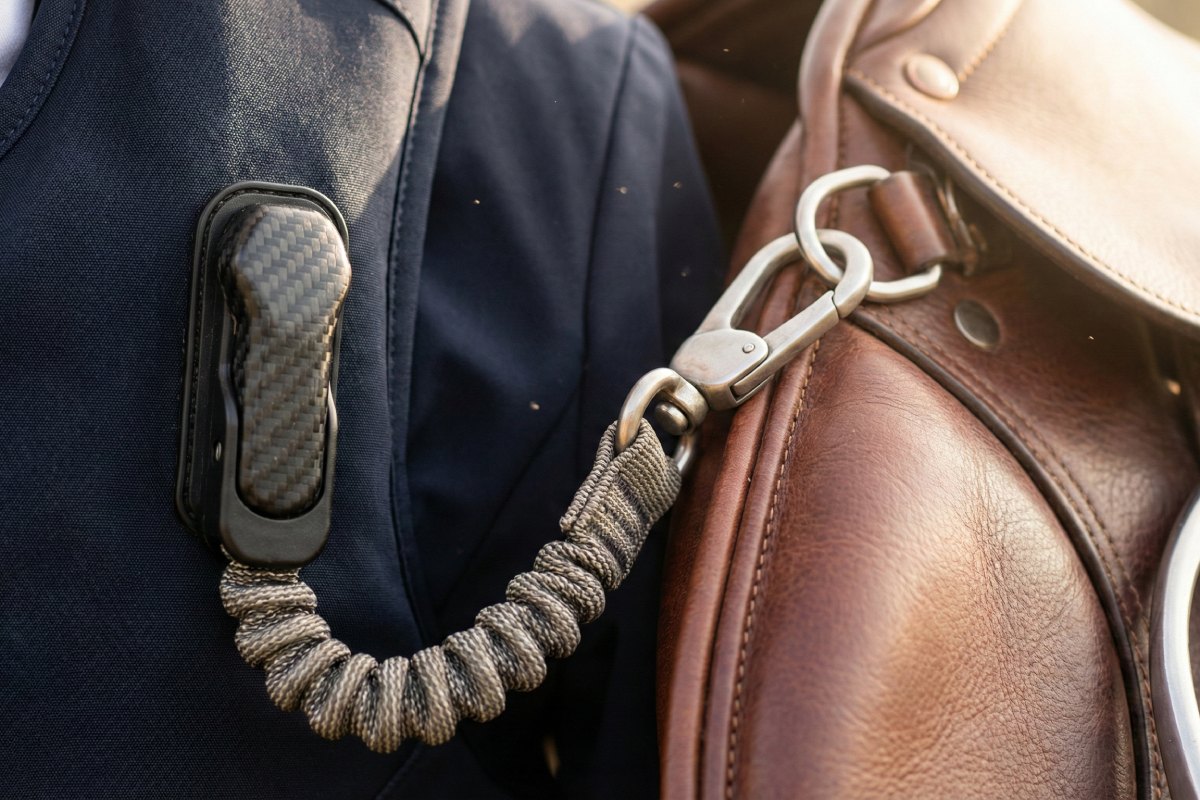
- Mechanical Trigger System: This is currently the most common, longest-lasting, and most reliable system. The vest operates via a highly durable elastic lanyard attached to your saddle. When the rider is thrown from the saddle, the lanyard is tensioned. Once it reaches a specific pull force (usually between 25-35 kg depending on body weight), it pulls the pin in the mechanism. This action punctures the CO2 (carbon dioxide) canister in a fraction of a second, and the vest inflates instantly. The biggest advantage of this system is that it does not require a battery or charging and operates stably in all weather conditions. The only point to remember is that the rider must make it a habit to unclip the lanyard from the saddle before intentionally dismounting.
- Electronic (Sensor) Trigger System: This system uses gyroscopes and accelerometers with algorithms that analyze the movements of the horse and rider hundreds of times per second. When a fall anomaly is detected, it triggers the system and inflates the vest without the need for a mechanical cable. It has the potential to react much faster and does not require a physical connection to the horse. However, these systems must be regularly charged, their software kept up to date, and undergo periodic maintenance against sensor malfunctions.
2. Certification: The Official and Scientific Document of Safety
Not every inflatable vest sold on the market is a safe protector. Using an uncertified or non-standard product creates the biggest danger in the saddle by giving you a false sense of security.
- NF S72-800:2022 Standard: This is the most current European safety standard specifically developed and approved for equestrian airbag vests. If a vest carries this airbag vest certification label, it proves that the product has successfully passed highly rigorous laboratory tests, including inflation speed, impact absorption capacity, neck/spine stabilization, and the fabric's resistance to pressure at the moment of inflation. When buying a vest, you must look for this standard on the inner label.
- Canister (Cartridge) Quality and Compatibility: It is vital that the gas cartridges, which are the driving force of the system, are of the same brand or approved standard as the vest. A cheap or aftermarket CO2 canister can damage the mechanism at the moment of inflation, leak gas due to mismatched threads, or fail to provide the necessary pressure to fully inflate the vest when needed.
3. Equipment Selection by Discipline
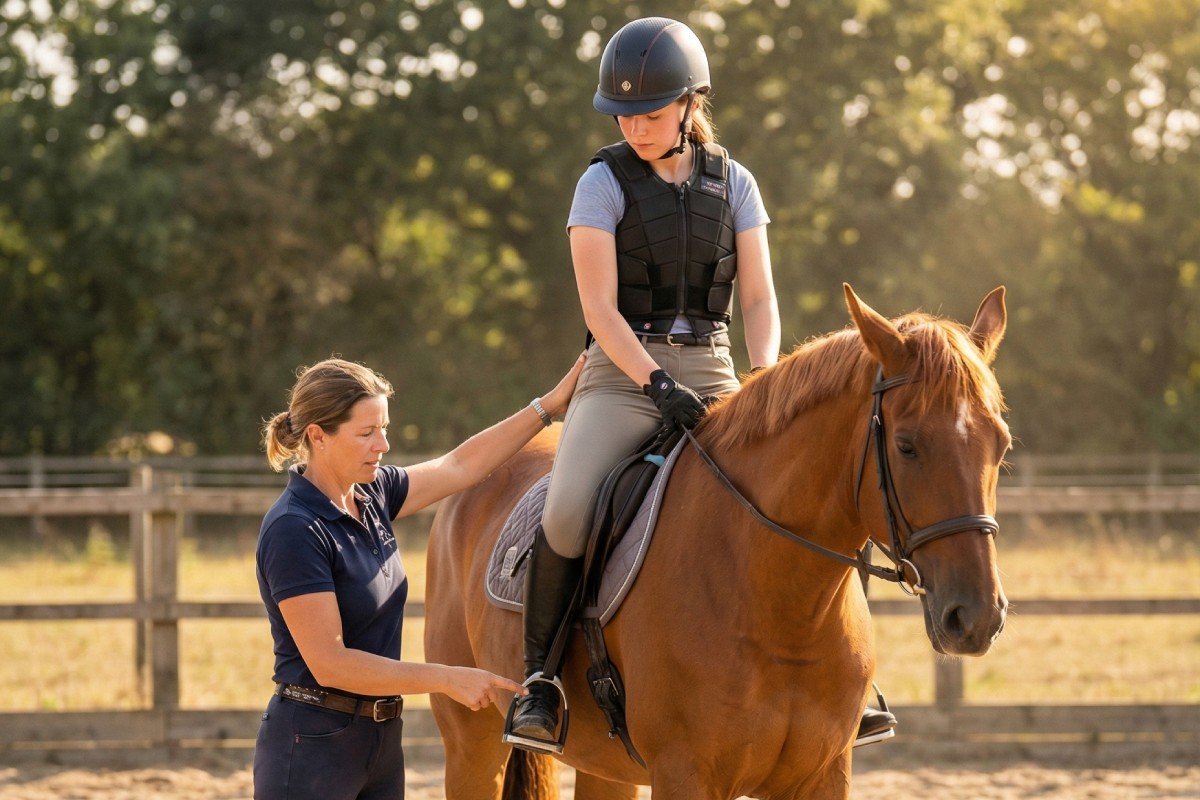
Every branch of equestrianism has its own unique dynamics, biomechanics, and risks. Therefore, choosing equipment based on your discipline ensures that the protection is effective without restricting your movements.
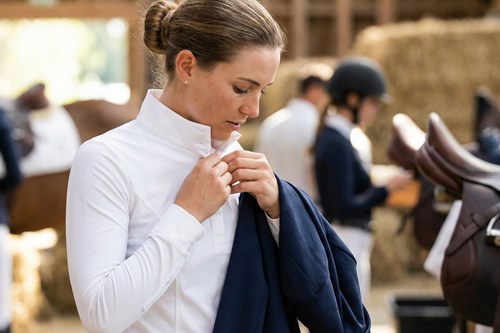
- Show Jumping: In show jumping, freedom of movement in the shoulders, lightness, and aerodynamics are paramount. Show jumpers generally prefer low-profile and flexible airbag vests that can be worn under competition jackets. These models are designed not to bunch up in the abdominal area during the 2-point jumping seat.
- Eventing / Cross-Country: In this extreme discipline involving solid, non-collapsible obstacles (logs, water drops), the severity of falls is much higher. For this reason, airbag vests are not used alone in cross-country; they are typically integrated with or worn over a traditional foam body protector certified to BETA Level 3. The goal here is to simultaneously benefit from the severe impact absorption of the airbag and the rigid protection offered by the foam vest against penetrating objects (horse hooves, broken tree branches, sharp hedges).
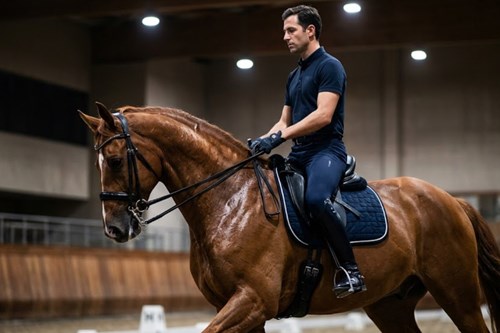
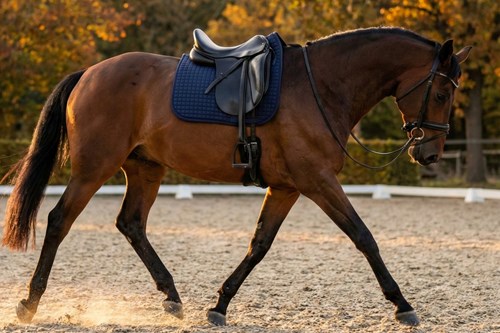
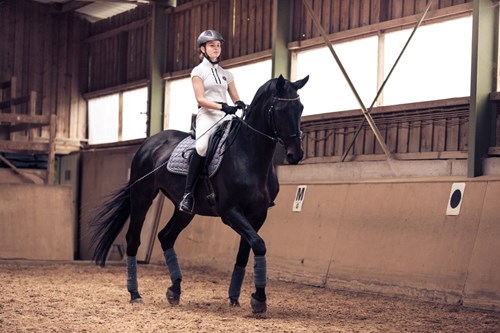
- Dressage: In the dressage discipline, where an elegant silhouette, an upright seat, and invisible aids are critical, models perfectly concealed inside tailcoats or dressage jackets are preferred. These vests have special ergonomic cuts that are unnoticeable from the outside unless inflated, yet do not restrict shoulder and neck movements.
The Hidden Risks of Incorrect Usage
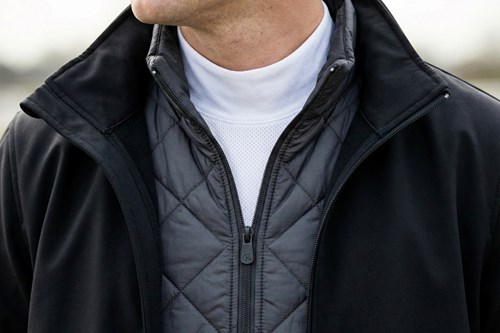
The fundamental operating principle of airbag vests is that the airbags expand "outwards" with high pressure in milliseconds. If you wear your airbag vest under a standard, tight jacket or a stiff coat that does not have a 15-20% stretch allowance (i.e., not airbag-compatible), you are making a fatal mistake.
If the vest cannot find room to expand outwards when triggered, it is forced to direct all the pressure inwards, straight into the rider's rib cage and internal organs. This situation can cause severe internal injuries, rib fractures, and loss of breath—often more serious than the fall itself. Therefore, it is absolutely mandatory that any layer you wear over your vest is tested, technical apparel featuring special elastic panels specifically labeled as "airbag compatible."
Conclusion: Safety is the Foundation of Professionalism
Airbag vests are your most valuable partner and most critical shield in the saddle. When making a selection, one should not act solely on aesthetic concerns or brand awareness. Millisecond trigger speeds, shoulder-neck-spine-tailbone coverage, valid and current certifications, and stretch compatibility with the rest of your apparel must all be taken into consideration.
Remember; safety is not a luxury or an option; it is the only guarantee that you can practice this sport healthily for many years to come.