DESIGNED BY RIDERS, FOR RIDERS


From Summer to Winter Hoof Care: Seasonal Tips
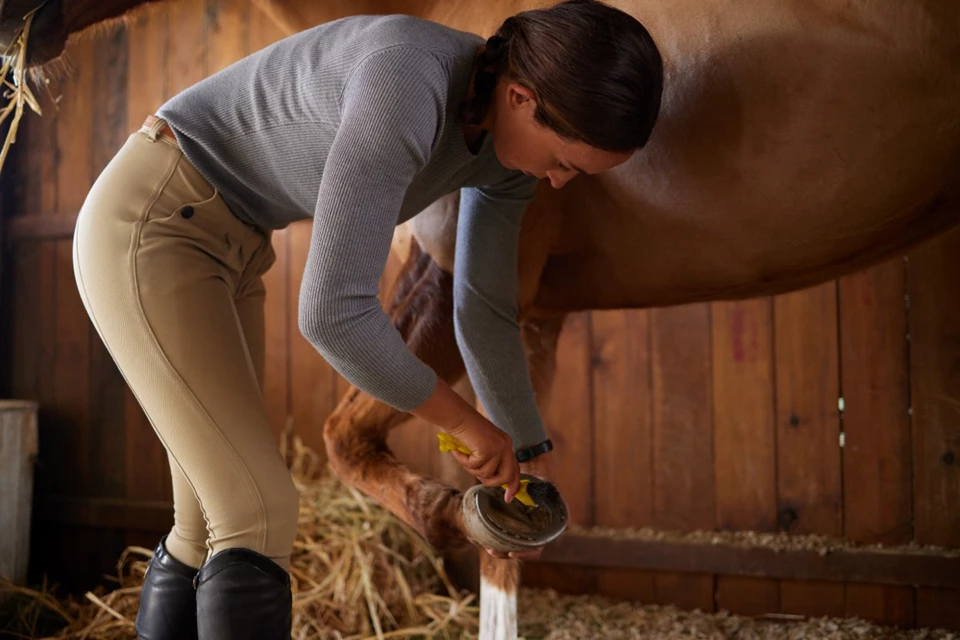
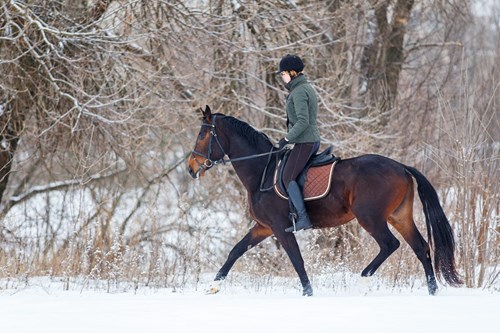
There is a particular sound made by a hoof in the summer — that crisp and confident "tap" that occurs when the hoof strikes dry ground. In contrast, there is the softer and almost hesitant "thud" of the hoof sinking into mud in the winter. Somewhere in-between those two extremes, however, other changes begin to occur. The appearance of tiny cracks, softened walls, strange odors, and the gradual shift of shoes by millimeters, etc., are all very subtle warnings that the seasons are changing and the hooves are responding to those changes well before the horse will exhibit any signs of distress.
This manual combines the best practices of everyday hoof care, the expertise of a farrier, the earliest warning signs, and the most practical adjustments based on the seasons into one natural flow. Not a single thing in here is overly complex — it's the "real stuff" that riders develop a quiet understanding of over many years.
Daily Hoof Checks That Detect Problems Before Your Horse Does
Visual Hoof Check
Just by taking a moment to look at your horse's hooves, you may be able to identify potential problems long before your horse begins to limp.
Look for:
- clinched nails
- hairline cracks
- shoes that are a little bit loose (indicating that they are overdue for replacement)
- branches on shoes that are thinning (indicating that the shoe is due for replacement)
- stones and gravel stuck between the shoe and the sole
- cuts or bruising around the coronary band
- swelling, heat, or abnormalities in the shape of the hoof
It takes a little longer on rainy days, but be patient and take your time. Every second counts!
Hands-On Hoof Check
Your hands notice differences that your eyes don't.
Run your fingers along the hoof wall, heel bulbs, and around the pastern. Gently press on the coronary band area. If your horse winces or hesitates, it could indicate that something is going on in that area — maybe tenderness, strain, early abscess formation, or simply hoof fatigue from hard footing.
As you become accustomed to touching your horse's hooves each day, you'll develop a "feel" for what is "normal," and therefore be able to detect changes immediately.
Smell Check
It seems weird to non-horse folks, but farriers do it all the time.
A healthy hoof doesn't have a distinct odor.
An unhealthy hoof has a sour or unpleasant odor. This type of odor typically indicates the presence of thrush during the following times:
- rainy fall months
- deep winter mud
- manure build-up in turn-out pens
Identifying the smell of thrush early on will help prevent the situation from getting worse.
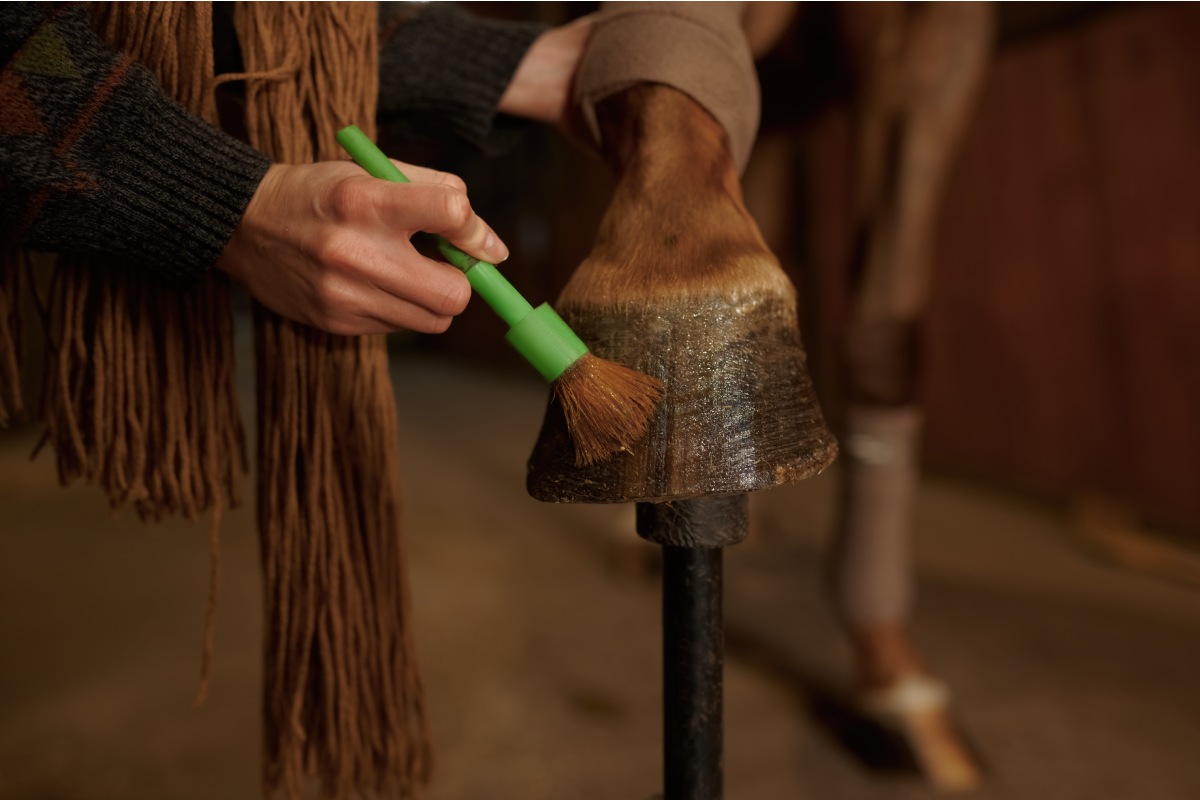
Hoof Cleaning and Daily Maintenance
Cleanliness is important and plays a larger role than most horse owners are aware of.
Here is the basic process:
- Remove any dirt/debris from the hoof.
- Rinse the hoof as needed.
- Allow the hoof to dry completely.
- Apply hoof oil or conditioner only after the hoof has dried completely.
If you apply hoof oil to a damp hoof, you will essentially be trapping moisture in the hoof — which is essentially inviting hoof rot.
How the season affects this:
- Summer: hooves dry rapidly and become brittle — applying oil to the hooves retains flexibility.
- Winter: hooves remain moist — lightly apply oil to the hooves and less frequently.
- Fall: alternating periods of wet and dry conditions lead to cracking — clean the hooves more frequently.
There isn't a set rule — rather, it is a guideline based on the changing weather.
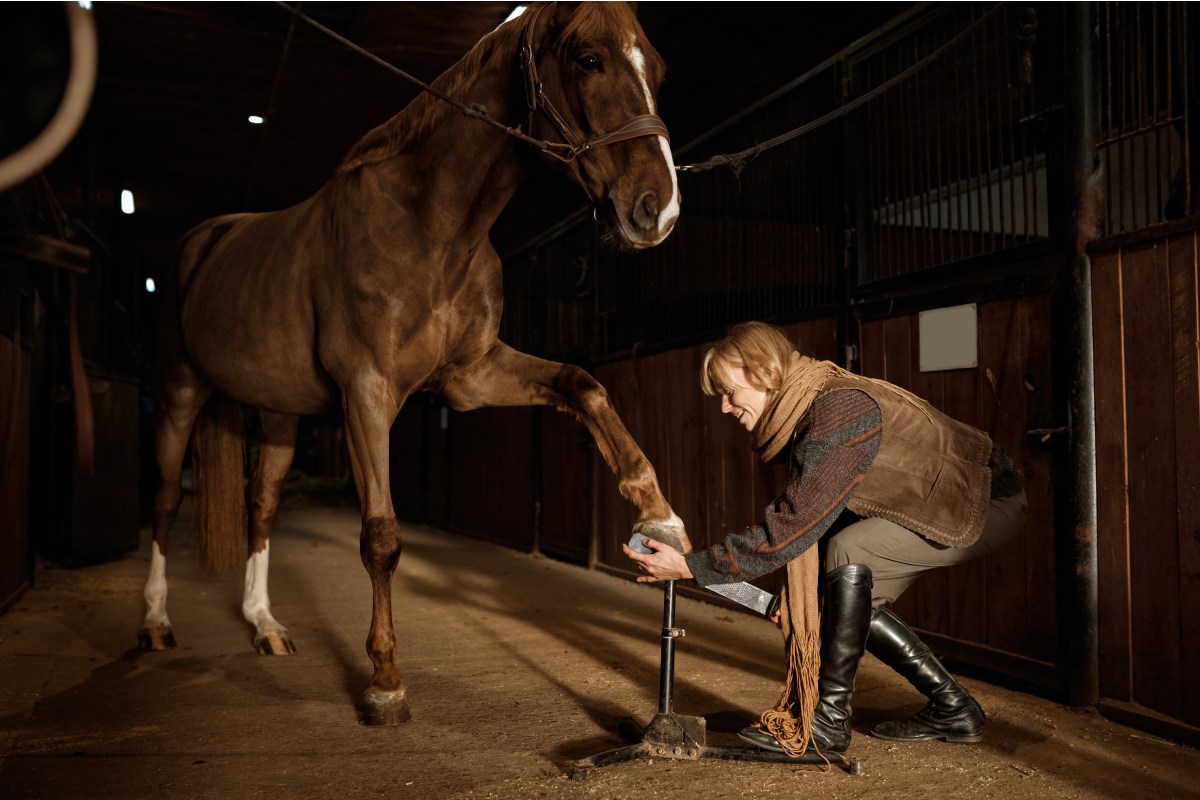
How Hooves Respond To Each Season
Summer
Dry, hot ground increases the strength of the hoof, while reducing its flexibility.
Growth is rapid, cracks form more readily, and sole sensitivity can increase.
Fall
Water returns to the ground, softening the hoof wall, allowing debris to become trapped, and small cracks can form upon drying.
One of the most difficult seasons to maintain consistency.
Winter
Growth slows down, water absorption by the hoof increases, and thrush becomes a regular visitor.
Shoes tend to come loose more easily when the hoof walls soften.
Spring
Ground conditions change hourly — wet in the mornings and dry in the afternoons — resulting in chips, flares, and uneven wear.
Understanding these changes allows you to make the necessary adjustments to provide the best possible care for your horse without needing to overthink things.
Farrier Schedule: The Only Rule That Can Never Be Drifted
In general, most horses do well on a 5-7 week farrier schedule. Some require a 4-week schedule and others can go as long as 8 weeks. However, allowing the interval between farrier appointments to grow wider than the recommended period results in:
- long toes
- collapsed heels
- twisted shoes
- distortions of the hoof walls
Eventually, pressure points develop that result in lameness
No amount of daily hoof maintenance can compensate for an infrequent farrier visit. Consistency in the length of the interval is the foundation of maintaining hoof health throughout the year.
Frequently Asked Questions
Why do hooves become so soft in the winter?
Cold temperatures combined with constant moisture allow the hoof to absorb more water than in warmer, drier climates.
How often should I clean my horse's hooves?
At least once per day. If your horse is turned out in a muddy pen, twice daily is recommended.
Is hoof oil absolutely necessary?
Yes, but only on dry hooves and in moderation based on the season.
Do tiny cracks indicate that my horse is in trouble?
No. Small surface cracks are quite common. Cracks that are deep or recurring indicate that your farrier needs to evaluate the balance and angles of your horse's feet.
Why does my horse develop thrush every winter?
Thriving conditions for bacteria include excess moisture, mud, manure, and softened walls.
A Final Thought
If you observe closely, you will see that nearly all long-term issues related to lameness or unsoundness will send the first signals through the hooves. The key is not being perfect in your hoof care — it is recognizing the small things that happen early, even the weird things like smelling a hoof or spending an additional 10 seconds removing mud from a hoof. It is amazing how these seemingly insignificant behaviors can determine the entire season for your horse.